

Flipping watches can be a pretty lucrative business, but don’t dive in without knowing your facts first.
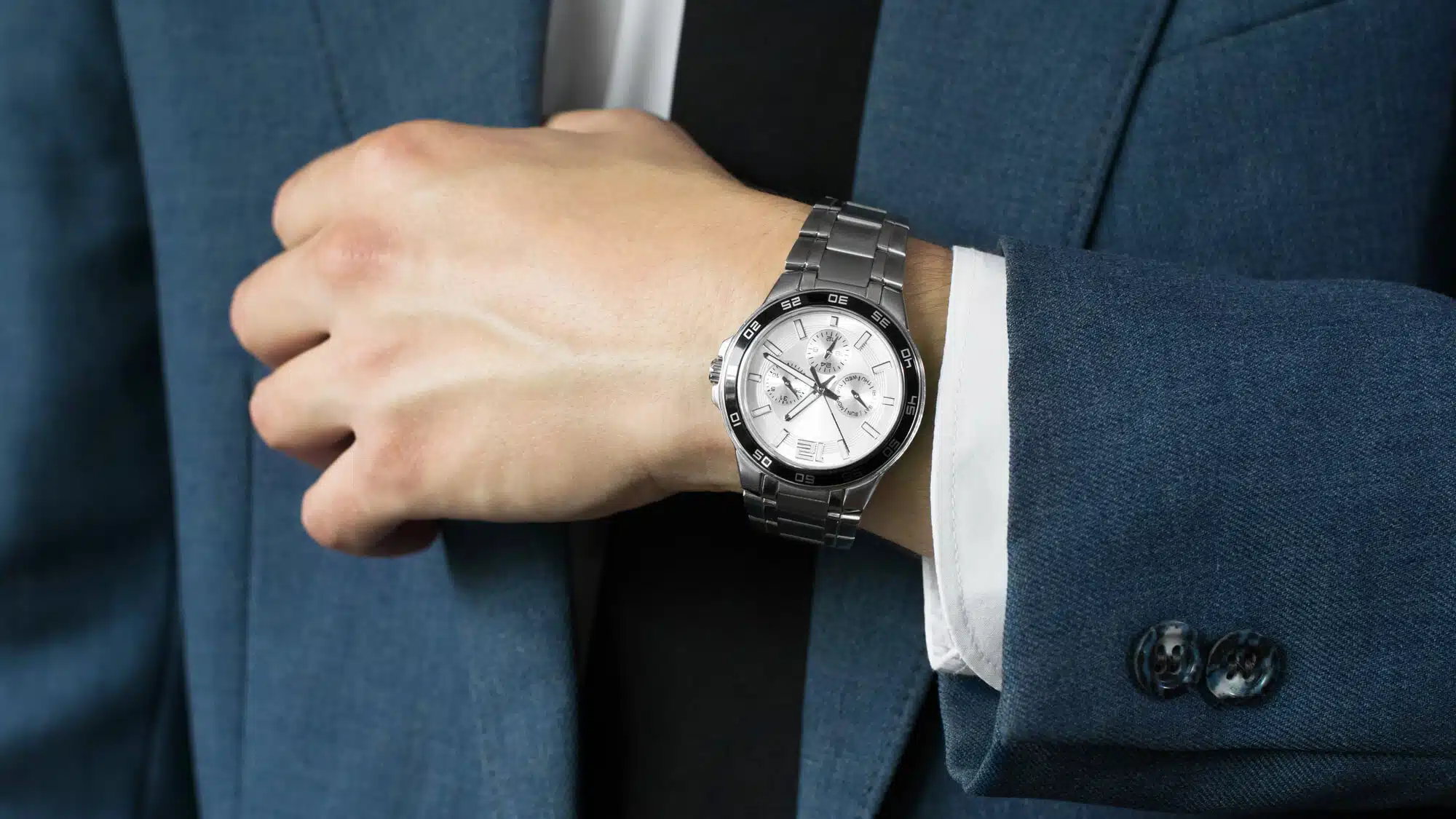
Want to take your chance at grabbing a brand-new steel Rolex sports watch from an authorized dealer (AD)? Give it a go but the catch is that you’ll have to wait for some time. You can also try the grey market. But before you do, brace yourself for you may need to remortgage your home first! These watches aren’t cheap at all. There is a mismatch in supply and demand in the current watch market. It’s one reason for the increase in flipping watches over recent years.
The same is true for the grey market. They both go hand in hand. Even retailers like Ashford and Jomashop can raise the price of a watch if they wish to. It all comes down to whether a watch is in high demand and how much is it worth if it is available.
We all know that iconic, highly collectible watches can sell for extortionate amounts on the second-hand market. The smaller the production or the lengthier the wait – the more desirable the watches become. Both factors feed into this demand.
It makes the thought of selling a new watch and making a significant profit from it very appealing. This is what we call watch flipping. But you should give this practice some thought before you jump in. You can’t afford to make a rookie mistake, as you can lose a lot of money from it. Making huge profits from watches also has repercussions.
Want to know more? Read on.
Table of Contents
What Is the Practice of Flipping Watches?
Simply put, it’s the practice of selling watches to make money. Flipping watches is a hobby for some watch aficionados and a business for others. Once you know what you’re doing, it can be quite the profitable little sideline. Of course, manufacturers are partly to blame for the practice of watch flipping. When they know purists eagerly await a special release, they sometimes limit production. What does this do? Well, it creates many impatient watch collectors. Those determined to get their hands on a particular watch will be willing to pay sky high prices and even seek alternative ways to source one.
If a collector has their name on the “VIP” list with a particular authorized dealer, they’ve worked hard to get there. Retailers don’t just put anyone on their list. Many stockists won’t even contemplate the thought unless the said customer has spent a lot of money with them. If they’re on that list, he may stand a chance of jumping the queue.
If you’re not on such a list, you have other options: pre-owned or grey-market watches. In that case, you may be the recipient of a watch flipper. Flipped watches serve both the seller and the buyer. The collector, genuinely desperate for the watch, pays far more than the initial retail price. Still, it’s his dream watch, so he’s happy. So is the seller, who is now looking to purchase his next investment and do it all over again.
I shall try not to paint the act of flipping watches in too bad a light here. As with everything, there are pros and cons to consider. Still, you should consider some of the facts before starting this hobby (or business). As the saying goes, not all that glitters is gold.
Is Watch Flipping Profitable?

Buying and selling coveted or hard-to-find watches is a lucrative side business. After acquiring some experience, it can become more intuitive, a little like an art form or craft.
If you want to start selling watches for profit, you’ll have to focus your attention on specific brands and features. Some names that do well are Rolex, Cartier, Patek Philippe, and Audemars Piguet. Mechanical watches are also a preferred option over quartz. Places like eBay, Amazon, and Chrono24 are useful platforms in this regard. They can help you understand what price specific models are selling at.
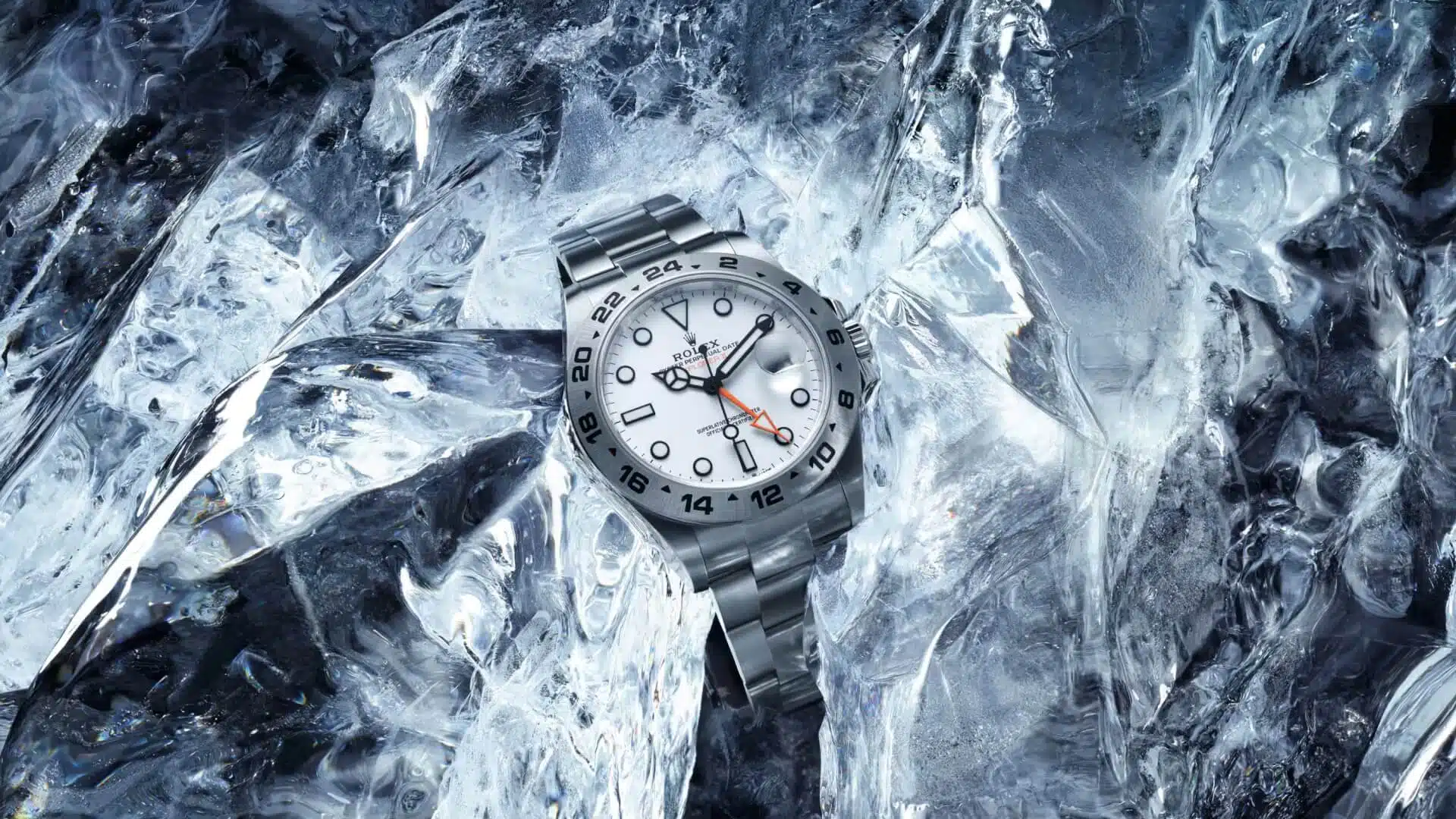
A watch in mint condition, freshly purchased from a retailer, and not worn can fetch high prices. Take, for example, the Rolex GMT-Master II “Pepsi,” launched in 2018. After its release, this covetable design went on the market for $30.000. That’s a whole $10k more than its initial $20,000 retail price.
How Much Money Can You Expect To Make?
If you’re wondering how much money you can make, the answer is simple: It varies. There are several factors impacting how much potential this business has, primarily supply and demand. While it wise to know where to invest your money, many collectors begin small and work their way up the horological ladder. It’s one sure-fire and quick way of getting your hands on a grail watch of your own.
You might think you need a ton of knowledge and money to pursue this hobby, but that’s not necessarily the case. A little bit of research goes a long way.
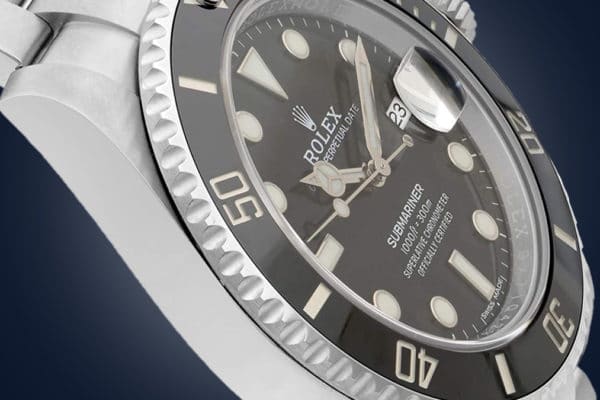
For example, the Rolex Submariner has a 3-month- to-2-year waiting list from an AD. The market premium for the “Starbucks” iteration (a larger successor to the “Kermit”) is 36% above the retail price. The steel Daytona with the panda dial has around an 8-year waiting list! If you get your hands on one of these bad boys, you could sell it for a 132% profit! The Rolex GMT-Master II GRNR and “Batman” models have a 90% and 59% market premium above retail price, respectively.
As you can see from these examples, there is money in buying and selling watches. Buying a watch from an AD and selling it as “nearly new” for a premium price makes sense. As I said earlier, there are pros and cons to this hobby. While flipping watches is a way to make money quickly, it can also lose it just as quickly.
You need to have sufficient knowledge on which watch to buy and when because some watches appreciate in value while others nosedive. Plus, the market is continuously fluctuating. You have to tune yourself into the market and be ready to pounce. You have to know what collectors want, being a collector yourself helps.
Why Does Flipping Watches Cause Controversy?
I guess controversy is a strong word to use here, but flipping watches definitely divides the crowd. In retrospect, the market sets the prices of watches, not the brands that make them. When you think about it, manufacturers are led by what people will pay for them.
When a brand makes a new iteration of a popular collectible, it knows what collectors will pay for it. Often, this results in a costly retail price. If the watch is in high demand, it can easily sell for more on the pre-owned market afterward.
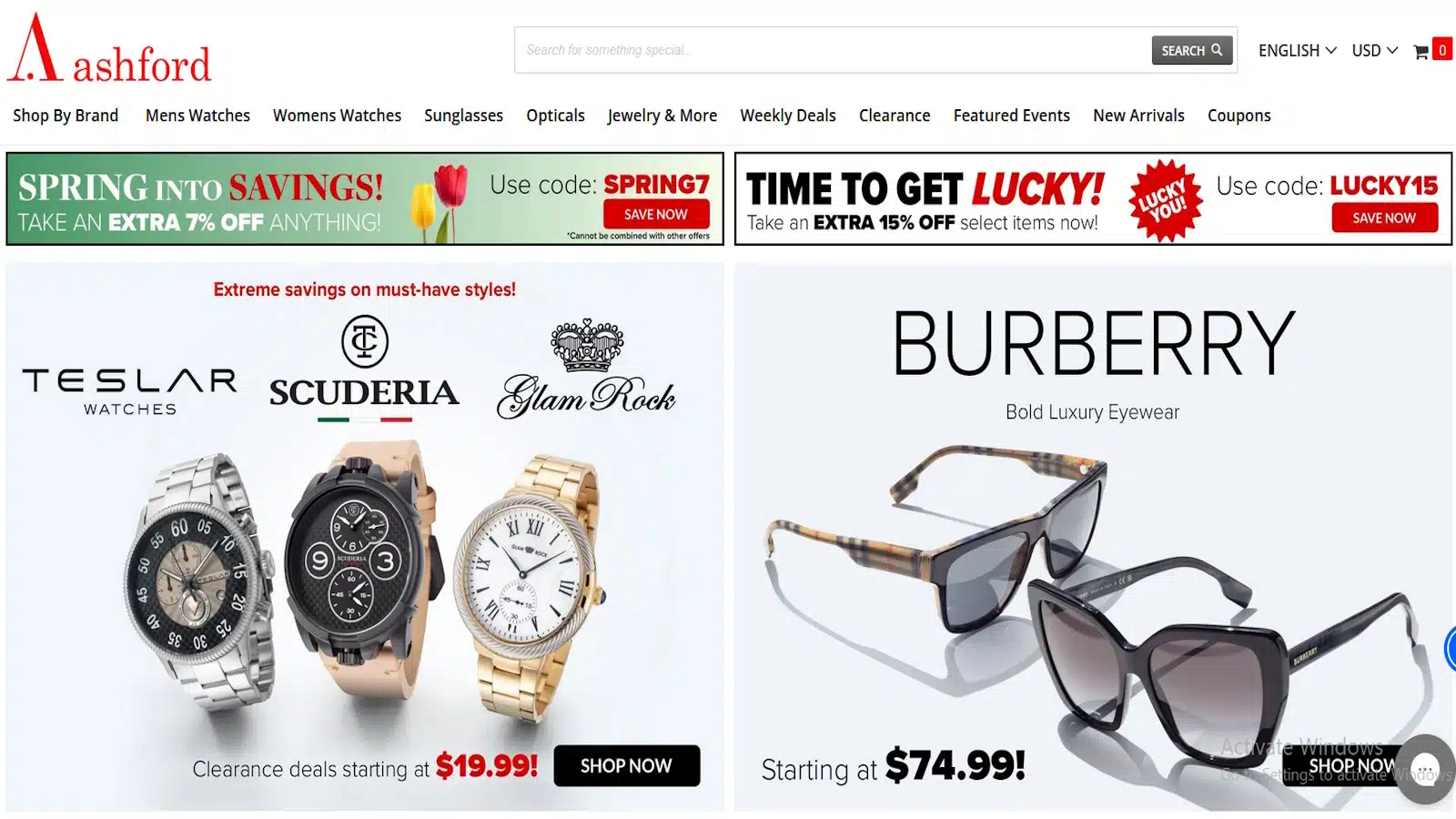
A large aftermarket of sellers and collectors trading in watches has created what we now know as the “grey market.” Sometimes, these are businesses like Ashford and other times, they are independent sellers.
This is where watch prices can get a little confusing. While many watches can sell for cheaper on this platform and the pre-owned market, others can be more expensive. It all depends on a unique set of factors, including the watch, the brand, and where it sits in the hierarchy of manufacturers.
People frown upon flipping watches due to the grey market. Manufacturers don’t allow retailers to inflate or discount the watches they allocate to them. However, grey market dealers (unauthorized dealers) can buy these watches from them and set their own pricing.
It raises a question: Why are brands still fixing retailers’ prices? If retailers could offer discounts, there would be no grey market. Thus, retailers could raise the cost of an in-demand watch, just as a flipper would.
The Blacklist
Flipping watches sounds like a very healthy way to make a fast profit. But there is this thing called blacklist to consider. Manufacturers can trace a watch and follow its ownership trail and how the owner sold it. If a manufacturer finds out this watch sold down this route, it can blacklist you.
A brand can speak to other authorized dealers that stock its watches. They can make it very hard for you to buy another watch from them. That means they’ll be reluctant to sell any future hard-to-buy watches to you.
Then there’s the issue of convincing your watch-collecting friends that you’re genuinely enthusiastic about watch collecting. There is that consensus that if you’re a purist, you shouldn’t be in it for the money, but for the love of horology.
The worst thing about being blacklisted is that you never quite know when or if you’ll ever come off it. It’s down to the brand’s discretion. Manufacturers like to police their prices and who they supply to. Unless that ever changes, watch flippers need to watch their backs!
The Takeaway
Rare watches are undoubtedly worn by those with the deepest pockets. They have more money and, sometimes, privileges with a particular retailer. There is money in flipping watches to these types of collectors. Buying a watch from a retailer and selling it on the grey market for 100% profit seems like a no-brainer. But it can get you into trouble.
The thought of becoming a blacklisted customer is too much of a risk for many collectors. It could make watch-collecting difficult for them in the future. And you can’t argue that making money purely for profit takes the shine off collecting and enjoying high-end timepieces.
Are some watch collectors just greedy? Or are they following the industry’s lead and adapting to the current climate and product demand? Some agree that buying with your heart and not your wallet returns a far better emotional reward.
Whatever your opinion, one thing is unarguable: watches will sell for whatever a collector is willing to pay for them. Does it matter if new watches sell for a higher price on the grey market or vintage watches fetch exorbitant prices at auction? Does that really make any difference?
What’s your view on the matter? Let us know in the comments below.








Leave a Reply