


At times feelings in a relationship might be quite loud, powerful or confusing and a man might think that his relationship has passion and spark which in his mind is sustaining their relationship. He might think that jealousy, possessiveness or those melodramatic displays are signs of deep affection or are depth of his woman’s love for him but at times what can be interpreted as affection can be just an underlying insecurity, fear of losing someone or emotional turbulence that are portrayed as something romantic on the surface. The distinction between healthy and unhealthy emotional habits and true passion should be learned. Trust, respect and stability form the basis of healthy relationships and the passion can further enhance excitement and meaning to it but when the unhealthy behaviors are confused with passion they can gradually destroy long term happiness. In this article we will discuss some of the female behaviors that are often confused by men as passion but in fact these are just toxic behaviors.
Extreme Jealousy That Looks Like Deep Love

Jealousy is often romanticized in movies and social media as proof that someone truly cares. When a woman becomes intensely jealous over small interactions like checking his messages behind his back, questioning friendships or reacting strongly to normal interactions with a colleague some men interpret this as a sign of fierce devotion. However, there is a point we need to understand that jealousy is rarely about love. It is often a form of insecurity, fear of loss or past emotional wounds. While mild jealousy can be natural in relationships, those constant suspicions create tension and distrust. Over time this behavior can limit personal freedom and damage emotional stability.
Possessiveness That Feels Like Loyalty

Healthy relationships promote individuality but sometimes when a man is in a relationship with an insecure woman she tries to control him in the name of love by wanting constant attention, restricting interactions or expressing discomfort when he spends time with others. It may feel like loyalty or devotion but possessiveness can quietly become suffocating. A partner who truly loves you supports your friendships, interests and independence rather than restricting them.
Emotional Outbursts Mistaken For Emotional Depth

Some men think that if their partner cries, yells or has a breakdown over small things it means she really cares about the relationship. They see this as a sign of love but emotional maturity is, about expressing your feelings in a clear and calm way. It means taking a deep breath, understanding what you’re really feeling and then explaining it without blaming or attacking the person. Clear communication lets both partners feel heard without fear of things getting out of hand.
Constant Need For Reassurance That Looks Like Attachment

Reassurance is the most important part in healthy love but it should not feel like a never ending demand to prove love. A woman who always needs reassurance can sometimes be insecure or have unresolved traumas Over time this can make both partners feel emotionally tired especially if one person feels responsible for constantly proving their love.
Dramatic Make Ups After Fights Seen As Romantic Chemistry

Some couples argue very intensely and then make up in equally dramatic ways like offering emotional apologies or making big romantic gestures. This back and forth can feel thrilling and even addictive at times. Many men mistake these emotional ups and downs for passion but when fights and reconciliations keep happening repeatedly it usually points to instability rather than real chemistry.
Sacrificing Everything Mistaken For Devotion

When a woman gives up her hobbies, friendships or ambitions for a relationship it can look like extraordinary commitment. Some men interpret this as proof of unconditional love but losing personal identity is not devotion its self-erasure. A healthy partner maintains individuality while building connection.
Overprotectiveness That Appears As Caring

Some women can become very protective in a relationship, keeping a close eye on health habits, be it trying to manage daily routines or making decisions that their partner could handle on their own. In the beginning this kind of behavior may feel warm and caring may seem like genuine concern making the other person feel looked after but when protectiveness becomes suffocating it slowly takes away a person’s independence.
Love Bombing Mistaken For Deep Commitment

In modern dating its normal to be extra caring, affectionate and make exaggerated lifetime promises. This can feel exciting and overwhelming in a good way and many men see this as strong love or deep commitment but sometimes love bombing is not about real love. It can be a way to create attachment very fast before trust has naturally developed. These grand gestures may feel magical at first but they can also create expectations that are hard to maintain later. When the intensity suddenly fades, confusion and disappointment often follow.
Testing Loyalty Through Drama
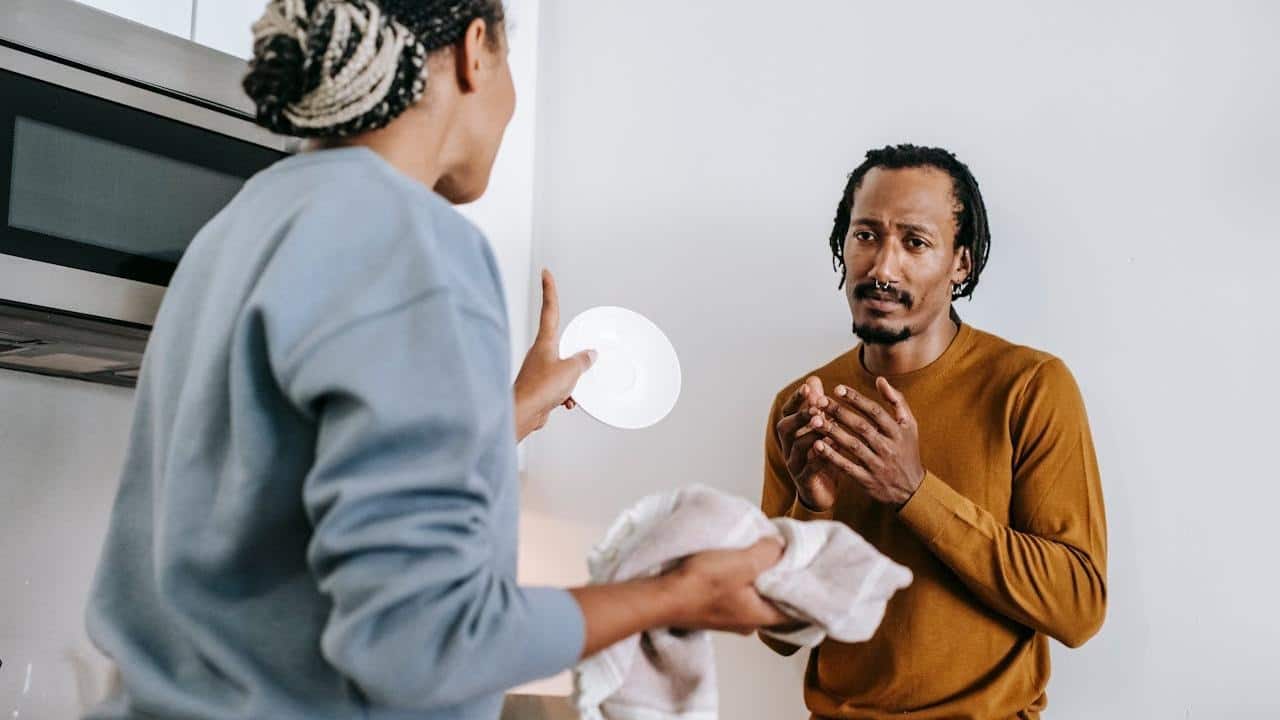
Some women create situations to test their partner’s loyalty. For example they may ignore messages on purpose, make their partner jealous or start unnecessary drama just to see how he reacts. These actions are sometimes seen as playful or romantic however when loyalty is tested again and again it usually shows insecurity and fear rather than love. These tests can make the partner feel confused, stressed or even hurt.
Overdependence Mistaken For Emotional Connection

Sometimes one partner depends completely on the other for happiness, decisions or emotional support. This may feel like closeness at first because they are always together or always seeking comfort from each other but when a person relies too much on their partner the relationship can become unbalanced. One person may feel pressured to carry all the emotional weight while the other loses confidence in their own independence.
Monitoring Social Media Activity

Some women closely watch their partner’s social media checking who they follow, questioning likes or reacting strongly to simple online interactions. At first this may seem like curiosity or concern. That’s very normal when you are new in a relationship and you want to be sure this man is loyal to you but constantly monitoring social media usually shows mistrust or insecurity. It can make the partner feel watched or judged,even when they have done nothing wrong.
Turning Small Issues Into Major Conflicts

Sometimes small disagreements turn into big arguments very quickly. Some minor issues like being late or forgetting something can become dramatic conflicts filled with strong emotions. Some men think this means the relationship is important because the reactions feel intense. But in reality frequent clashes like these drains emotional energy and creates unnecessary stress.
Creating Emotional Highs And Lows

Some relationships feel like a rollercoaster full of intense love one day and sudden distance the next. One moment there is deep affection and the next moment there is silence or cold behavior. These emotional swings can feel exciting because they create strong feelings but over time they can also feel exhausting and confusing.
Constant Comparison With Others

Some women compare their relationship to others like friends or couples on social media. They might say things like, “Look how he treats her,” or “Why can’t you do that too?” Sometimes they say this because they want the relationship to improve or feel better.
At first this may not seem like a big problem. It can feel like they are just sharing what they like or expect but when comparisons happen too often it can create pressure and unhappiness.
Withholding Affection To Gain Control

Some partners stop showing affection to control the situation, ignoring messages, giving silent treatment or refusing emotional closeness until they get what they want. This behavior is sometimes mistaken for independence or strong personality but it is a form of emotional manipulation.
Final Thoughts

Passion is often misunderstood as intensity, drama, or emotional chaos but true passion is quieter than people expect. It feels safe, steady, and secure even in its deepest moments.
Men who mistake unhealthy behaviors for passion may unknowingly stay in relationships that feel exciting but emotionally draining. Recognizing the difference between genuine love and emotional instability is the first step toward healthier connections.









Leave a Reply