


The idea of the “unfazed man” that is unbothered by any relationship chaos in his life is merely a fake impression most men carefully curate to fool the world. And for what? To appear strong and unbothered by the emotional turmoil following a breakup, while they struggle internally. In all honesty, the end of a relationship is not just the loss of a partner for a man, it’s the loss of his identity around which he had built his entire life. This loss causes a ripple effect that touches his health, career, ambitions and his very sense of worth. To understand the “Silent Fracture” lets look at the various often invisible ways a breakup dismantles the man.
The Collapse of the Emotional Monopoly
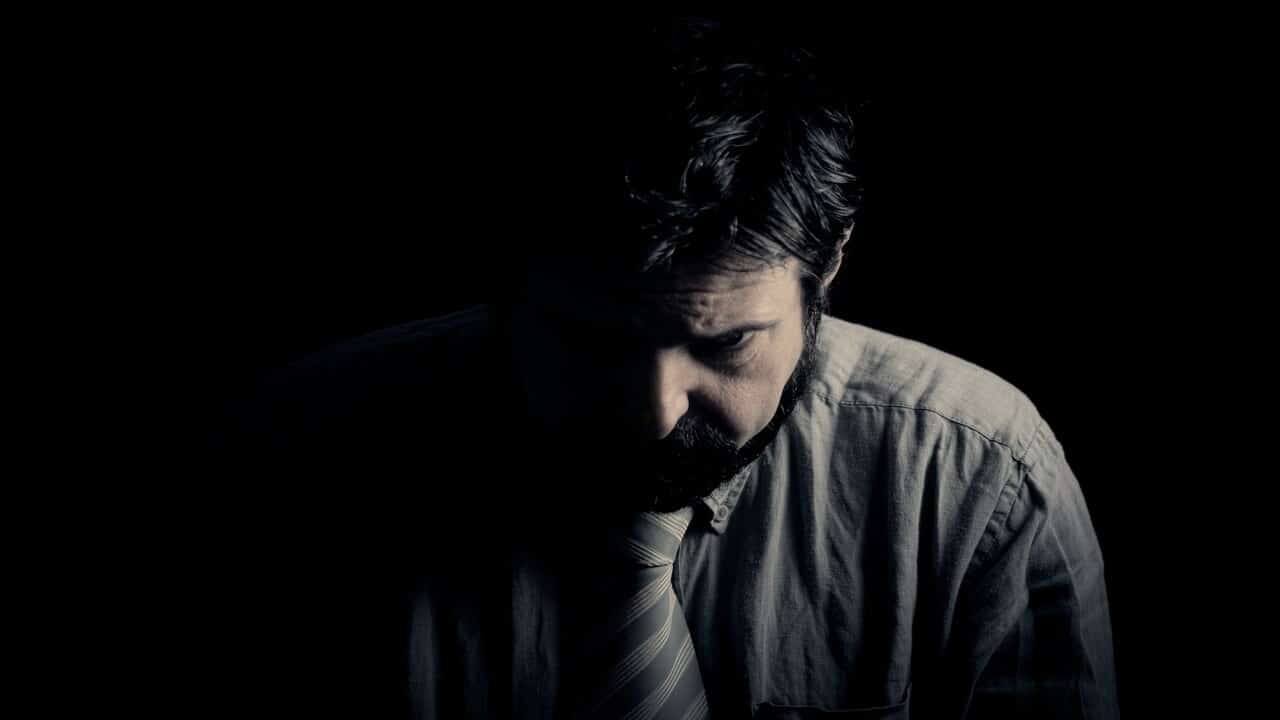
Many men become completely emotionally reliant on their partner, who becomes their only true confidant. At the end of the relationship, they lose their entire support system. This feeling of emotional abandonment makes the silence that immediately follows the breakup deafening and heavy.
The “Delayed Fuse” of Male Grief

Paradoxically, men do not go through immediate mourning, what they experience is a delayed emotional reaction. At first, they will display an indifferent attitude or a pretense of freedom. It’s only after some time, even months, that they start to crumble, resulting in sudden, unexplained exhaustion.
Identity Fragmentation: Losing the “Anchor”

If it was a long-term relationship, the man may have started tethering his sense of worth to his role as a protector, provider, or partner. When a fallout strips him of that identity, he faces an identity crisis that can make even simple daily tasks feel aimless.
The Digital Fishbowl and Reputation Anxiety

In an era of spilling tea among social groups or social media platforms, men are plagued by a unique fear: getting their flaws and failures publicly broadcast. This hyper-alertness regarding their image pushes them into a frenzy about how the world is going to believe their partner’s narrative, which adds fuel to the fire.
Somatization: When the Heart Speaks Through the Body

Many men experience real “physical symptoms of heartbreak.” Constant idiopathic back pain, tension headaches, and gut issues without an explainable cause are the body’s natural response to emotional distress, especially when the mind is trying to stifle the inner voice.
The Loss of the “Future-Self” Roadmap

Men are more goal-oriented and long-term planners. A breakup does more than just take away love from a man. It literally deletes the future plans and years post-retirement dreams they had envisioned with their partner by their side. Now he loses a sense of purpose in his life and feels stuck in a void, which is the most draining aspect of heartbreak.
Performative Stoicism and the “I’m Fine” Tax

The worst part is men are conditioned from the day they enter the practical world to stay strong no matter what happens. They face extreme pressure to appear “fine” at the workplace and in all their interactions, this pretense of calm drains their mental energy. This facade of normalcy prevents true healing from happening.
The Neurochemistry of Ego-Bruising

Rejection activates the same pathways in the brain as physical injury does. In the case of a man, the pain is exacerbated by a sense of personal failure. They start questioning their own worth and internalize self-blame that maybe they weren’t enough. This internal monologue deals a blow to their self-esteem, professional, and social confidence.
The “Replacement” Trap: Rebounding as Survival

Many men fall into the trap of immediately rushing into not-so-well-thought-out new relationships to prevent loneliness. They do it rarely out of love, but for survival, to fill the vacuum created by their partner’s departure from their life. But sadly, these “replacement” connections only serve as a temporary salve to the emotional wounds that heartbreak has left, as real emotional work is missing for true recovery.
Social Isolation and the “Squad” Gap

Despite having friends, men keep their emotions and pain hidden from the world. They just cannot bring themselves to be truly vulnerable in front of even their closest friends. This creates a profound sense of being alone despite being part of a crowd.
The Erosion of Professional Drive

Men thrive at work and grow at an unstoppable rate professionally when they feel a sense of safety at home. A man who is going through an internal breakdown suffers from a decline in cognitive performance and faces brain fog. This impacts his efficiency at work too and he loses the will to pursue any ambitions in life anymore.
Digital Ghosting and the Search for Closure

Clear closure in the digital world has become a thing of the past. They get blocked prior to or shortly after the breakup. The grief of not knowing what served as the last nail in the coffin or having clarity stings like a stake through the heart as they lie sleepless at night searching for answers.
Redefining Masculinity Through Loss

A breakup also helps a man revisit his old definition of masculinity. He must relearn that true masculinity in the modern era is not about silently suffering but being resilient enough to stand up after a fall and rebuild his life.
The Myth of the “Fast Mover”

Research shows that men feel the pain of heartbreak months or weeks following the episode, while women may grieve over the loss earlier and then move on in life. Men carry the “residue” of a failed love into every new relationship they build because they never truly sit and process the pain.
Navigating the “Slow Burn” of Recovery

Healing is a slow, often frustrating process for modern men. It takes them ample time to reclaim their individuality and learn that their worth is not dependent on their relationship status.
Final Thoughts

The “Silent Fracture” of a breakup is proof of the deeply loving, devoted, and caring nature of a man who is committed for life with a partner. The idea of a breakup and eventually the real breakup haunts him for months or even years post-breakup. The key is to sit with the pain, embrace the “slow burn” of genuine healing, and rebuild his life from scratch. Men who succeed in achieving full recovery appear stronger, more self-aware versions of themselves.










Leave a Reply