


Some people are easy to fall for because they’re warm, magnetic, and emotionally generous early on. The connection feels natural, the chemistry feels effortless, and the relationship starts fast. But long-term love isn’t built only on attraction. It’s built on consistency, emotional safety, honest communication, and reliable repair after conflict. “Hard to keep” doesn’t mean unlovable. It often means the relationship becomes unstable once routine, stress, and real-life pressure show up. These signs focus on patterns that can make someone feel amazing at the start but difficult to build a future with.
The Relationship Runs on Highs and Lows

When the bond depends on emotional spikes, calm starts feeling empty. Big highs can feel like proof of love, but they often come with big crashes. Over time, the partner starts bracing for the next shift. That “brace” turns love into anxiety. Anxiety can look like attraction early, but it becomes exhausting later. The relationship starts feeling like a rollercoaster, not a home. Long-term commitment usually needs steadiness more than intensity.
Closeness Makes You Panic After You Get It

Some people want intimacy until it arrives, then they feel trapped or exposed. They pull back right after a good weekend, a deep talk, or a step forward. The partner gets confused because closeness is rewarded with distance. That inconsistency creates insecurity. Insecurity creates chasing, and chasing creates pressure. Pressure makes the pullback worse. The cycle becomes self-defeating. Healthy closeness requires feeling safe being known.
Reassurance Is Needed Constantly

Occasional reassurance is normal, but constant reassurance becomes emotional labor. The partner starts feeling responsible for keeping everything “okay.” If silence or slow replies trigger anxiety, the relationship loses breathing room. A breathing room is essential for attraction long-term. Without it, closeness starts feeling like an obligation. Obligation drains romance quickly. Reassurance works best when it supports trust, not when it replaces it.
Mixed Signals Keep People Hooked but Not Secure

Warm one day, cold the next often gets mistaken for mystery. But mystery turns into confusion when it becomes a pattern. Confusion makes the partner overthink, and overthinking kills ease. Ease is what makes relationships sustainable. Mixed signals can also look like inconsistent effort or unpredictable affection. Even if the intent isn’t manipulation, the impact is instability. Instability makes long-term planning feel risky. People may stay for chemistry but stop building for the future.
Small Problems Become Big Emotional Events

When every issue feels urgent, the relationship becomes constant firefighting. Firefighting makes partners emotionally tired. Emotional tiredness turns into numbness. Numbness is often mistaken for “losing feelings,” but it’s frequently burnout. Escalation can also make honesty feel unsafe, because the partner expects a blow-up. Then they start hiding small truths to avoid big reactions. That hiding creates distance. Distance creates mistrust, and mistrust creates more conflict.
Conflict Ends Without Real Repair

Some relationships fight often but never truly resolve anything. The topic changes, but the resentment stays. When repair is weak, partners forgive on the surface but stay guarded underneath. Guarded love doesn’t feel warm. It feels cautious. Caution kills playfulness and spontaneity over time. Without repair, every new conflict stacks on old pain. Eventually, the partner stops trying because nothing feels resolved.
Love Is Tested Instead of Requested

Testing looks like pulling away to see if they chase, acting cold to see if they notice, or flirting with attention to provoke jealousy. It can feel powerful in the moment, but it damages trust. Trust is what makes love easy to keep. Tests turn the relationship into a performance. Partners get tired of trying to “pass” the relationship. Over time, they stop reacting and start withdrawing. The relationship can end not from lack of love, but from exhaustion.
Feelings Get Weaponised in Arguments

Some people use emotions as proof that the partner is wrong. They may guilt, shame, or punish instead of problem-solving. The partner starts walking on eggshells to avoid triggering a reaction. Eggshell relationships don’t last because they create tension even in calm moments. Tension reduces intimacy. Reduced intimacy makes insecurity worse. Then conflict becomes more frequent. Emotional safety collapses when feelings are used as weapons.
Attention Is Needed to Regulate Mood

If affection is withheld when upset, the partner feels punished. If mood depends heavily on the partner’s behavior, the relationship becomes pressure-filled. Partners often respond to pressure by pulling away. Pulling away reduces affection, which increases insecurity, and the cycle continues. This dynamic often looks like neediness but feels like control. Healthy relationships allow both people to have emotions without making the other person responsible for regulating them. Support is healthy. Dependency is heavy. Heavy relationships become hard to keep.
Being “Easy to Love” Depends on Being Chased
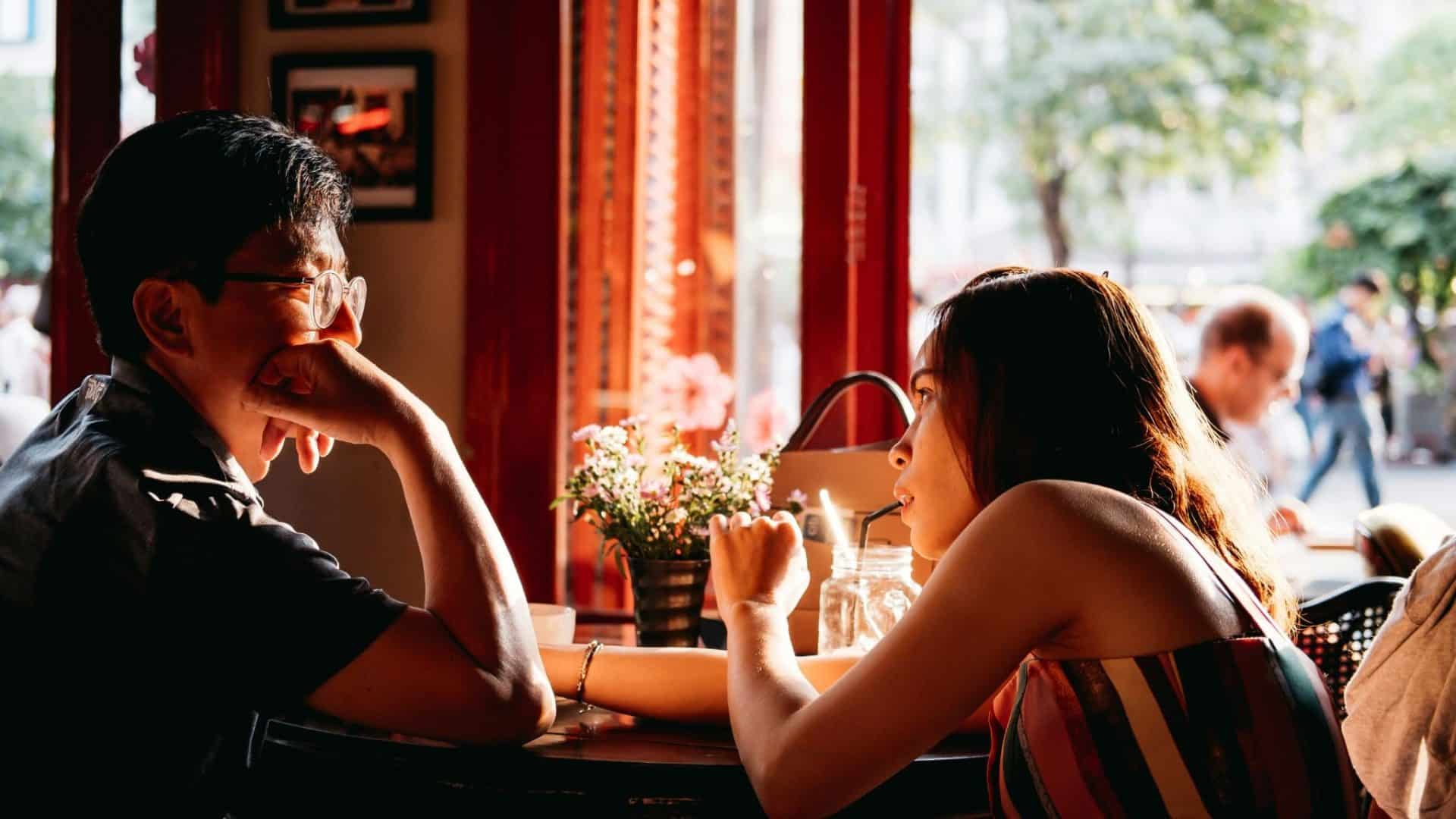
Some people feel most secure when they’re being pursued. Once the relationship becomes stable, they get restless. They may pick fights, create distance, or complain about boredom. The partner ends up constantly proving love. Proving love becomes exhausting. When proving becomes routine, romance starts feeling like a job. A stable relationship shouldn’t require constant proving. It should allow both people to relax. If relaxation feels scary, stability will be hard to build.
You Avoid Hard Conversations Until They Explode

Avoiding conflict can look peaceful at first. But avoided issues don’t disappear, they accumulate. When they finally come out, they come out bigger and harsher. The partner feels blindsided because the buildup was hidden. That unpredictability harms trust. Trust weakens when communication is delayed. Delayed communication creates resentment. Resentment creates emotional distance. Distance makes love harder to maintain.
The Partner Feels Like a Therapist, Not a Lover

When every deep moment turns into emotional processing, romance can fade. Processing is important, but constant processing can become heavy. The partner may feel responsible for stabilising emotions instead of enjoying connection. Enjoyment is essential for long-term bonding. If the relationship feels like a constant emotional project, the partner gets fatigued. Fatigue reduces affection and curiosity. Over time, the relationship loses playfulness. Playfulness is often what keeps love alive for years.
Boundaries Create Guilt or Punishment

If normal boundaries cause sulking, mood shifts, or distance, partners stop setting them. Then resentment grows silently. Resentment is one of the fastest ways to kill attraction. Healthy partners can hear “no” without turning it into a relationship crisis. When boundaries are punished, the relationship becomes controlling even if it looks “sweet.” Partners feel trapped instead of chosen. Being chosen freely is what makes love feel romantic. When freedom disappears, love becomes duty. Duty rarely lasts.
Consistency Drops After the Honeymoon

Some people are amazing in the beginning, then effort fades fast. Communication slows, affection becomes conditional, and plans become vague. The partner starts feeling like the early version was a performance. That feeling creates distrust. Distrust creates emotional distance. Emotional distance reduces desire on both sides. Long-term love needs consistent effort, not perfect effort. Consistency is what creates security. Without security, people stop investing.
Accountability Turns Into Excuses

Mistakes happen in every relationship. The difference is what happens after. If feedback triggers defensiveness, excuses, or blame-shifting, the partner learns it’s unsafe to speak up. Then problems go underground. Underground problems become resentment. Resentment becomes distance. Distance becomes breakup energy. Accountability doesn’t require self-hate. It requires ownership and adjustment. When accountability is missing, relationships become fragile.
You Need Drama to Feel Chosen

Some people only feel loved when there’s a dramatic moment: a big apology, a big chase, a big reassurance. Normal steady love feels too quiet. But quiet love is usually the love that lasts. Drama-driven love burns energy and creates insecurity. Insecurity makes people act out. Acting out creates more drama. The relationship becomes a loop of damage and repair attempts. Over time, the partner gets tired of the cycle. Love may still exist, but the stamina doesn’t.
You Want Deep Love but Resist Daily Partnership

A person can be emotionally intense but practically inconsistent. They may crave soul-level closeness but avoid reliability, planning, or shared responsibilities. The partner feels alone in building the future. That loneliness creates resentment. Resentment weakens admiration. Admiration is a big part of long-term attraction. Without partnership, love becomes stressful. Stress makes romance feel like work. Relationships survive better when depth and practicality are both present.
Tips

Patterns change when they’re named early and handled consistently. Replace testing with direct requests, and replace escalation with calm pauses. Practice repair that includes accountability, not excuses. Build consistency with small reliable actions instead of big emotional moments. Allow closeness without panic by choosing steadiness over control. Respect boundaries without turning them into guilt, and give space without withdrawing affection. If reassurance is needed, ask clearly and avoid suspicion-based questions. Keep conflict focused on the issue, not identity attacks. Long-term love gets easier when stability becomes a habit, not a hope.
Final Thoughts

Being easy to love often means strong charm, warmth, and early connection. Being hard to keep usually comes from instability, weak repair, and patterns driven by fear rather than trust. These patterns don’t make someone bad. They make the relationship difficult to sustain. Long-term love requires emotional safety, consistent effort, and honest communication without punishment. It also requires the ability to handle closeness without panic and conflict without damage. When these skills improve, relationships become calmer and more secure. Calm love isn’t boring, it’s buildable. And buildable love is what lasts.








Leave a Reply