


Narcissism in women is no different from how it looks in men. They are extremely self-centered and think of themselves as the main character in your life and theirs, taken to an extreme. It goes beyond being confident; it’s a pattern of needing constant validation while dismissing the feelings of those around them. By recognizing this early, you can navigate these interactions with your eyes open and your boundaries intact. Below are 15 common signs that may indicate narcissistic tendencies in women.
Constant Need for Attention

She thrives on attention. She often seeks validation and admiration to feel important or valued. Regardless of the nature of the relationship, a narcissistic woman often relies heavily on a continuous stream of external approval to maintain her sense of self-worth. For her, being the center of attention is the driving force that keeps her going.
Excessive Focus on Appearance or Image
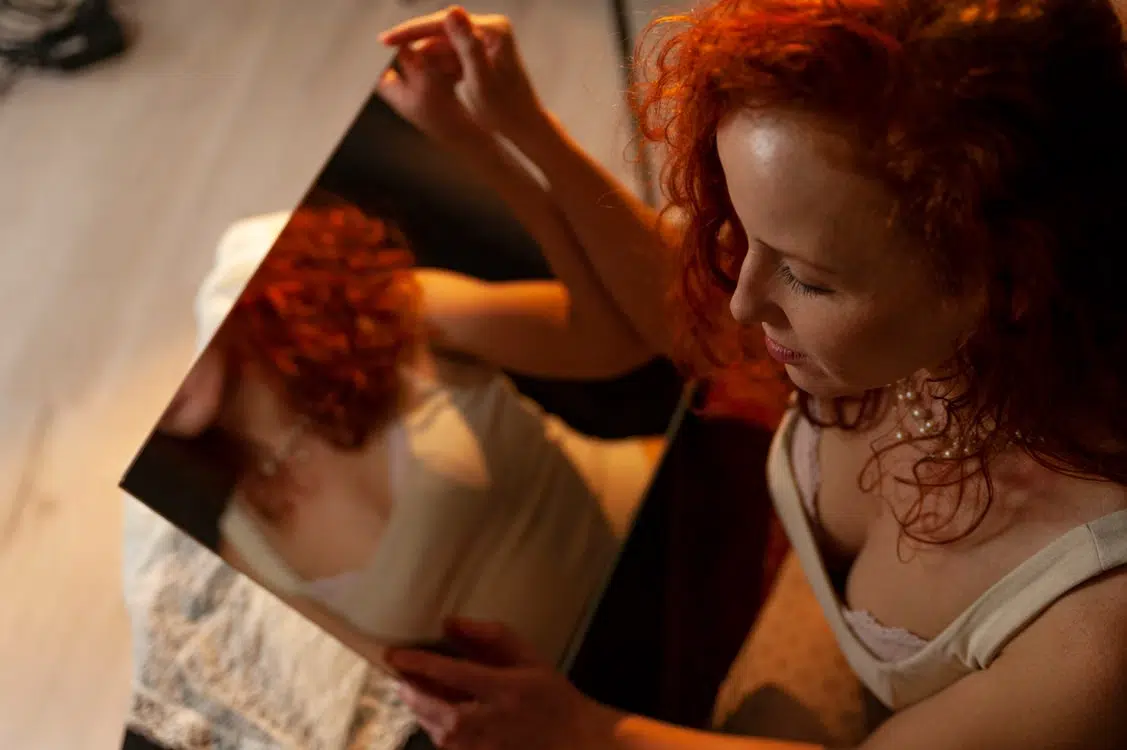
She obsesses over her looks. For her, maintaining a fake persona of perfection is a priority. Her ego is big and she can’t tolerate anyone outshining her in a relationship or profession. She wants to be the main character in every story she’s a part of.
Difficulty Accepting Criticism
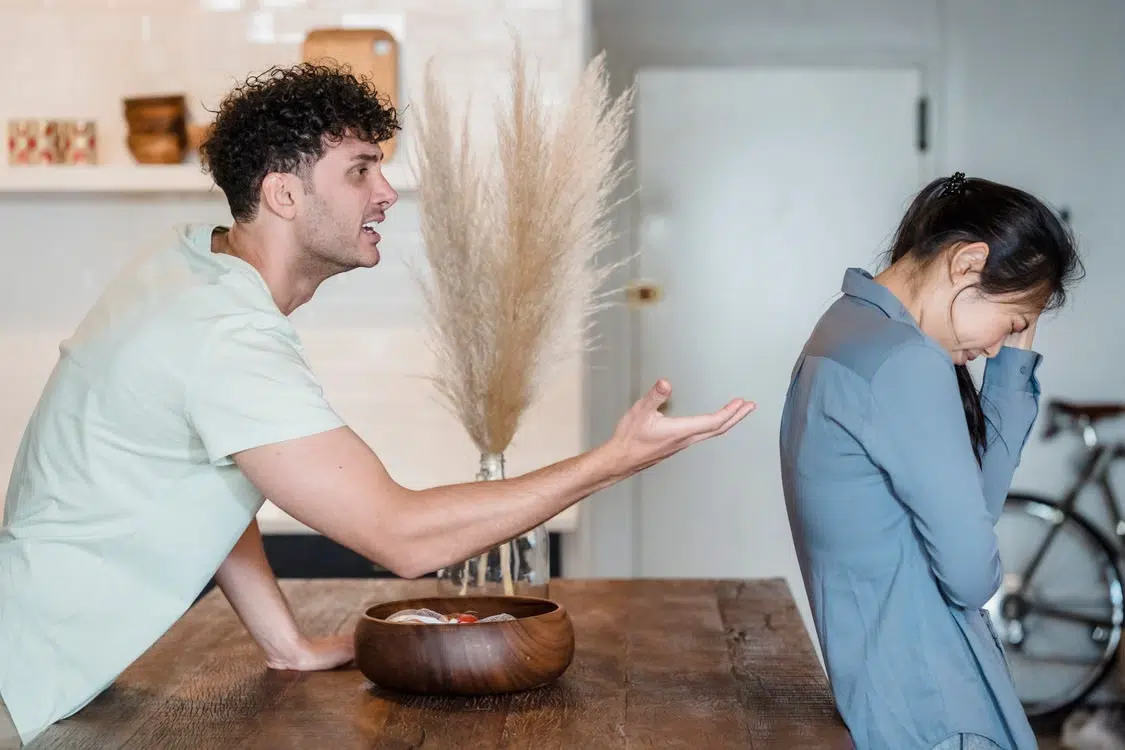
If there’s one thing that upsets her the most it’s criticism directed towards her even if it’s positive. Sometimes, even the most constructive piece of advice can be perceived as a personal attack by her. And not to mention, how she has a little chance for self-growth as she thinks she’s flawless. Accountability is something she never wants to learn because that might necessitate a change.
Lack of Empathy

She may struggle to genuinely understand or acknowledge other people’s emotions. Empathy doesn’t come naturally to her because others’ sentiments are not a priority for her. This behavior originates from her belief that she is superior to the rest.
Manipulative Behavior

She is a seasoned emotional abuser and manipulator. She has a victim complex and loves to pull out the victim card as a way to escape from accountability and responsibility. Her gaslighting will make you question your own actions and you may feel you are the one at fault always.
Sense of Entitlement
A narcissistic woman is not hard to notice as she stands out with her entitled behavior. She thinks she can offer other people crumbs but she rightfully deserves to receive the best treatment in return. Whether in a relationship or in a professional setting, she asserts herself emphatically and unapologetically.
Takes Credit for Others’ Achievements

Underneath her facade of perfection, intense jealousy fuels hidden hostility. She just can’t stand anyone outperforming her at work or even competes silently with her spouse. For every good thing she jumps to take the credit in the workplace although she may have contributed only a little to it. Beneath the facade of perfection is deep ego-driven insecurity and jealousy that makes her want to be the best and secretly wishes for others to fail.
Struggles With Genuine Apologies

A woman with overbearing tendencies struggles with accepting her flaws and apologizing for her contribution in the problem. Even if she does reluctantly say sorry, she spins her words to somehow blame your provocation for her reaction.
Competitive With Other Women

Narcissists believe they should be the life of every party, they are outwardly charming and inwardly just hungry for praise and attention. For a narcissistic woman the worst nightmare is to have someone else steal her spotlight especially if it’s another woman. She is rarely a “girls girl”, as to her it’s only her accomplishments and the compliments she receives that truly matter.
Uses Charm Strategically

Most narcissistic women may be hard to detect if you meet them occasionally as they try to be their best selves in front of a crowd stealing hearts with their charm and magnetic aura. It’s only after several interactions will you realise that she is kind and charming only as long as she has an agenda, once the goal is achieved she shows you her true colors.
Highly Sensitive About Reputation

She is more concerned about appearing nice than actually being nice. Her entire efforts and energy are invested into creating and protecting an image of herself that is not least like her true self. For the outside world she is the “Good Samaritan”, for the spouse at home or the coworker she sees a competition. She is the frenemy you never want in your life.
Dramatic Reactions to Small Issues

You just can’t drive home your point to her. She is a drama queen that creates a mountain out of a molehill every time you try to reason with her. She will take an instant to flip the narrative turning you into the villain.
Difficulty Maintaining Long-Term Relationships

Women with narcissistic traits want a constant stream of praise and admiration coming their way. In a long-term relationship like marriage, it’s not humanly possible for a partner to keep complimenting, especially when it begins to feel like pressure. At some point, as the praise fades, so does her hook to stay in the relationship and she walks out of the relationship.
Needs to Control Situations

She has this sense of authority which she can never share. Being the boss is her preferred dynamic. And if someone tries to take charge, she will create enough friction and drama that eventually everyone gives up.
Feels Threatened by Others’ Success

She is not a ‘cheerleader’ type. In her dictionary, if you are winning then she’s losing. She may congratulate you half-heartedly, but it usually comes as a remark that minimizes or downplays your achievement.
Final Thoughts
Recognizing narcissistic tendencies in a woman is the first vital step towards breaking free from an impending unhealthy relationship dynamic and a preservation of your mental health. While we all have moments of selfishness, a consistent pattern of narcissistic behavior creates a deep imbalance that can be incredibly draining. Spotting these traits early empowers you to set firm boundaries, communicate more effectively, and prioritize connections built on mutual respect. Ultimately, awareness is the foundation for fostering relationships that are genuinely balanced and emotionally supportive.










Leave a Reply