


Marriage used to be seen as the ultimate partnership, but many men today feel like it comes with a fine print they never signed up for. They still want loyalty, love, and a home that feels solid, but the risks and costs often weigh heavily than the rewards. Divorce rates, financial obligations, and shifting expectations make the deal feel more complicated than it should be. For a lot of men, the balance between freedom, effort, and appreciation seems off. This isn’t whining, it’s a clear-eyed look at why modern marriage feels less like a bond and more like a contract that’s stacked against them.
Marriage Feels More Transactional

From prenups to joint accounts, marriage often gets reduced to managing terms and contracts. For some men, the romance fades under the weight of financial planning and legal safety nets. Instead of building a bond, it feels like managing a shared business. That transactional feel is one of the biggest reasons men hesitate to sign on.
Marriage No Longer Guarantees Partnership
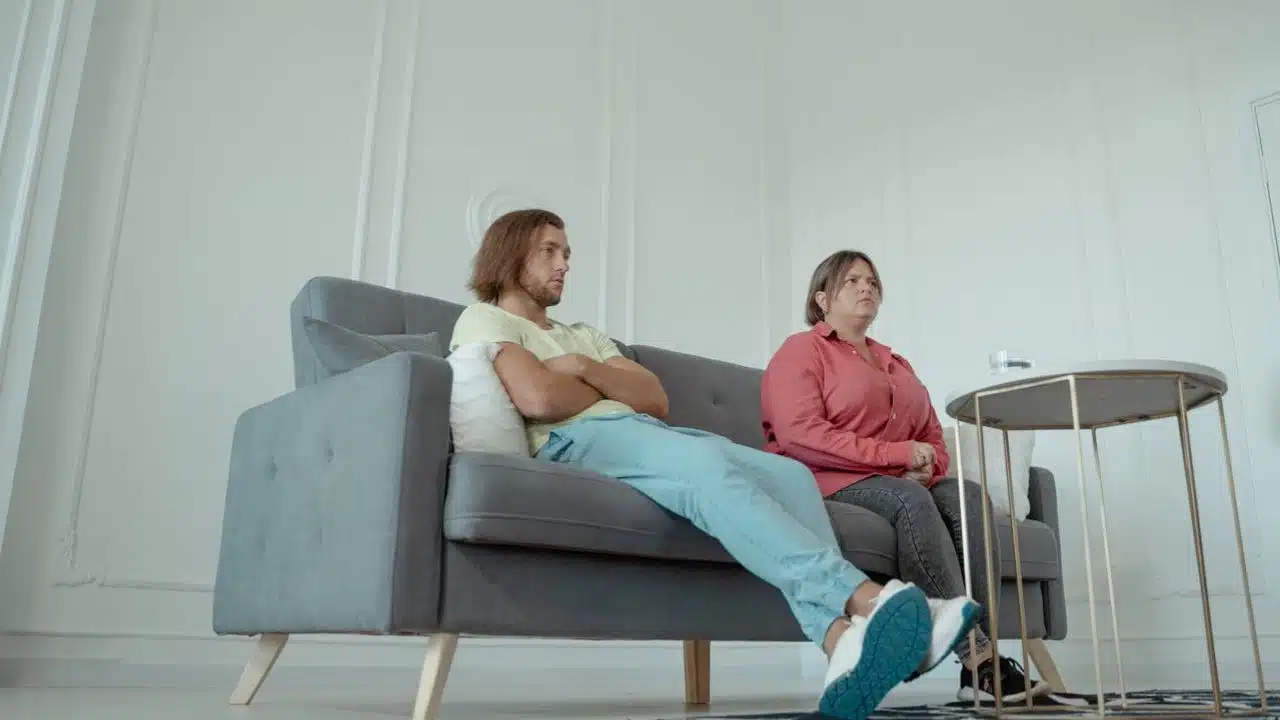
Plenty of men say marriage today feels less like teamwork and more like running separate businesses under one roof. They feel their role has shifted from equal partner to primary provider, with less appreciation. Some marriages thrive on teamwork, but for many men, the sense of partnership is missing. Without that bond, the relationship feels transactional, not supportive.
Divorce Risks Are Sky-High

One of the biggest reasons men hesitate with marriage today is the sheer risk of divorce. The emotional toll alone can be devastating, but the financial and legal battles often add insult to injury. When men look at the numbers, they see that divorce isn’t just possible, it’s common. The thought of losing time with children, assets, and even personal peace of mind makes marriage feel like a gamble. For many, it raises the question: Is the risk worth the potential reward?
Cost of Divorce Can Be Crippling

Divorce doesn’t just end a relationship; it often drains bank accounts. Legal fees, mediation, and court costs add up fast. On top of that, dividing assets can feel like splitting your life’s work in half. Even successful men with financial security admit it feels like an expensive penalty for something that didn’t work out. This heavy price tag is why so many men describe marriage as a business deal that can bankrupt them if it fails.
The Contract Never Ends

Unlike a business deal that has an end date, marriage obligations can stretch indefinitely. Even after divorce, payments, property ties, and shared responsibilities remain. Many men say it feels like they never fully close the chapter. This lack of closure is what makes marriage seem like a deal with no clear exit.
Alimony and Child Support Concerns
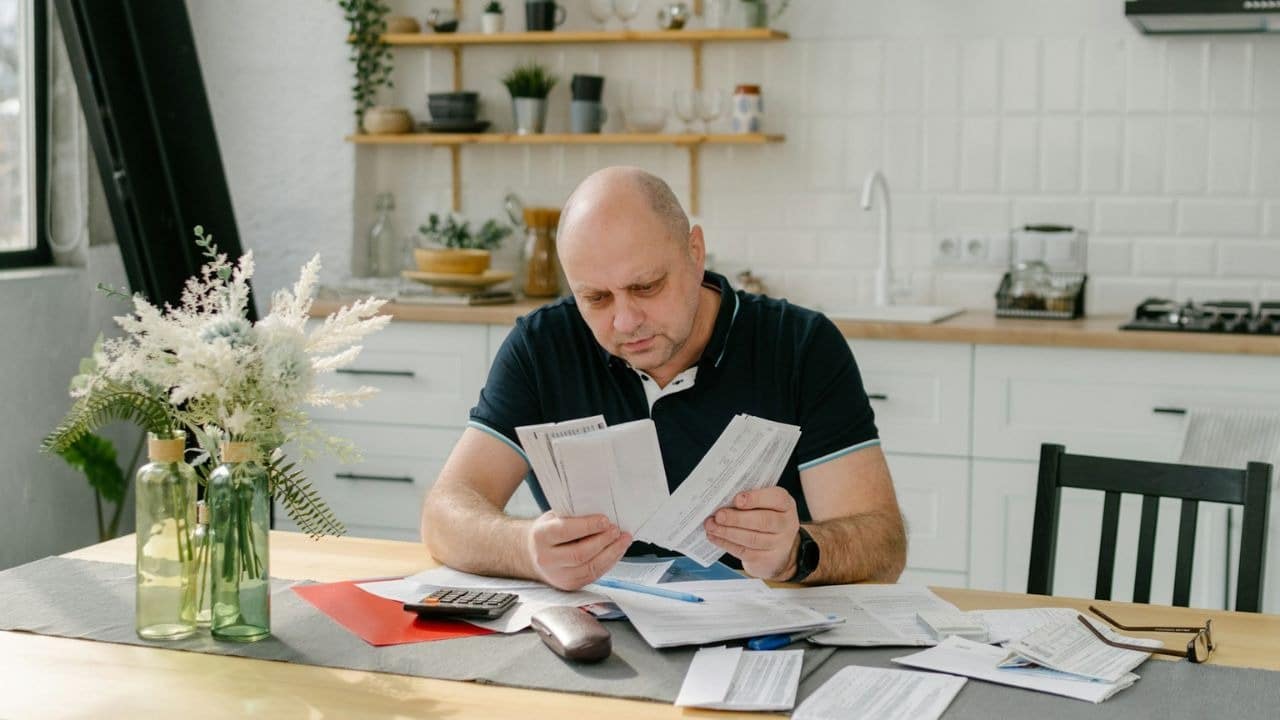
For men, divorce often doesn’t end the financial commitment. Alimony and child support can stretch for years, sometimes decades. The feeling of paying into a relationship that no longer exists creates resentment and exhaustion. It can feel less like moving on and more like being tethered to an endless contract. Many men see this as one of the clearest examples of why marriage feels like a risky business decision.
Property Division Favors Stability Over Effort

When property gets divided, the system often values stability more than individual effort. A man may have worked late nights and sacrificed weekends to build wealth, yet he sees half of it handed over. It leaves many feeling that their personal grind wasn’t protected. The sense of fairness gets lost, and marriage starts looking less like a partnership and more like a lopsided deal.
Pressure to Be the Primary Earner

Even with dual-income households, many men still feel the weight of being the main provider. When money is tight, the responsibility often falls on their shoulders first. This constant financial pressure creates stress that lingers every day. For men, the expectation to always be the backbone makes marriage feel less like a partnership and more like a financial contract.
Shifting Social Expectations

Men today juggle conflicting roles, from being the traditional provider to also meeting modern emotional and household standards. The bar keeps moving, which makes it hard to know if they’re doing enough. Some men feel like no matter what they provide, the expectations only expand. That pressure adds weight to the idea that marriage is less about love and more about performance.
Loss of Freedom and Flexibility

Marriage changes how men spend their time and make decisions. From where to live, to what weekends look like, everything becomes a negotiation. Some men miss the freedom of making choices without needing to run them through a partner first. The sense of lost flexibility makes marriage feel more like management than companionship.
Career Sacrifices Don’t Always Pay Off at Home

Many men pour themselves into their careers, believing it’s for their family’s benefit. Yet, some feel their hard work goes unnoticed or is taken for granted. When sacrifices don’t lead to appreciation, the resentment builds. This makes marriage feel like a business venture where the return on investment just isn’t there.
Sexual Expectations Decline

A frequent complaint is that intimacy fades as obligations grow. What started with passion sometimes turns into routine, or even absence. For men, this feels like losing one of the core rewards of marriage. When intimacy declines but responsibilities climb, it reinforces the sense of imbalance in the deal.
Household Labor Disputes

Arguments about chores, parenting, and responsibilities can feel never-ending. Instead of running a home, some men feel like they’re in constant boardroom meetings. This constant negotiation drains the joy from daily life. When household labor becomes a battleground, marriage loses the warmth it’s supposed to provide.
Final Thoughts

In past generations, marriage felt permanent. Today, divorce is common, and commitment feels less certain. Many men question why they should commit their life’s work to something society no longer treats as lifelong. This shift in culture makes marriage feel less like a safe bet and more like a gamble.









Leave a Reply