


Look, you’ve spent the last decade or two grinding—climbing the ladder, hitting the gym, and trying to be the guy who has it all figured out. But if you’re honest, sometimes the most important “project” in your life, your marriage, feels like it’s running on autopilot while you handle the chaos of work and kids. It’s easy to think that if there aren’t any massive blowouts, everything is fine, but longevity isn’t just about avoiding a legal split.
We’re going to dive into things like emotional safety, why shared humor actually keeps you healthy, and how to handle money without wanting to pull your hair out. If you’re ready to move past the “fine” stage and build something that actually lasts, let’s get into the weeds of what the research says works.
Deep Commitment to the Partnership

You have to decide that divorce just isn’t an option on the table, period. When you treat your marriage as a top-tier priority rather than a “nice-to-have” secondary to your career, the satisfaction levels skyrocket. In fact, the IFS found that husbands with this kind of high-level commitment were 234% more likely to report being genuinely happy. It’s about that intentionality—choosing to be there when things are boring or brutal, not just when the sex is good and the bills are paid.
Emotional Safety and Protectiveness

Does your wife feel like you’ve actually got her back when the world gets loud? Real stability comes from being her “safe harbor,” meaning you defend her in public—even against your own family—and keep the home a judgment-free zone. When spouses feel protected, they relax into the relationship rather than staying on guard. Think about it: when was the last time you went out of your way to show her that her heart is safe in your hands?
Shared Rituals and Quality Time

You can’t just “fit in” your spouse between Zoom calls and the kids’ soccer practice. The numbers don’t lie: couples who prioritize consistent date nights see a massive boost in happiness (114% for husbands, to be exact). It doesn’t have to be a $300 dinner every Saturday. It could be a 20-minute walk every evening or a ritual of cooking Sunday breakfast together. As the saying goes, “Love is a verb,” and you conjugate it by showing up.
Shared Values and Long-Term Goals

If you’re pulling East and she’s pulling West, the rope is eventually going to snap. You need to be aligned on the big stuff—how you handle money, how you want to raise the kids, and what “retirement” looks like. It’s worth sitting down for a “State of the Union” talk every few months to make sure you’re still headed toward the same North Star, especially after a big life shift like a promotion or a move.
Mutual Respect and Admiration

Treat your partner like an equal you actually like, not just a roommate who handles the logistics. This shows up in the small things: your tone of voice when you’re tired, actually listening to her opinion on a work problem, and expressing genuine appreciation for her strengths. If the respect dries up, the resentment moves in, and that’s a hard tenant to evict.
Deep Knowledge of Your Partner and Emotional Validation

Do you actually know what keeps her up at night or what her “perfect day” looks like right now? People change, and “updating the map” of your partner’s inner world is vital. When she’s venting about a rough day, don’t jump straight into “fix-it mode”—try saying, “I hear why that made you feel frustrated,” and see how much faster the tension melts away.
Turning Toward and Responding To Bids for Connection

John Gottman, the legendary marriage researcher, found that couples who stayed together “turned toward” each other’s bids for attention 86% of the time. A “bid” could be a joke, a random comment about a bird outside, or a request for a hug. If you ignore those little moments because you’re scrolling through your phone, you’re slowly starving the relationship of its oxygen.
Solution-Oriented Conflict Resolution and Repair

Arguments are going to happen, but the “win” isn’t being right; the win is fixing the connection. Happy couples focus on solvable problems and use “I” statements instead of pointing fingers. As Amy Rauer’s research suggests, it’s about being vulnerable enough to apologize and move toward a solution rather than winning the fight. Are you fighting the problem, or are you fighting each other?
Trust, Honesty and Open Communication

Trust is the bedrock—without it, you’re building on sand. An Indonesian study highlighted that trust alone contributes to nearly 69% of marital intimacy. That means being transparent about everything from the bank account to your “minor” frustrations before they turn into major blowouts.
Adaptability and Resilience Through Life Transitions

Life is going to throw curveballs—job losses, health scares, or the “empty nest” syndrome. The most resilient couples are the ones who can renegotiate their roles as things change rather than getting stuck in “the way it used to be.” As Darwin (mostly) said, it’s not the strongest who survive, but the ones most adaptable to change.
Personal Growth and Self-Care

You can’t pour from an empty cup, and you shouldn’t expect your wife to be your only source of happiness or your only “therapist.” Knowing your own triggers and how to calm yourself down during a heated argument is a superpower. Take the time to exercise, pursue your own hobbies, and get your own head right so you can bring your best self to the table.
Acceptance of Imperfections and Realistic Expectations
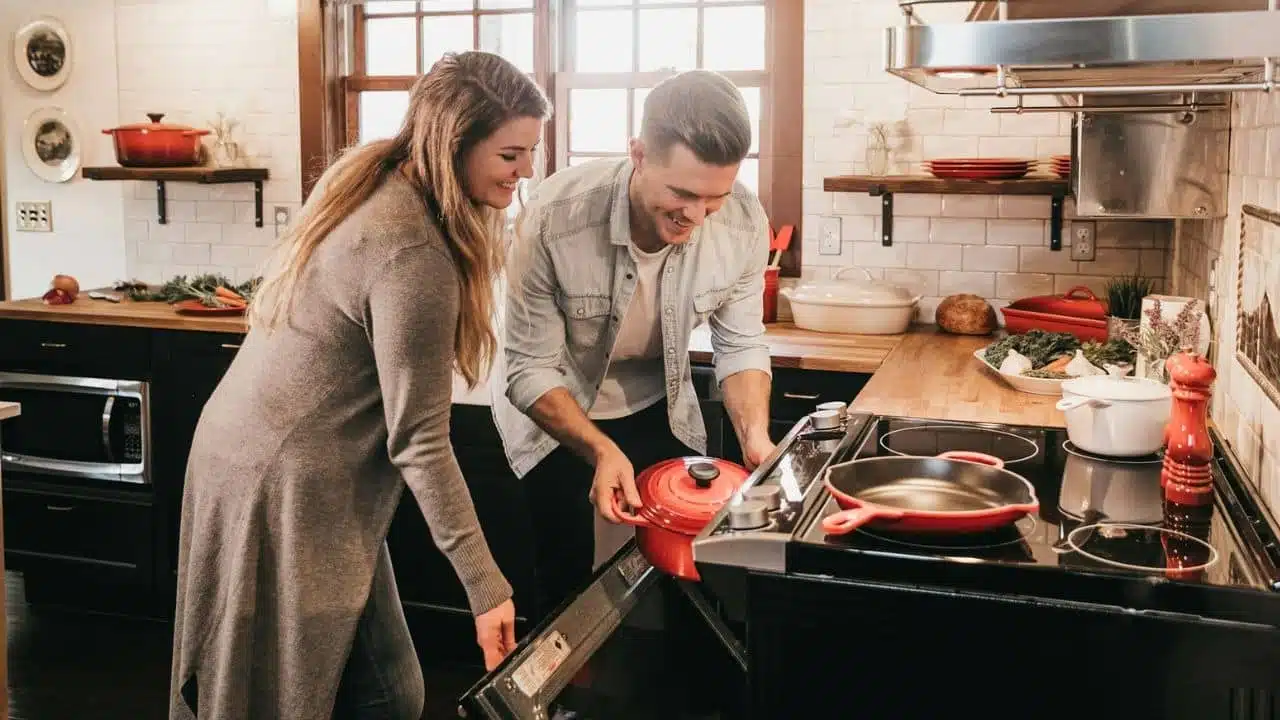
Stop looking for a Hollywood romance 24/7; real life is messy and people are flawed. Longevity requires a bit of “bending” and accepting that your spouse is going to annoy you sometimes. If you can distinguish between “annoying habits” and “deal-breakers,” you’ll save yourself a lot of unnecessary grief.
Shared Humour and Positivity Resonance

If you aren’t laughing together, you’re dying. Research shows that “positivity resonance”—those brief moments of shared warmth and simultaneous laughter—actually predicts better physical health and a longer life. Inside jokes and playful teasing act like a “buffer” against the stress of everyday life. When was the last time you guys laughed until your stomachs hurt?
Physical Intimacy and Affection

Sex is important, but so is the “non-utilitarian” touch—the hand on the small of her back, a long hug when you get home, or just sitting close on the couch. This physical closeness releases oxytocin and keeps that “partner” bond from turning into a “business associate” bond. Even when life is hectic, you have to prioritize that physical connection.
Financial Teamwork and Transparency

Money is one of the biggest marriage killers, but it doesn’t have to be. Interestingly, SPSP research found that couples who pool their money into joint accounts tend to be happier and stay together longer than those who keep everything separate. Whether you go full joint or “partial pooling,” the key is being on the same team with a shared budget and zero secrets.
Balanced Independence and Interdependence
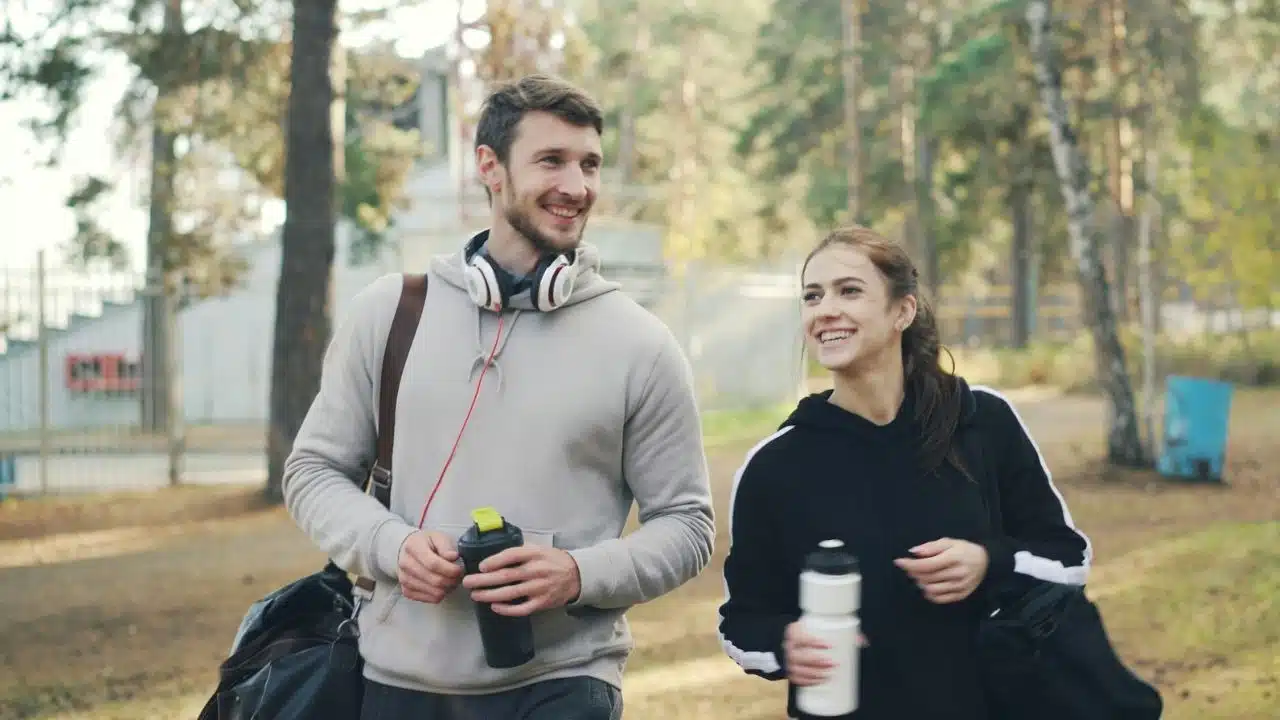
The healthiest marriages are a mix of “me” and “we.” You need your own friends and interests to stay a whole person, but you also need to be able to lean on your partner without becoming codependent. It’s about being two complete circles that overlap, creating a strong center without losing your individual edges. How’s your “me-time” looking lately compared to your “us-time”?









Leave a Reply