


Marriage is billed as the ultimate “safe harbor,” the one place where you can finally take off the armor and just be yourself. But for a lot of guys—especially the high-achievers, the entrepreneurs, and the professionals who are used to solving everyone else’s problems—that harbor feels more like a minefield. You start to realize that being 100% honest doesn’t always lead to intimacy; sometimes, it just leads to a three-hour argument or a week of the cold shoulder. So, you start filtering. You edit your thoughts, swallow your frustrations, and “keep the peace” until the peace feels like a cage. Have you ever sat in your car for ten minutes after work because you knew the second you walked inside, your truth would just spark a fight? It’s a lonely spot to be in, but you aren’t imagining it. We’re going to look at 16 specific moments where men realize honesty isn’t actually welcome and, more importantly, how to navigate that without losing your mind or your marriage.
When “There’s Nothing to Talk About” Means “Stop Talking”
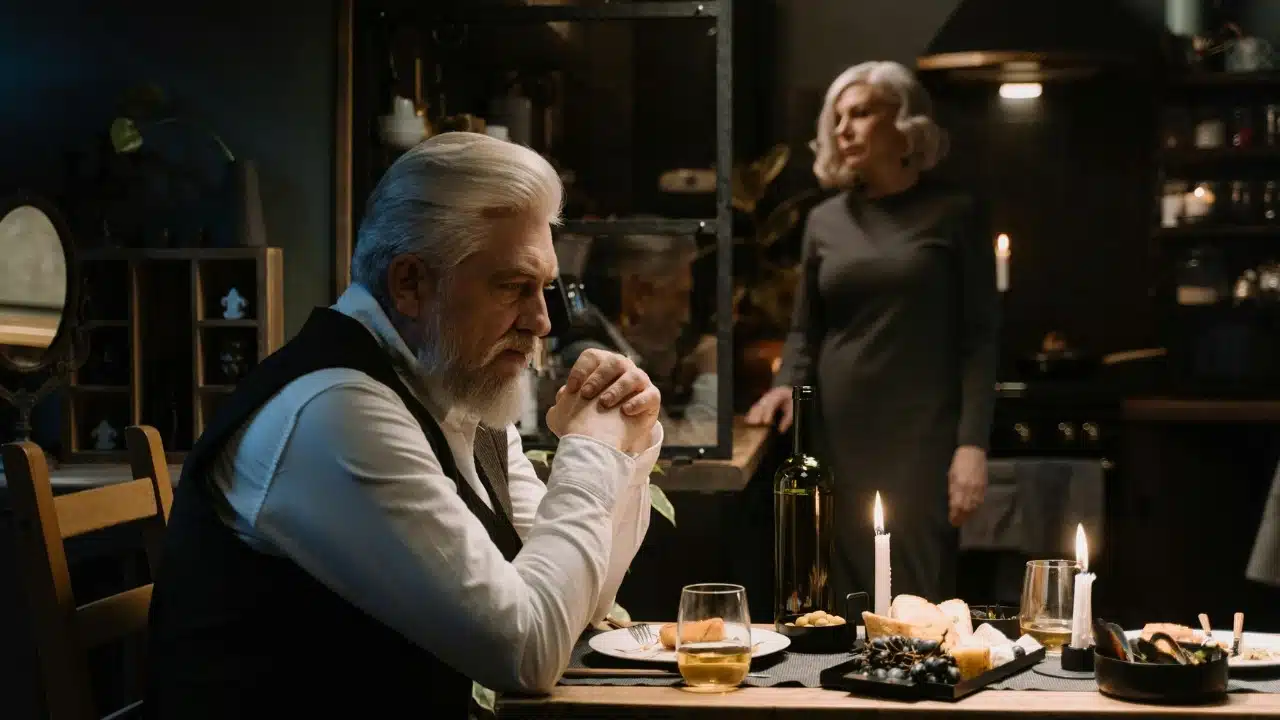
It’s that classic brick wall: you bring up a genuine concern about the relationship and get hit with a flat, “I’m fine, there’s nothing to talk about.” It makes you feel like an idiot for even mentioning it. When she shuts down like that, she’s essentially telling you that your perception of reality is wrong. Research shared on platforms like the Good Men Project shows that when one partner consistently stonewalls, the other eventually just stops trying. It’s a slow death for intimacy because you learn that honesty is just an invitation for rejection. If you’re hitting this wall, try framing it around a shared goal—like “I want us to feel closer”—rather than a critique. But honestly? If “I’m fine” is the only answer you ever get, it might be time for a third party to help break that seal.
When Expressing an Emotional Need Gets Labelled “Controlling”

There is nothing quite as jarring as asking for a little more affection or a “hey, I love you” and being told you’re being “needy” or “controlling.” It’s a total flip of the script. Suddenly, your vulnerability is being weaponized against you. This triggers a deep sense of shame because, as men, we’re already told we shouldn’t have these “soft” needs. When she labels your desire for connection as a power play, it makes you want to crawl into a hole and never ask for anything again. Use “I feel” statements, sure, but also stand your ground on the fact that having needs isn’t a crime. You aren’t “controlling” her time; you’re expressing your requirements for a healthy bond.
When Asking for Quality Time Is Dismissed

You suggest a weekend away or even just a dedicated date night, and you get a laundry list of why you’re “too busy” or a shrug because “things are fine as they are.” It’s a subtle rejection that stings more than a flat-out “no.” It basically says your desire for her company is a burden or a low priority. Vulnerability requires a “felt safety,” and when your reach for closeness is dismissed, that safety vanishes. Try asking her what her version of a “good time” looks like instead of just pitching yours. If the answer is always “I’m too tired,” you’ve got a deeper priority issue to solve.
When Honesty Triggers Attack Mode

You finally work up the nerve to share something that’s been bothering you, and instead of listening, she goes for the jugular. This is what the Good Men Project calls “attack mode”—where your honesty is met with immediate defensiveness or a list of your own failures from 2018. It’s a “defense is the best offense” strategy that effectively trains you to shut up. Who wants to be honest if it’s just going to end in a character assassination? If things get heated, walk away for twenty minutes. Go for a walk. Tell her you want to hear her, but you won’t be a punching bag for opening up.
When Vulnerability Is Later Weaponized

This is the ultimate betrayal. You tell her about a failure at work or a deep-seated insecurity, and then, two weeks later during an argument about the dishes, she throws it back in your face. As Leah Benson points out, many men fear that showing “weakness” will lead to their partner losing respect for them or, worse, using that info to punish them later. It’s emotional malpractice. If this is happening, you have to set a hard boundary: “I shared that in confidence, and using it as a weapon is unacceptable.” Without that boundary, honesty is officially dead in the water.
When Confidences Become Gossip

Ever walk into a BBQ and realize her friends or her mom know exactly what you talked about in private last Tuesday? It feels like a total exposure. Men generally don’t “over-share” in the same way, so when our private disclosures become brunch conversation, it feels like a massive breach of trust. It’s not always meant to be mean, but the result is the same: you stop talking. “What stays between us” needs to be an explicit rule in your house, not an assumption. Have you ever had to tell her, “I’m telling you this, but if I hear it from your sister, I’m done sharing”?
When Sexual Vulnerability Is Dismissed as “Just Sex”

For a lot of us, physical intimacy is the one place we feel truly safe to be vulnerable. But if you try to connect that way and she rolls her eyes or treats it like a chore—or worse, mocks the emotional side of it—it’s devastating. Dr. Psych Mom argues that men need to feel safe in the bedroom to feel safe everywhere else. If your sexual needs are dismissed as “just sex,” it tells you that your primary way of connecting isn’t valued. You’ve got to communicate that it’s about the connection, not just the release, but that requires a partner willing to listen.
When Logic Is Used to Dismiss Feelings

It’s ironic, isn’t it? Men are always accused of being “too logical,” but sometimes when we actually share a feeling, we get hit with a “logical” rebuttal of why we shouldn’t feel that way. She “corrects” your emotions with facts. It’s maddening because it turns a moment of connection into a debate you didn’t sign up for. Before you dive into a discussion, try saying, “I don’t need a solution or a fact-check right now, I just need you to hear how I’m feeling.” It sounds a bit ‘therapy-speak,’ but it saves you from an hour of arguing over details that don’t matter.
When He’s Told to “Man Up”

The phrase “man up” is a vacuum that sucks the air out of a marriage. Whether she says it explicitly or just implies you’re being “dramatic” for being stressed, the message is: I only want the strong version of you. Choice House research confirms that men who ask for help are often judged as less competent. This is why so many guys suffer in silence until they have a heart attack at 50. Vulnerability isn’t weakness; it’s the courage to be real. If she can’t handle the “un-curated” version of you, you aren’t in a partnership—you’re in a performance.
When Financial or Career Stress Is Used Against Him

Most guys carry the weight of being the provider, even in dual-income homes. When you finally admit you’re worried about the company’s direction or a project failing, and she reacts with panic or starts questioning your ability to provide, it’s a gut punch. It makes you feel like your value is tied strictly to your paycheck. Real partnership means being able to say “I’m struggling” without her losing faith in you. If she uses your career stress to win a future argument about spending, that’s a red flag you can’t ignore.
When He Can’t Admit Needing Space or Personal Interests

You want a Saturday to go hiking alone or just to tinker in the garage, but you’re worried she’ll take it as a personal insult. So, you lie. You “run errands” that take four hours just to get a breather. It’s exhausting. Suppressing the need for autonomy eventually turns into a slow-burn resentment. As the saying goes, “Absence makes the heart grow fonder,” but only if you’re allowed to be absent. You shouldn’t have to apologize for having a life outside of being a husband.
When Opinions on Her Friends or Family Are Off‑Limits

Maybe her mom is overbearing or her best friend is a drama magnet. If you can’t say that without a nuclear fallout, you’re living in a filtered reality. You end up nodding along while internally screaming. This kind of self-censoring erodes who you are. The trick is to focus on the behavior rather than the person—”I find it tough when your mom critiques our parenting”—rather than “I hate your mom.” But if even that is off-limits, the honesty gap in your marriage is wider than you think.
When the “Happy Wife, Happy Life” Mindset Takes Over

This is the most toxic “advice” ever given to men. It basically tells you that your happiness is secondary, or even irrelevant, as long as she’s smiling. Psychology Today notes that men often contort themselves into pretzels to avoid her disapproval, which eventually leads to them just checking out emotionally. If you’re just a “yes man” to keep the peace, you aren’t actually in the relationship anymore; you’re just managing it. Remember: a marriage where only one person is happy isn’t a success; it’s a hostage situation.
When Sharing Insecurities Leads to Loss of Respect
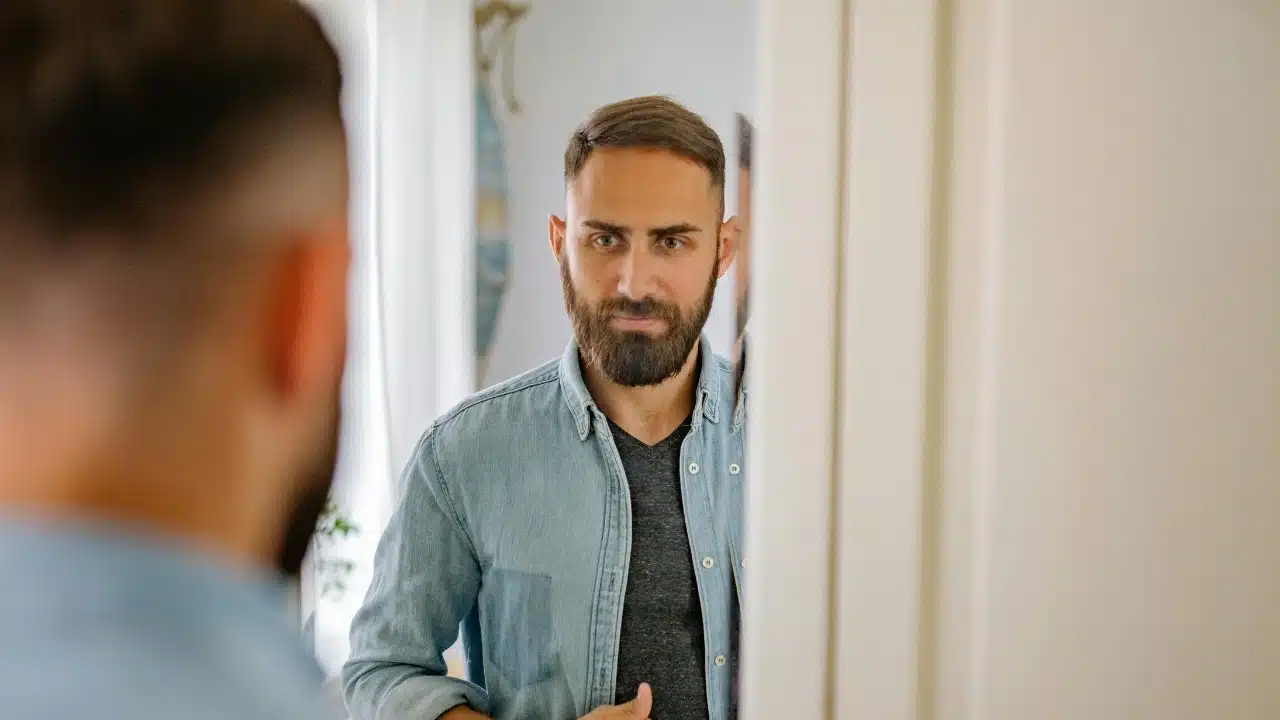
There’s a deep fear that if you admit you’re worried about getting older, losing your hair, or not being “the guy” anymore, she’ll stop being attracted to you. And sadly, some research suggests that men who show “low-status” emotions like humility or sadness are sometimes perceived as weaker by their partners. It’s a catch-22. You’re told to be vulnerable, then punished for it. This is why having a group of guys or a therapist is so vital—sometimes you need a place to be “un-strong” where the stakes aren’t your wife’s attraction to you.
When He Realizes Arguments Won’t Solve Anything

At a certain point, a lot of guys just go quiet. It’s not because they don’t care, but because they’ve realized that speaking up doesn’t change anything. It just leads to a fight, which leads to a headache, and the original problem is still there on Monday morning. The Modest Man points out that this disengagement is a survival tactic. But while silence avoids the fight today, it guarantees the divorce tomorrow. If you’ve reached the “why bother” stage, you’re in the danger zone. You need a new way to fight, not a way to stop talking.
When He Realizes His Silence Has Consequences
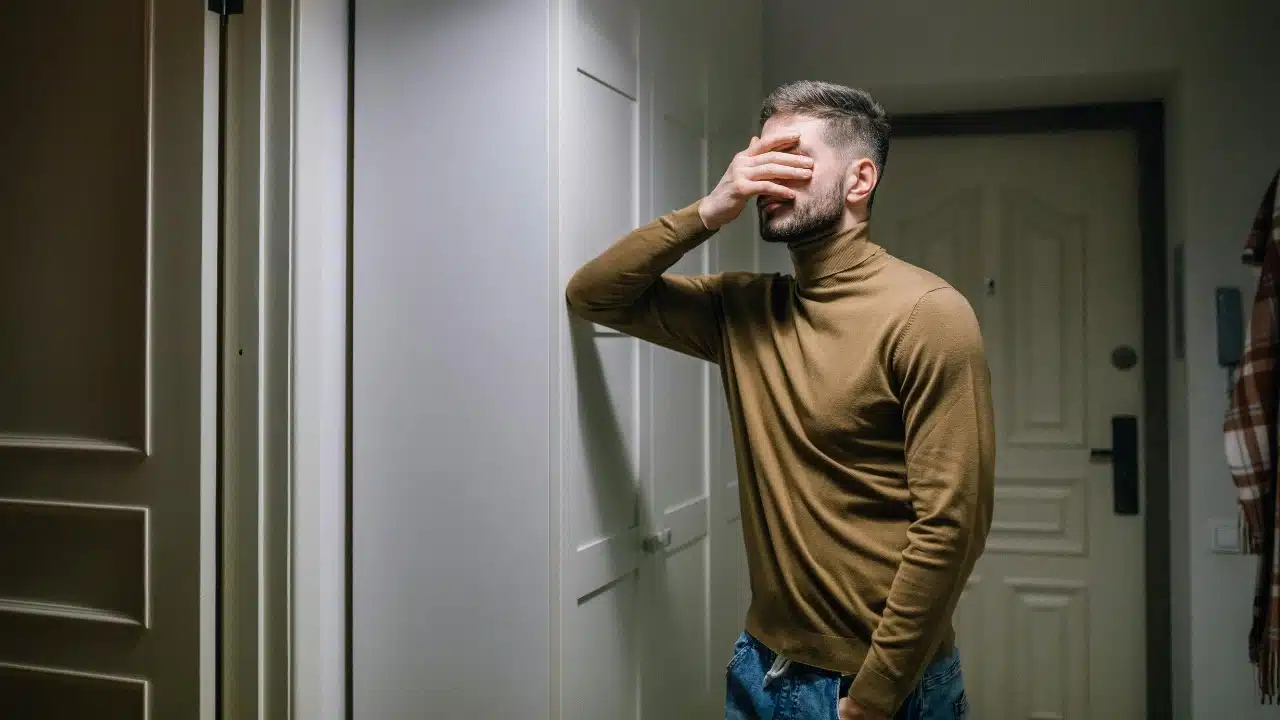
Think about “Bill,” a guy profiled in Psychology Today who was a “great husband” for twenty years—never complained, never fought—and then walked out one day because he was empty. His wife was blindsided. She never even knew what was wrong because he never felt safe enough to tell her. That’s the ultimate cost of the “silence” trap: you lose the marriage anyway, but you do it with a heart full of regrets. Honesty is a massive risk, but as the old quote goes, “The truth will set you free, but first it will piss you off.” If you want a real marriage, you have to risk the “safe” silence for the “dangerous” truth. It’s the only way to actually be known.






Leave a Reply