


Believing that love can automatically change someone is a common misconception. While love can inspire growth, it doesn’t guarantee it. People’s behaviors, habits, and attitudes are shaped by years of experience, personality traits, and emotional patterns. Expecting someone to change simply because you love them puts pressure on both partners. It can create frustration when progress is slower or doesn’t happen at all. Real change requires awareness, willingness, and consistent effort from the individual. Love alone cannot replace personal responsibility. Over time, relying on love as a fix may mask deeper incompatibilities.
Patterns Are Hard to Break
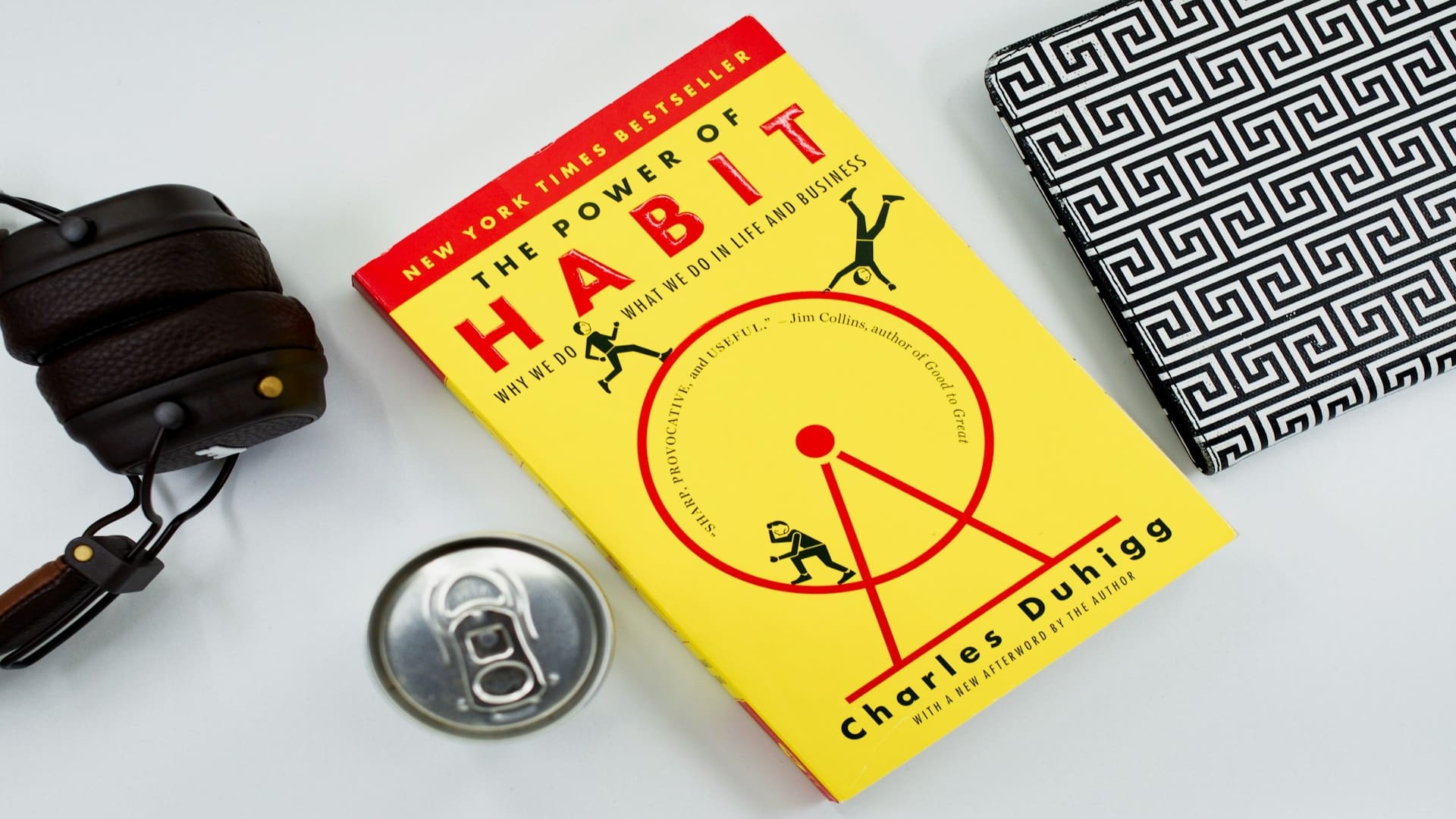
Behavioral patterns often form over many years, making them resistant to change. Even with strong feelings, someone may continue habits that cause friction. Expecting them to change purely out of love can lead to disappointment. Awareness of patterns helps distinguish between temporary adjustments and lasting transformation. Sustainable change comes from intentional self-work, not external pressure. Recognizing this prevents unrealistic expectations. Love can support growth but cannot enforce it. Patience is different from expecting automatic change. Understanding patterns is crucial for relationship clarity.
Change Requires Willingness

No matter how much you love someone, they must choose to grow themselves. Change is only possible when a person recognizes the need and is committed to acting differently. Imposing change externally often leads to resistance or resentment. Awareness of willingness separates realistic expectations from wishful thinking. Encouragement works only if it aligns with personal desire for growth. Love can motivate but cannot replace initiative. Without willingness, promises of change often remain empty. Patience alone won’t transform entrenched behaviors. Understanding this dynamic is key to avoiding frustration.
Love Can Mask Problems

Sometimes love blinds people to ongoing issues. Focusing on affection or shared memories may overshadow harmful behaviors. The idea that love equals change creates tolerance for patterns that shouldn’t be ignored. Awareness of this bias helps maintain perspective on reality. Reflection allows individuals to evaluate behaviors objectively. Love can coexist with serious problems that require attention. Ignoring red flags under the guise of change can be damaging. Emotional attachment should not substitute for assessment of compatibility. Recognizing the difference between love and problem-solving is essential.
Misinterpreting Effort

Small attempts to improve may be misread as genuine change. Occasional effort can create false hope that transformation is underway. Awareness prevents overestimating minor adjustments. Sustainable change requires consistent, repeated behavior over time. Love can encourage effort but cannot guarantee it will last. Reflection helps partners separate hopeful gestures from meaningful progress. Misinterpreting effort can prolong unhealthy dynamics. Patterns must be evaluated, not assumed to be temporary fixes. Real change is observable, not wishful.
The Role of Boundaries

Maintaining personal boundaries is critical when change isn’t guaranteed. Love should not lead to compromising values, safety, or well-being. Awareness of boundaries protects emotional and physical health. Reflection helps distinguish between supporting growth and enabling harmful behavior. Boundaries set realistic expectations for what can be changed. They create space for accountability and self-respect. Love works best in a safe, balanced framework. Without boundaries, patience may turn into tolerance of repeated harm. Respect for oneself is non-negotiable.
Change Is Gradual

Even when change is possible, it rarely happens overnight. Expecting immediate transformation can create pressure and disappointment. Awareness of gradual growth helps maintain patience and realistic expectations. Reflection allows appreciation of small, authentic improvements rather than forcing rapid change. Sustainable behavior adjustment takes time, effort, and reinforcement. Love can support this process but cannot accelerate it. Understanding the pace of change prevents frustration. Relationships thrive when progress is measured, not assumed. Slow, intentional growth is more reliable than sudden promises.
Change Must Be Self-Motivated

True change stems from internal motivation, not external demand. Love may inspire reflection, but personal commitment is essential. Awareness ensures that encouragement isn’t mistaken for control. Reflection helps partners recognize the difference between voluntary growth and forced behavior. Self-motivated change is more lasting and meaningful. Without it, adjustments are likely temporary. Love supports self-driven evolution rather than imposing it. Understanding motivation prevents resentment and unrealistic expectations. Encouragement should empower, not dictate.
Accepting Limitations

People cannot fix everything about their partner. Love does not automatically fill gaps in personality, habits, or values. Awareness of limitations prevents disillusionment. Reflection helps distinguish what is changeable from what is intrinsic. Accepting realistic boundaries protects both partners from frustration. Understanding limits encourages healthier relationships. Love works best when paired with acceptance, not expectation. Attempting to enforce change in unchangeable areas is counterproductive. Recognizing inherent traits fosters clarity and peace.
Compatibility Matters

Even with love and willingness, fundamental incompatibilities may persist. Differences in values, goals, or communication styles can remain barriers. Awareness helps differentiate between negotiable behaviors and core mismatches. Reflection guides decisions on whether the relationship can thrive long-term. Love alone cannot bridge critical gaps. Compatibility is essential for sustained satisfaction. Expecting change to resolve fundamental misalignment is unrealistic. Awareness prevents wasting effort on unchangeable differences. Successful relationships combine affection with alignment.
Change Requires Support

While love alone isn’t enough, supportive encouragement can facilitate growth. Guidance, positive reinforcement, and modeling healthy behavior can help. Awareness ensures support is constructive, not controlling. Reflection helps partners maintain balance between encouragement and expectation. Support works best when welcomed and voluntary. Love amplifies the effect but cannot replace personal responsibility. Encouragement must be paired with accountability. Healthy support fosters sustainable improvement. Balance between love and guidance is key.
Love Doesn’t Excuse Harm

Believing love guarantees change can excuse repeated harmful behavior. Awareness of this mindset prevents enabling abuse or neglect. Reflection helps maintain standards for respect and care. Love should coexist with accountability, not replace it. Accepting harmful behavior in hope of change can be damaging. Boundaries and self-respect remain critical. Love motivates improvement but cannot justify ongoing harm. Recognizing the limits of affection protects emotional well-being. Change is conditional, not automatic.
Red Flags Require Attention

Ignoring red flags because of hope for change is risky. Awareness ensures that recurring harmful patterns are addressed. Reflection helps differentiate between temporary lapses and systemic issues. Love alone cannot eliminate toxic behavior. Recognizing early warning signs allows informed decisions. Boundaries and self-care should be prioritized. Change is possible, but patterns are equally important. Healthy relationships address problems proactively. Awareness prevents wishful thinking from causing harm.
Love Can Be Misleading

Emotional attachment can distort perception of change. People may see improvement where it is minimal or temporary. Awareness of bias helps maintain objectivity. Reflection ensures assessment of behavior is based on consistency, not hope. Love can create blind spots, delaying necessary decisions. Emotional involvement should not replace rational evaluation. Recognizing bias helps distinguish between real progress and wishful thinking. Clarity prevents prolonged frustration. Objective assessment protects both partners.
Change Is a Two-Way Street

Relationships thrive when both partners are committed to growth. Love motivates, but mutual effort creates meaningful progress. Awareness ensures contributions are balanced. Reflection fosters collaboration rather than unilateral pressure. One-sided expectations often lead to disappointment. Mutual engagement ensures sustainable change. Love works best when paired with reciprocity. Partners who evolve together strengthen connection. Shared responsibility enhances relationship resilience.
Avoiding Unrealistic Promises

Believing in love-driven change can lead to unrealistic promises. Awareness encourages honesty about capabilities and intentions. Reflection ensures commitments are grounded in reality. Love should inspire aspiration, not false hope. Unrealistic promises often lead to frustration or resentment. Clear communication protects emotional well-being. Honest agreements prevent disappointment. Realistic expectations align actions with values. Love is meaningful when paired with truthfulness.
Recognizing Temporary Changes

Short-term improvements may not indicate long-term change. Awareness distinguishes temporary adjustments from true transformation. Reflection prevents misinterpreting short-term gestures as permanent. Love may amplify optimism, but assessment requires consistency. Recognizing temporary changes protects from repeated cycles of disappointment. Sustainable change requires time, effort, and accountability. Awareness prevents reliance on fleeting improvements. Patience must be paired with observation. Real change is measured by durability.
Focus on Actions, Not Hope

Change is driven by observable actions, not wishful thinking. Awareness of consistent behavior helps determine whether growth is genuine. Reflection ensures decisions are grounded in reality rather than hope alone. Love can inspire effort but cannot replace responsibility, accountability, or self-awareness. Assessing actions rather than intentions prevents prolonged frustration. Sustainable relationships require balance, clarity, and mutual commitment. Focus on what is actually happening, not what might happen. Real change is intentional, observable, and shared.










Leave a Reply