


We are currently witnessing a historic shift in social dynamics: more men are living without long-term partners or close-knit social circles than ever before. While the conversation often focuses on dating apps or “incel” culture, we rarely address the clinical reality of this isolation. As a biological species, humans are “hardwired” for connection; when that connection is severed, the male body enters a state of chronic defense. Without the “biological shield” of a partner to act as a co-regulator, isolated men face a unique physiological decline that is as damaging as heavy smoking or obesity.
The 15-Cigarette Comparison: Loneliness as a Toxin

The United States Surgeon General has reportedly linked the effects of isolation on health as equivalent to the damage caused by smoking 15 cigarettes a day. This indicates loneliness is just as lethal as smoking for men. Staying alone raises the probability of premature death among men by 30%.
Chronic Cortisol and the “Survival State”

With nobody to lean on emotionally or physically, there is a spike in stress levels which could have been averted with physical touch or emotional sharing. The cortisol, stress hormone levels are at dangerously and chronically high levels. Stress keeps their body in a constant metabolic “survival mode.”
The Cardiovascular Toll: Heart Health in Isolation

Social isolation among men puts them at a higher risk for cardiac disease and chances of stroke. Without a spouse for emotional or moral support, which if present would encourage healthier habits, an emotionally available and supportive partner provides the “oxytocin buffer” against stress. When a man is on his own through grief and sorrow, his cardiac muscles become weakened gradually, and in case of a cardiac event recovery rates are lowered too.
Systemic Inflammation and the CRP Marker
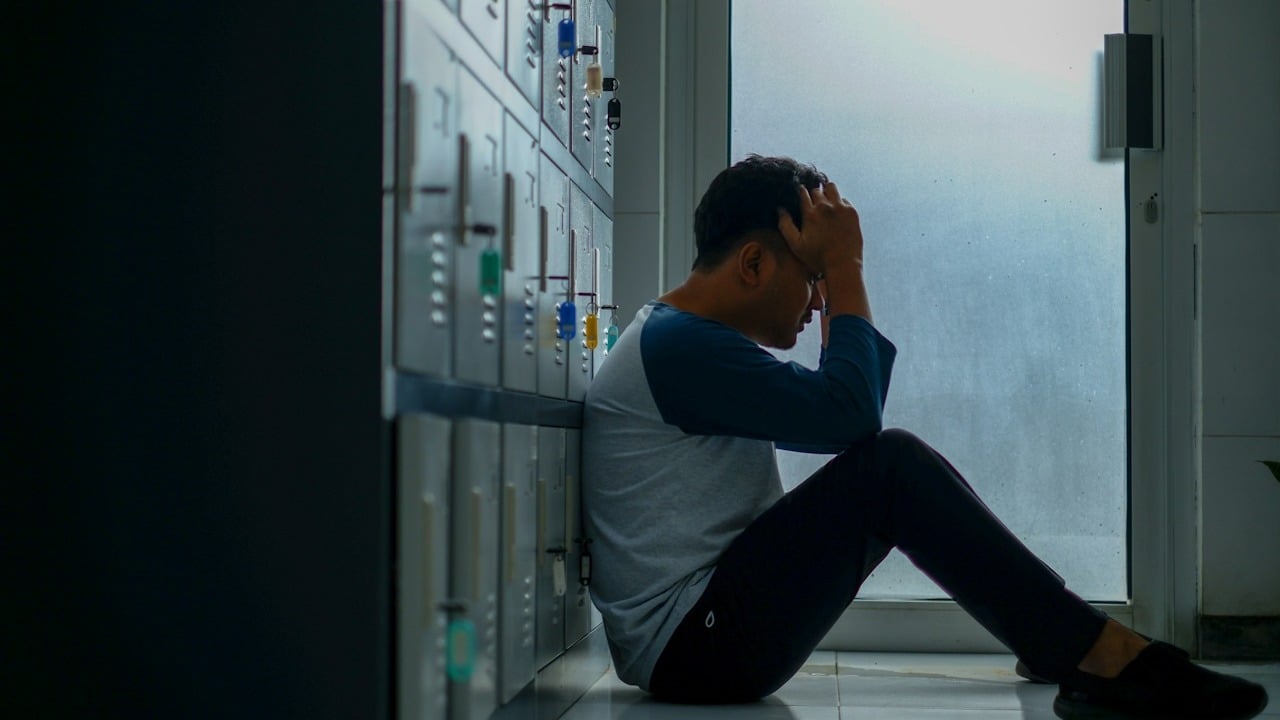
Higher levels of C-reactive protein (CRP) are seen in the bloodstream of single men who lack deep and meaningful social connections. CRP indicates underlying inflammation in the body. Loneliness takes a toll on men’s overall health with chronic inflammation as one key impact, which becomes the root cause for so many other diseases from cardiac failure to cancers,
The “Protective Spouse” Effect: Why Men Die Sooner After Loss

Men have for long relied on their spouse to take care of their health needs and monitor their blood pressure, sleep schedule, or medicine intake. A well-documented phenomenon observed among men who lose a spouse to death or divorce is the way there is a drastic and sudden decline in their overall health after the loss.
Sleep Fragmentation and the Lack of “Safety”

Humans crave human touch.Men in isolation have interrupted or fragmented sleep as with no partner to embrace and hug to feel safe, their brain remains in a state of “vigilance.” The nervous system is never relaxed. It struggles to enter the deep, restorative phases of REM (rapid eye movement) sleep.
Testosterone Decline and the Social Feedback Loop

Testosterone is a vital hormone beyond mere sex drive; it is essential for metabolic and cardiac health.Long periods of isolation have been associated with a “down-regulation” of this male hormone. This reproduces symptoms like lethargy, excess weight gain, and pushes the man into further emotional withdrawal.
Cognitive Decline and the “Brain Without Stimuli”

The prefrontal cortex, the planning and decision-making centre of the brain thrives on “mental compatibility.” In the absence of consistent, intellectual and emotional engagement with a like-minded partner or spouse such men suffer from rapidly deteriorating cognitive function. Social withdrawal has been observed as the leading risk factor behind early-onset dementia among single men.
The Nutritional Void: “Eating for One”

Being single naturally means poor nutrition among men. Without a caring spouse or family unit to share meal time with, men end up depending on ultra-processed, easily accessible foods. This carelessness in eating habits culminates in metabolic syndrome and diabetes.
Weakened Immunity and the “Natural Killer” Cells
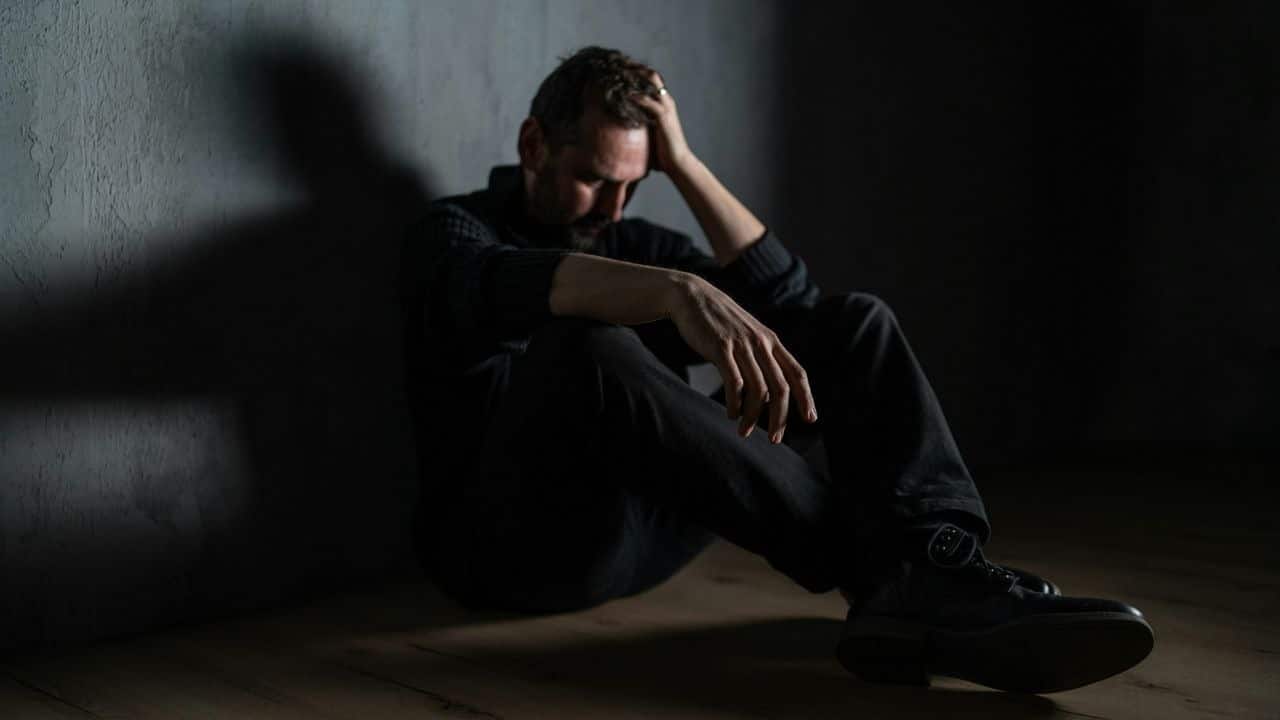
The immune system is the system most negatively hit by social isolation that comes with singlehood among men. Such men have a lowered number of “Natural Killer” cells or various types of white blood cells. This lowers their immunity and puts them at a higher risk for bacterial or viral infections. Also, they become poorly responsive to essential medication or vaccines needed for any medical treatment.
The Mental Health “Black Hole”: Lack of Co-Regulation

Men often develop anxiety or depression as a result of suppressing their emotions for too long. When a man has a life partner that makes them feel safe to be vulnerable and expressive, they feel better after catharsis. However, when they are single they keep bottling up emotions to the detriment of their mental health.
The Risky Behavior Trap: Seeking a Dopamine Fix
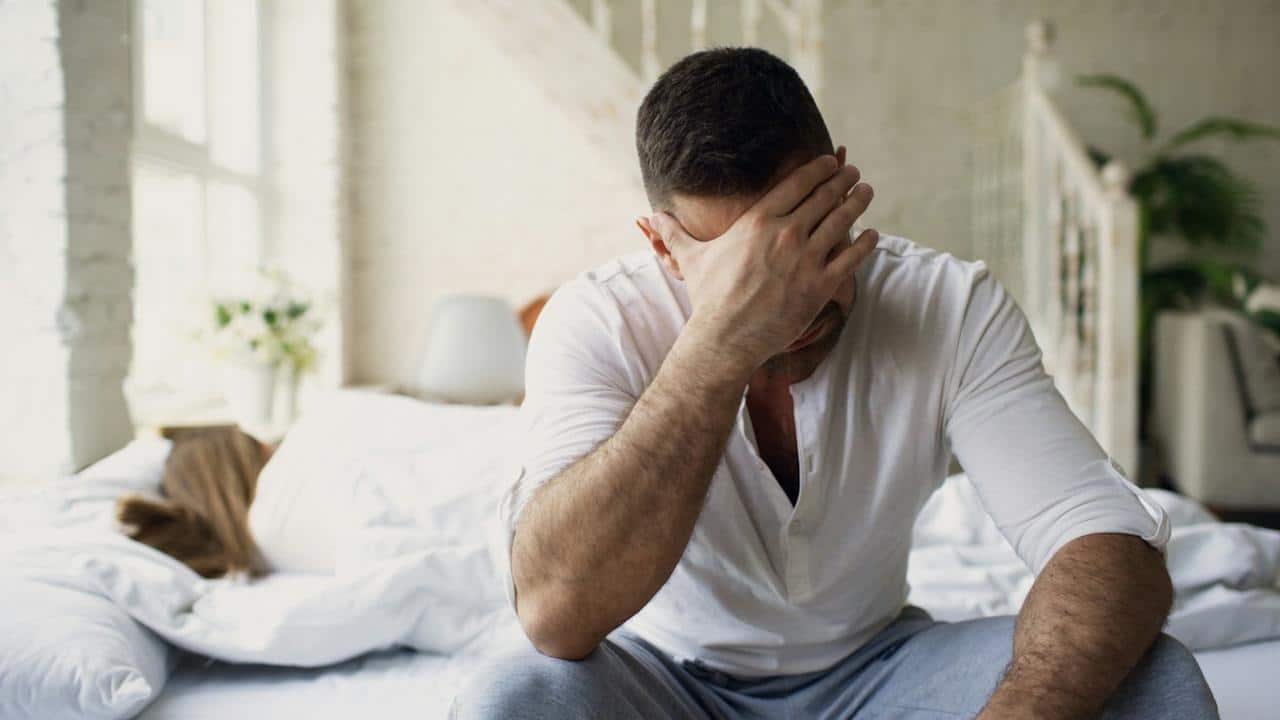
A steady and healthy partnership ensures a steady and healthy level of oxytocin (the bonding hormone) and serotonin (the happy hormone). When the safety of a partnership is missing men may turn to reckless hobbies or behaviors to get the dopamine boost, like gambling or clubbing or even self-medication to cope with the pain of loneliness.
Telomere Shortening: Aging at the Cellular Level
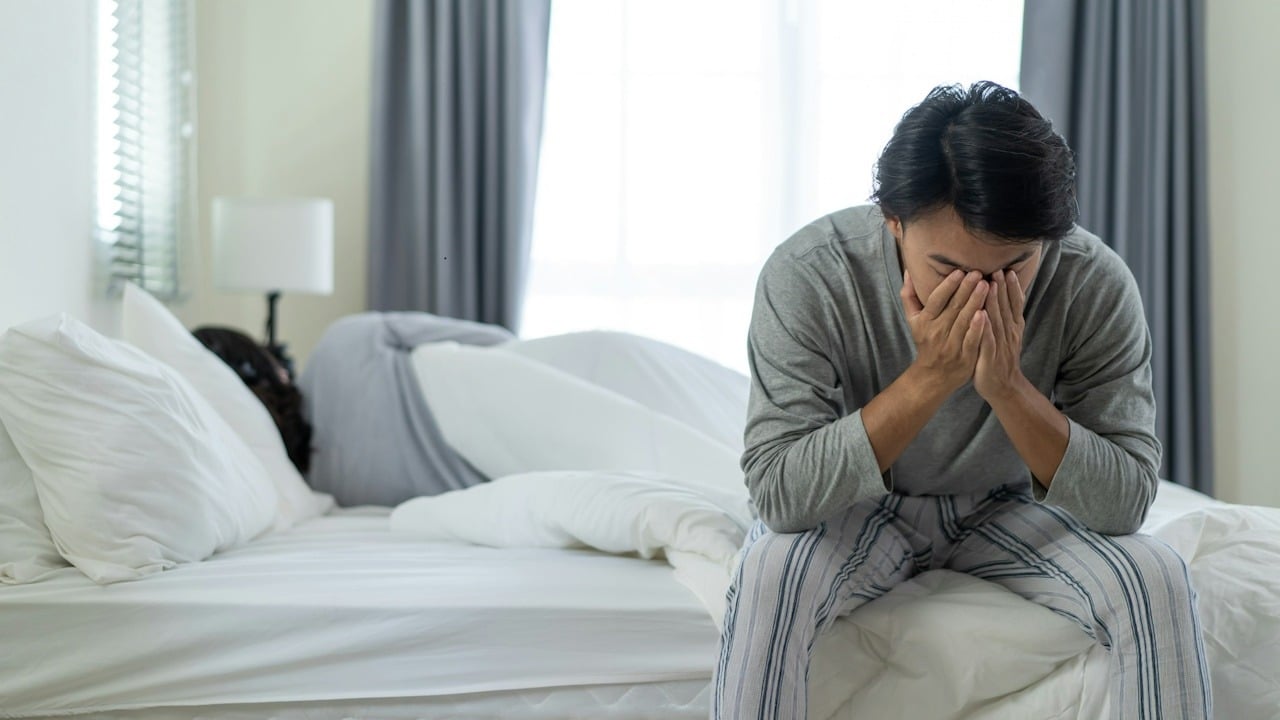
Chronic social stress can negatively affect our DNA structure. Single men with depression demonstrate shorter telomeres, meaning the process of cellular aging is happening at an accelerated rate compared to that in happily married or connected counterparts.
The “Deaths of Despair” Connection
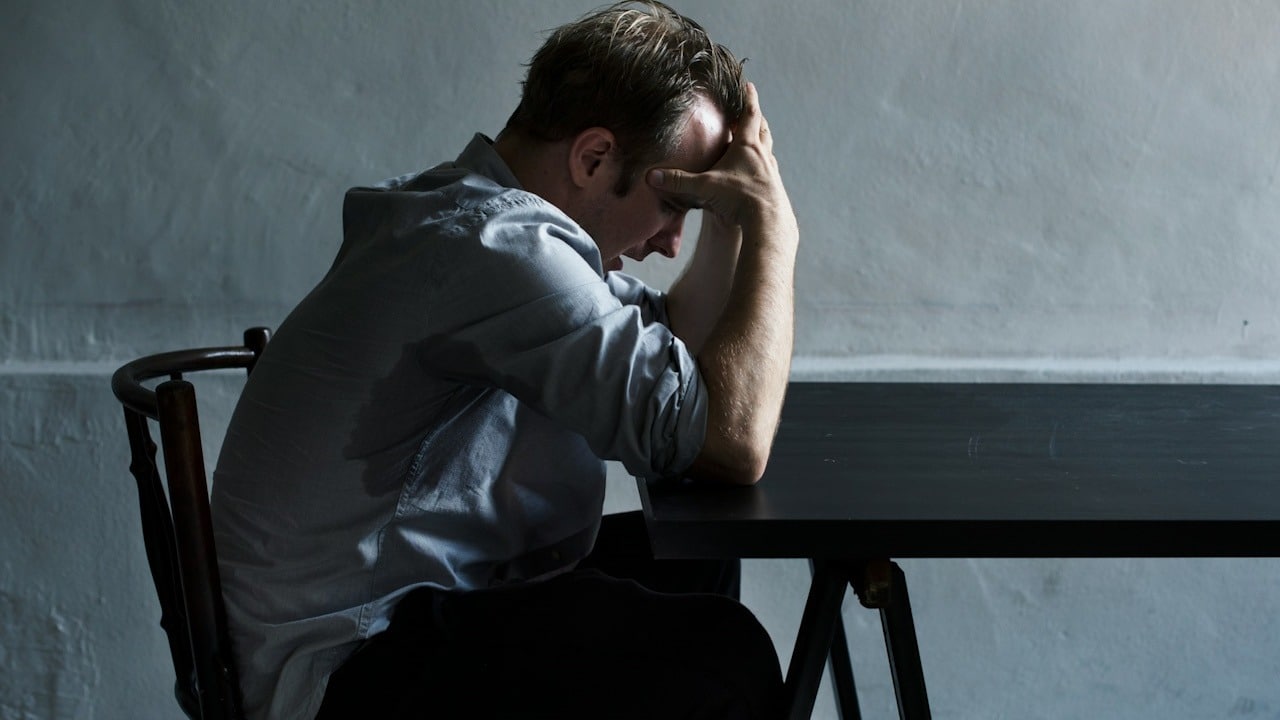
There has been a rise in the rate of suicide and substance abuse among depressed single or divorced men or men who are trapped in emotionally isolating marriages. It won’t be wrong to say men thrive when they have domestic stability and the “Single Man Crisis” isn’t just a social trend it is the root cause behind declining male lifespan.
The Loss of Purpose and “The Will to Live”

Clinically, men feel better when they fulfill their “provider and protector” roles. When they end up alone they lose that sense of purpose in life which demotivates them to stay resilient, healthy and sometimes even lose the will to live when struck with a physical ailment.
Final Thoughts

The “Single Man Crisis” is a more serious issue than you may imagine. It not just impacts a man’s worldview on life, his will to live or the way he takes care of himself, but isolation also has many physiological and psychological implications. Humans are social animals and we need human companionship to feel content and happy. Without deep connections, a fundamental biological need, a man is bound to lose his desire to stay healthy. The single man crisis reduces longevity in men.
Millions of single men face growing health risks. These overlooked habits and challenges may quietly reduce longevity and overall wellbeing.
Follow us for more updates on men’s health, relationships, technology, and fashion.









Leave a Reply