


The institution of modern Marriage is quite different from our parents’ outdated version of marriage. Men and women alike now see each other beyond the conventional gender roles, cultural expectations, and timelines that once seemed binding are now being modified by couples. They want more equality, emotional depth, shared goals, mental compatibility, mutual compromise, and mutual growth as time passes. Marriage now is not a decision under societal pressure rather a deliberate choice. Here are 15 surprising ways marriage is evolving, from traditional roles to greater emotional intimacy.
Marriage is No Longer a Pressure

In the past couples buckled under the societal pressure associated with marriage which made marriage necessary for them by a certain age. Now the dynamic has changed. People marry not because they feel pressured to but because they consciously choose to. It’s definitely a step in the right direction as it saves misaligned value systems from colliding.
To Modern Couples Equality Matters More

Marriage is evolving from the traditional mode defined by rigid gender roles towards a somewhat balanced dynamic. Couples now seek compatibility at emotional, financial, and domestic levels. Neither partner holds the power solely in their hands, rather they share authority and go ahead with mutual decisions. This prevents power struggles and establishes a healthy balance.
Emotional Connection Is a Priority

The past determinants of a successful marriage, that is status and survival, are outdated prerequisites now. The modern generation sees marriage as a union founded on emotional connection and intimacy. They enter the bond with awareness and intention. They connect over shared values, shared personality traits and aligned thoughts.
Waiting Before Marrying is Not Odd Anymore

The priorities have witnessed a clear shift now, youth are more focused on educational excellence, career growth, and self-discovery. This gives them the time required to develop the emotional maturity to enter a marriage. They deliberately delay marriage to fulfill other spheres of their life first.
Women are More Independent Than in the Past
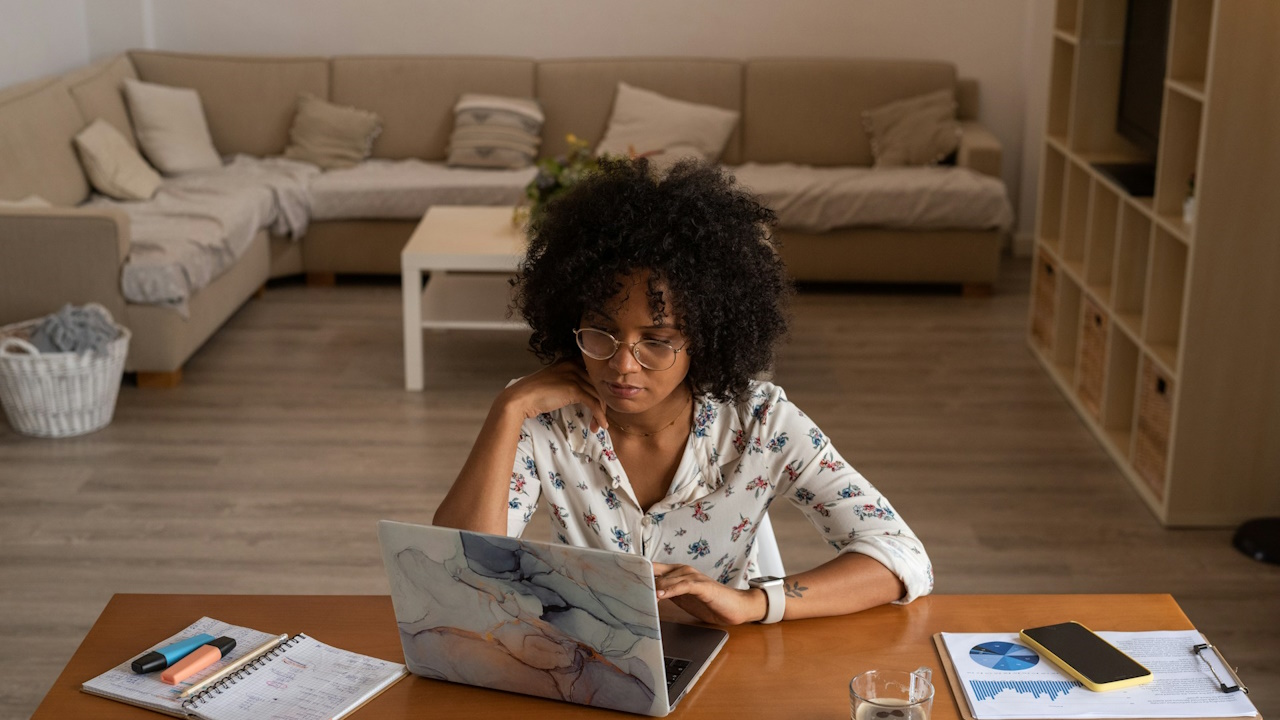
Modern women value their independence and individuality over shallow companionship. They work hard to accomplish personal goals and become emotionally, professionally and financially empowered before they commit. This makes them not settle for anyone less.
Modern households Thrive on Dual-Incomes

Men are not seen as the sole financial provider for the family or the women as sole homemakers. Nowadays, financial partnership and dual incomes have become the norm, replacing the outdated traditional notion. Modern marriage thrives on teamwork and places a shared responsibility on both spouses.
More Focus on Open and Transparent Communication
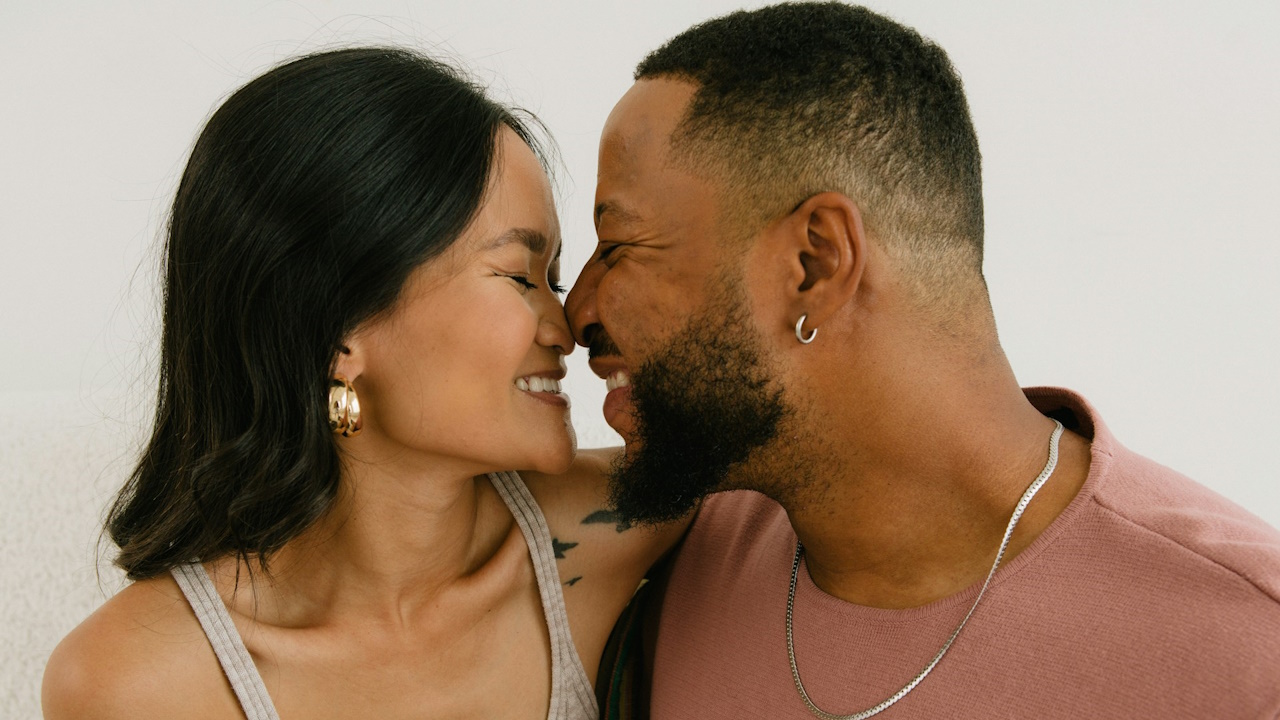
Open communication was a rarity amongst spouses in the past. Now couples are starting to promote open communication instead of forced silence for transient peace. This shift has served to keep love sustained in the relationship. Transparency ensures sustainability.
Therapy is Embraced as a Solution During Conflicts

Couples counseling was previously considered taboo. Now married couples see personal growth goals and counseling as a source of strength and reinforcement. Modern couples know the significance of emotional maintenance in sustaining a healthy marriage. They seek therapy when things don’t seem to be working.
Technology Has Impacted the Way Couples Connect

With digitalisation new modes of communication like texting, video calling, etc. have established a point of contact between long-distance relationships the absence of which was a huge reason behind failure of long distance marriages in the past. Digital intimacy is an inseparable part of the modern marriage experience.
Parenting Roles are Less Rigid Now
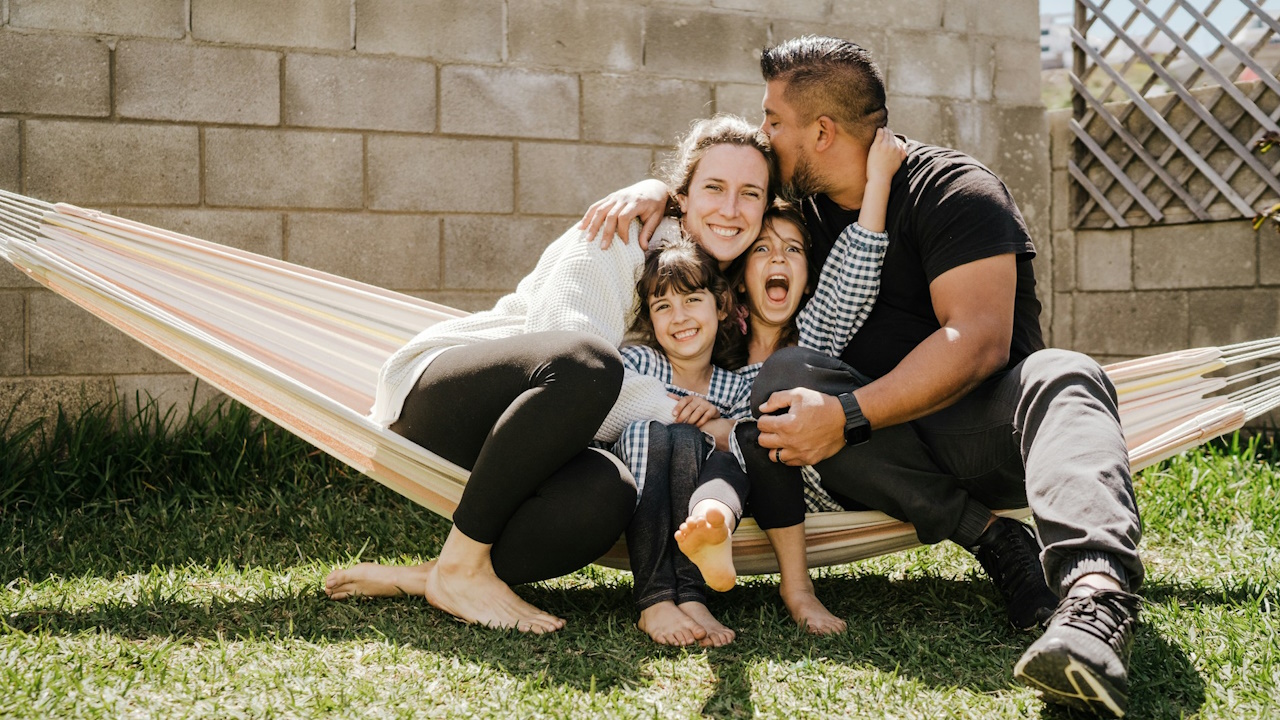
Mothers in the past were considered the default caregivers and nurturers for the children. In the current era of equality, married couples are more than happy to share responsibilities regardless of stereotypical gender roles. The fathers play their part too in parenting now. This has helped women pursue their professional aspirations, career goals, and academic objectives. Modern couples see parenting as a shared responsibility.
Conventional Expectations are Disappearing
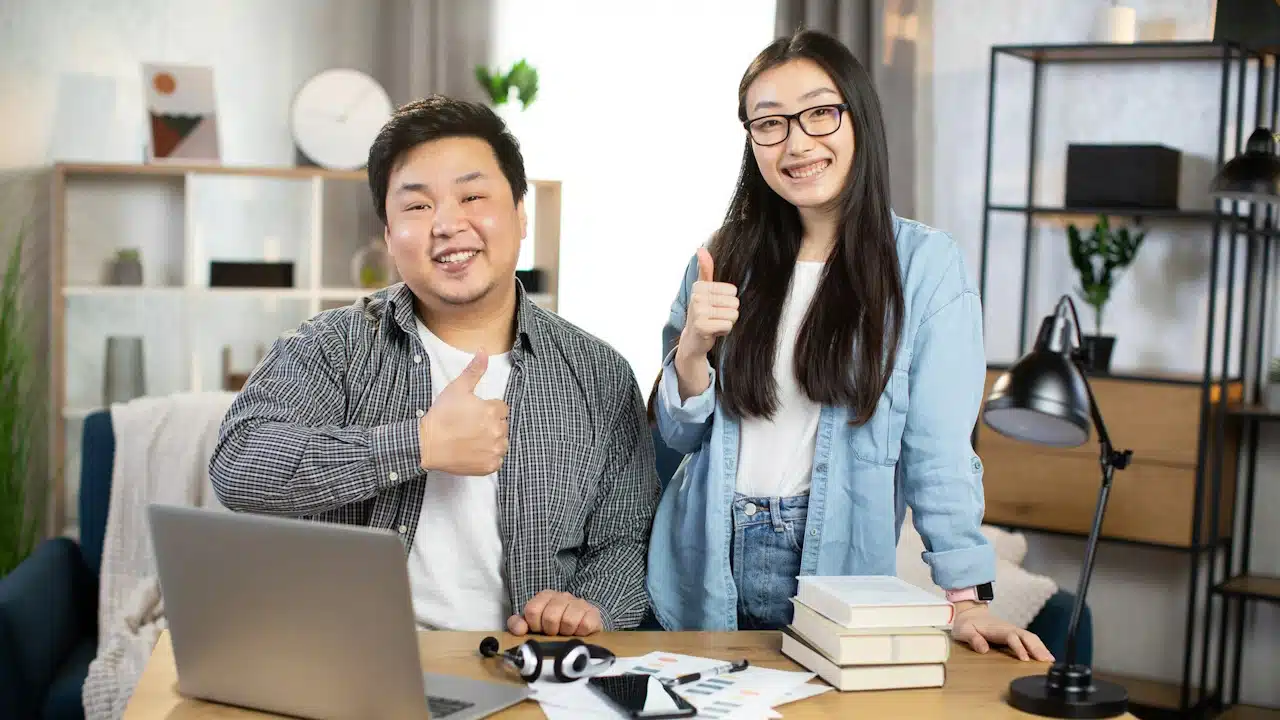
Modern couples set their own rules in marriage. Whether it’s about domestic work, decision making, or financial management in the household they are on the same page as equal stakeholders.
Nontraditional Family Setups are Common Now
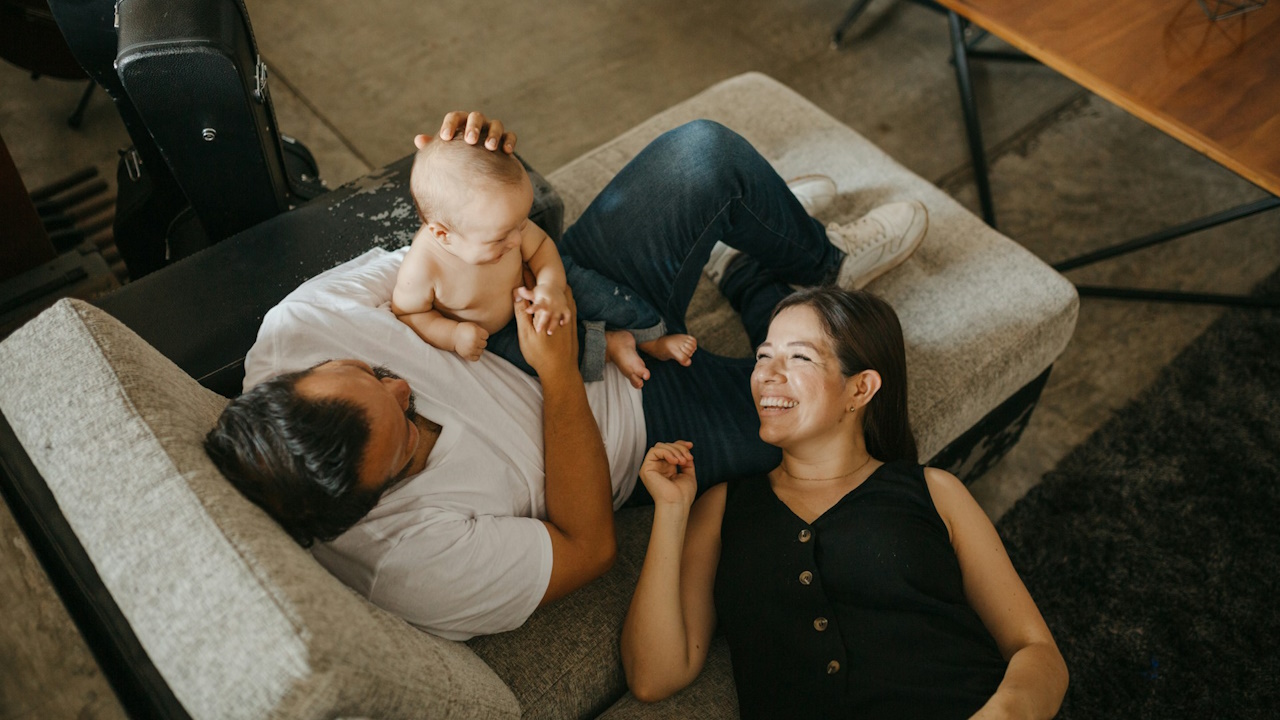
Families with nonconventional structures like stepfamilies, second marriages, and co-parenting, are quickly becoming the norm in the modern relationship dynamics. It shows a more flexible outlook regarding marriages and relationships, which is a positive sign.
They Recognise the Fallibility of Marriages

Couples do not stick together just because they are scared of society. Modern couples know not all marriages can stand the test of time. They recognise staying in an unhappy relationship is way wu healthy and a better alternative is to amicably part ways when things do not work out between them.
True Companionship Is a Priority

Companionship has slowly become a prerequisite for marriage, where people seek out compatibility with potential spouses. This test phase gives them an insight to predict where this friendship would lead to.
Marriage and Growth Go Side by Side
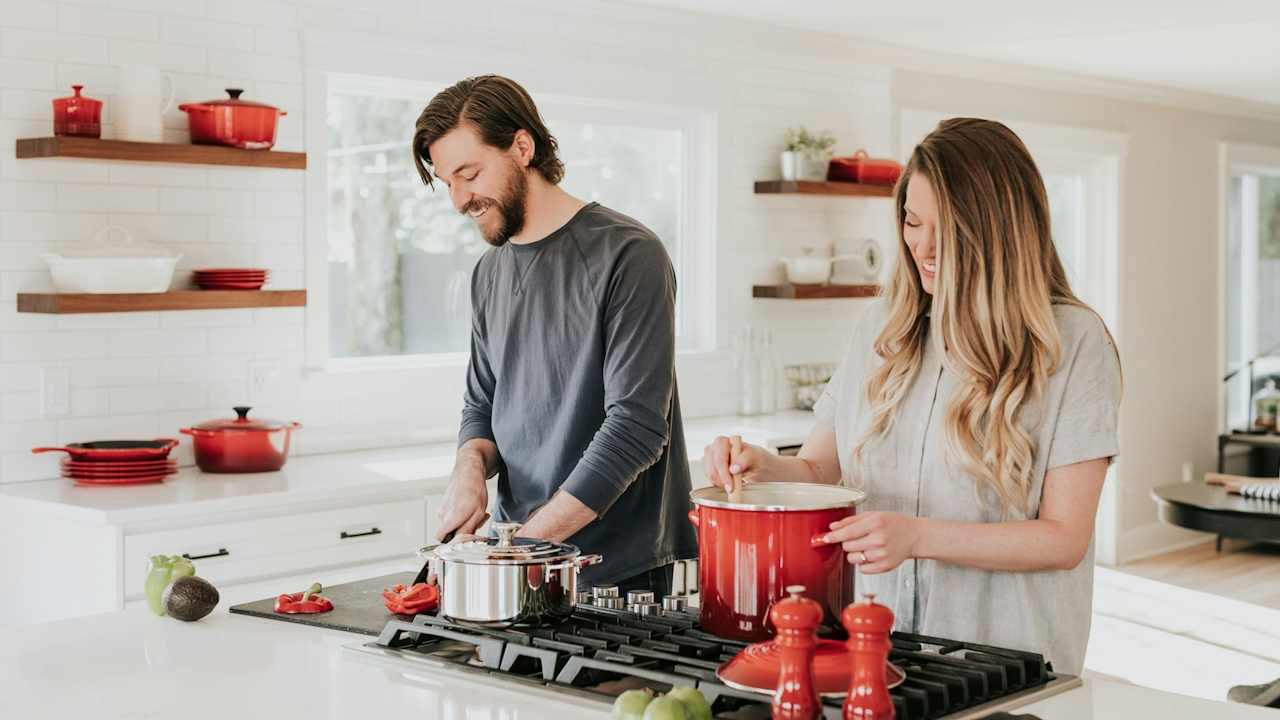
Marriage was once celebrated as security and stability in life, with growth never given a precedence in the past. This led people to rush mindlessly into incompatible companionships, couples of the current era know marriages must be founded on shared goals and mutual growth mindset. Life is not static, it’s dynamic, and it keeps evolving, so do relationships and humans.
Final Thoughts
The surprising ways modern marriage has evolved are a testament to the progress humans have made at relationships management and sustainability. Past marriages were simply contracts filled with rigid expectations. However, now modern marriage has become a bond that isn’t bound by tradition, it has mutual respect, emotional connection, and shared purpose as the foundational pillars. When two right people whose objectives, ideals, and interests align enter a marriage beautiful things can happen.


Leave a Reply