


Every individual has a unique set of qualities that shape their entire personality and how they connect themselves as romantic partners. As tempting as it may seem to label any one type problematic, the downside of it is you lose trust in every woman who may possess any one of these attributes. Many of these behaviors are associated with coping mechanisms and defense strategies they had inherited from their upbringing or acquired through their life experiences and unhealed trauma.
Here are 13 archetypes that relationship experts identify as potentially difficult partners.
The Perpetual Critic: When Nothing is Ever Good Enough
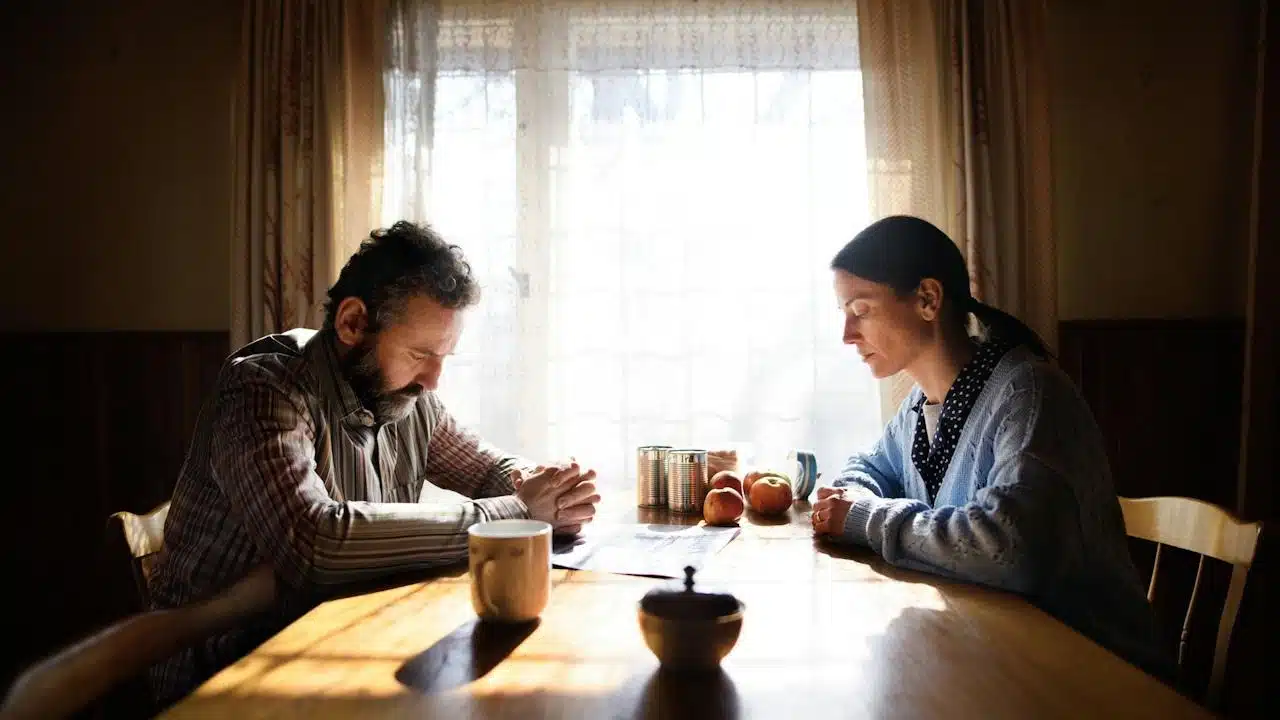
The chronic nagger or critic makes a terribly emotionally draining life partner.
You can survive a day or two of difference of opinion, but constant bickering that just won’t stop? Who in their right mind wants that to be their every day for the rest of their life.
Life with a woman who is cynical and pessimistic never fails to find the negative in even the most positive of events. Picture yourself returning home happy over a successful project delivery at work, only to get your excitement dampened by her. What’s the big deal in it, I work too.
Even at home, you do the dishes to help them. They end up correcting you about how you shouldn’t have used the dishwasher for that particular dish.
The home feels like a school, as you share less of a romantic and more of a student-teacher kind of bond.
The Emotional Fortress: The Struggle with Vulnerability

Communication is critical for a happy relationship.
A woman who is not willing to be vulnerable, with walls around her heart, would make deep conversations only a dream.
All your efforts to penetrate the walls around her emotional world only culminate in conflicts, silence or even sarcasm as a way to deflect heart-to-heart conversations, which prevents the development of emotional depth.
Despite having the empathy to understand that behind the facade of strength lies a fragile heart that just wants to defend itself from breaking, when it keeps happening for too long, you get too overwhelmed to continue with the emotional isolation despite being with someone.
Deep emotional connection becomes impossible when vulnerability is always avoided.
But emotional distance isn’t the only relationship strain that builds over time.
The Relationship “Scorekeeper”

The worst kind of partner is the one who makes the relationship feel less like a partnership and more like a competition.
A score-keeping partner will bring up past grievances and perceived imbalances in every new argument that arises. They never mentally close the loops.
Inability to get over past hurts keeps the old wounds from healing completely and the new emotional wounds add to the stress and resentment festers, while they are just focused on winning the fight even if it’s at the cost of their connection.
Every disagreement becomes another point added to an invisible scoreboard.
The Perfectionist: The Burden of the Ideal

The Perfectionist wants everything her way. Your attire needs a fix, your romantic gestures must be well-planned, your surprise on her birthday has to meet her standards.
She doesn’t just want a good life, she wants a meticulously curated perfect one, and you end up trying every day to perform your role in a script you never signed up for. A misstep here or a little slip there, and you fall short of their very unrealistically high expectations.
Over time, you may lose your sense of self-worth as you tether it to her approval. Her disappointment starts to feel like a personal failure.
Trying to meet perfectionist expectations can slowly erode your sense of self-worth.
The “Fixer” Who Sees You as a Project

Now comes the overcorrecting one. She can’t help being the Fixer which makes her presence too controlling, as she views you as “her work in progress” not an equal partner in decision making.
She micromanages all aspects of your life, your professional decisions, your health, or even your friend circle.
This unknowingly sends you the message that you are not intellectually or emotionally competent enough to make your own life choices. This kind of dynamic instills feelings of inadequacy and insufficiency in a man.
Being treated like a project instead of a partner slowly damages confidence.
The Drama Magnet: Seeking Stability in Chaos

Here comes the ultimate drama queen, she is psychologically addicted to chaos and drama. A few days go by and she craves drama so badly she intentionally stirs the pot to derive satisfaction.
She wants to feel in control and what better way to ignite an emotionally charged argument or dispute and always have a crisis at hand to manage? The collateral damage? Your mental health.
Being stuck in an emotionally turbulent relationship like this can start to feel too overwhelming. She attracts drama wherever she goes.
Living in constant emotional chaos slowly drains your mental health.
Sometimes the tension isn’t explosive chaos, but quiet dissatisfaction.
The Comparison Addict: Looking at Everyone Else’s Grass

The modern digital era has led to endless comparisons as celebrities, influencers or even regular couples post their most intimate and happy moments online. A chronically dissatisfied soul that gets triggered by seeing others happy and focuses only on what she lacks in her relationship with you makes a terrible partner.
She overlooks all the goodness you bring to the table. To her the grass is always greener on the other side of the fence.
She stays stuck in the comparison trap which sucks the joy out of your life as she is impossible to please. Your entire energy is exhausted on making her feel content.
Constant comparison quietly removes gratitude from a relationship.
The Financial “Ghost”: Secrecy Over Money

Financial transparency is the ultimate cornerstone of any healthy connection. A woman who maintains secrecy around finances, whether it’s her spending, hidden debts or a secret account she doesn’t want financial intimacy to be a part of the dynamic.
Leading separate financial lives while being in a relationship reveals a lack of trust. And a trust once broken is hard to repair. This kind of betrayal threatens the security of the relationship.
Financial secrecy can quietly damage trust in a relationship.
The “Always Right” Debater

For this type, their ego matters above anything else. They value being the winner in every argument.
Prioritising being right over your connection shows where you stand in their life. Without ever being heard and understood, life with a partner whose sole goal is intellectual dominance becomes a living hell.
Winning the argument becomes more important than protecting the relationship.
The Passive-Aggressive Communicator

Clear communication is the essence of a happy bond. A deficit of openness replaced instead by passive-aggressive jabs, insults under the garb of jokes or silent treatment to convey grievances, undermines the element of emotional security in a relationship.
Saying loud and clear, “I am hurt”, hurts their ego. To them the best way to resolve a conflict or to suppress your voice is through emotional manipulation tactics.
A relationship that fails to provide you emotional safety makes you bottle up your emotions often to the detriment of your emotional well-being.
If you’re constantly walking on eggshells around them, is the connection even worth your emotional investment?
Passive-aggressive behavior slowly replaces honest communication.
The Jealous Sentry: Love Without Trust

While a little bit of protectiveness may feel cute and harmless, the Jealous Sentry goes overboard in her jealousy making you feel like your every move is being recorded and monitored.
She ends up obsessively checking your phone, your personal laptop, limits your interactions or even asks you to share your live location. She is quite figuratively constantly breathing down your neck 24/7.
Suspiciousness destroys trust. It slowly pushes you away from them.
Extreme jealousy can slowly turn protection into surveillance.
And sometimes the biggest challenge in relationships isn’t jealousy, but accountability.
The Default Victim: Avoiding Accountability
A woman who has a victim complex will always be the oppressed one in every conflict you will ever have. Mentally, she has accepted herself as the Ultimate Victim. She reaches her workplace late, it is either your fault or the traffic’s fault.
She believes she is free of flaws. She totally lacks the emotional capacity to self-reflect and hold herself accountable for the events in her life.
She delegates the entire emotional responsibility of fixing the cracks in the connection to you, even if it means accepting a blame which was never your fault to begin with or else peace stays elusive.
When accountability disappears, emotional exhaustion begins to take over.
The “Me-First” Growth Mindset

Personal growth is important but when a woman puts behind her relationship with you and your needs, to pursue her dreams, goals and excludes you from her future vision this shows where her priorities lie.
She relocates without including you in the decision making or schedules a work trip and you are the last person to know and many other such micro-insults slowly make you feel like a stranger in your own home.
A healthy union values mutual growth, clear communication and shared decision-making in the best interest of the relationship.
A partnership struggles when only one future is being planned.
Can These Dynamics Be Fixed?

Labeling one type or another as problematic is an easy solution to escape from the responsibility of making your efforts in fixing the dynamic. With an intention to understand, empathize and grow together you can work together as a team to fight the problem, not your partner to repair the brokenness in your relationship. If your partner is willing to work on themselves for the sake of your relationship, encouraging them to seek counseling would smooth the process of self-rectification.
Healthy relationships are not about perfection, but about awareness and willingness to grow.
Recognizing these patterns early can prevent years of frustration.
Which of these patterns have you faced in relationships?









Leave a Reply