


Love with an emotionally secure person feels different, it’s gentle, calm, and uplifting. Some people raised in hostile or unloving environments may develop deep insecurities and unhealthy attachment styles or toxic coping mechanisms. These unhealed traumas spill into their romantic relationships in future. Since building walls around their heart was a survival mechanism they learned, they come across as extremely difficult, unpredictable or confusing partners. Here are 15 signs you have fallen in love with a love deprived man, and why understanding the psychology behind his patterns may help improve things.
Mistrust in Genuine Kindness

A love-deprived man is extra cautious about who he trusts, and these trust issues may be even extreme. He inadvertently doubts even the genuinely kind behavior meted out to him by his partner. He subconsciously questions her intentions. .
High Emotional Walls

Many emotionally deprived men have difficulty letting their emotional guard down in front of anyone. Such a man wants to protect his heart from breaking. He doesn’t open up about his vulnerabilities, fears and weaknesses even with the person he may deeply love. This lack of mutual trust can damage his emotional connection with his partner.
Overthinks Small Moments
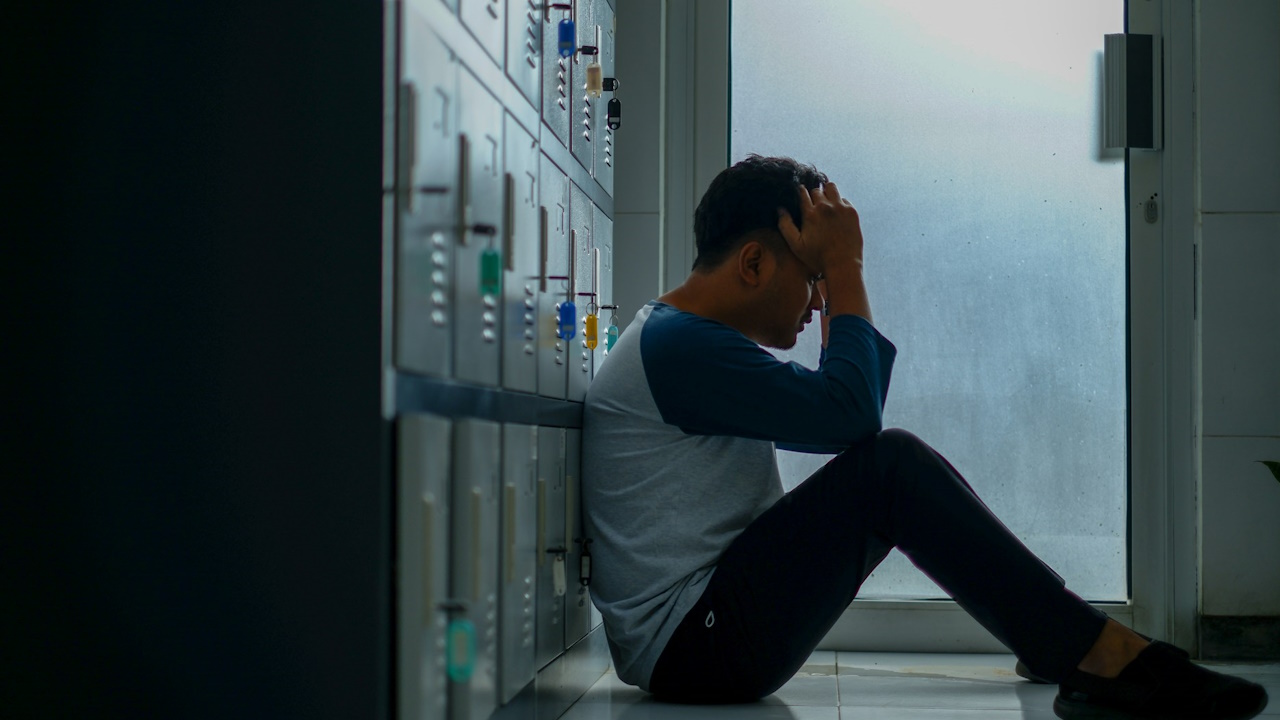
He is an overthinker, even small shifts in mood send him into a spiral of overthinking. A message reply didn’t come instantly, a slight shift in his partner’s mood etc. seemingly small moments can induce intense anxiety and fear of abandonment in him. He assumes the worst that maybe something has gone wrong. His anxious attachment style makes him rely heavily on constant reassurance. This behavior shows he grew up devoid of unconditional love.
Over-Apologizes Without Any Reason
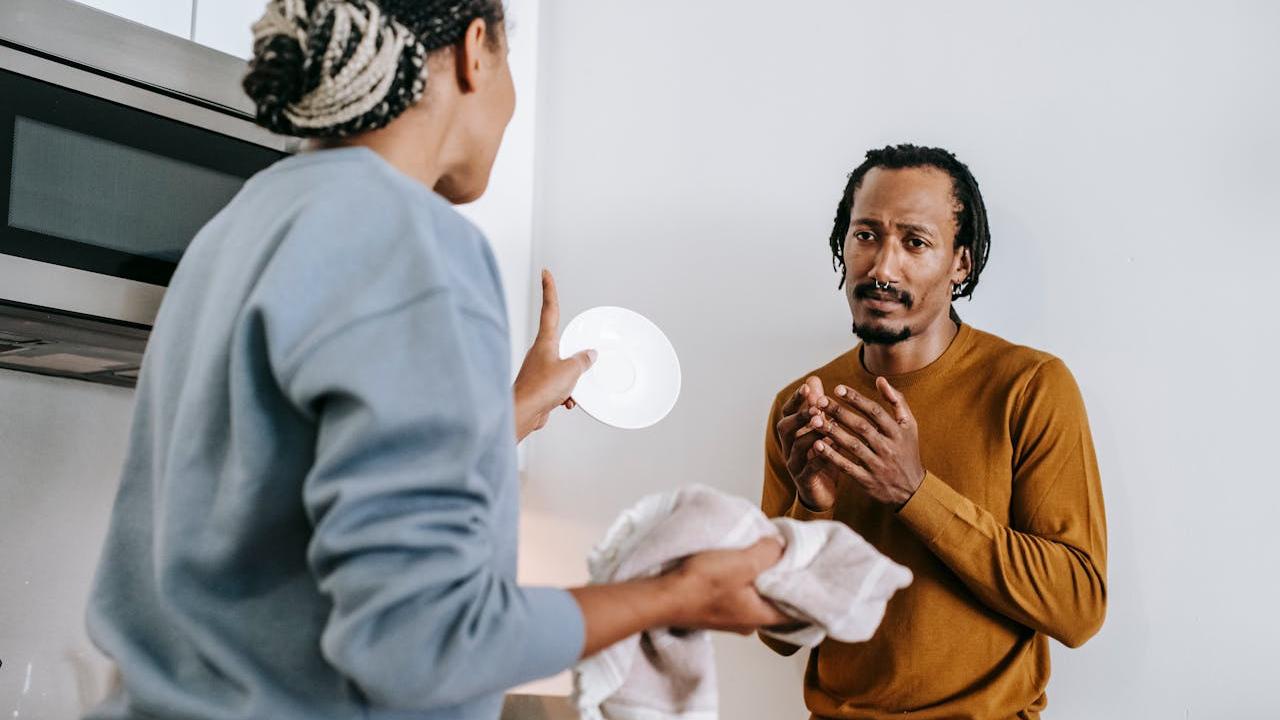
Love-deprivation from parents or guardians may manifest as these individuals feeling like they are too much. A small mistake may make them apologize excessively, making their partner feel awkward. They grew up feeling like a burden, someone who was unlovable so they seek other’s approval all the time.
People-Pleasing Tendencies Show Up In Romantic Connections

He may have worked really hard, being the well-behaved good boy in order to be liked and loved. Unconditional love was something he never received. This childhood experience taught him to chase approval to feel worthy of love. He is a chronic people-pleaser, and he ties his self-worth and mood to his partner’s approval.
Deep Fear Of Abandonment
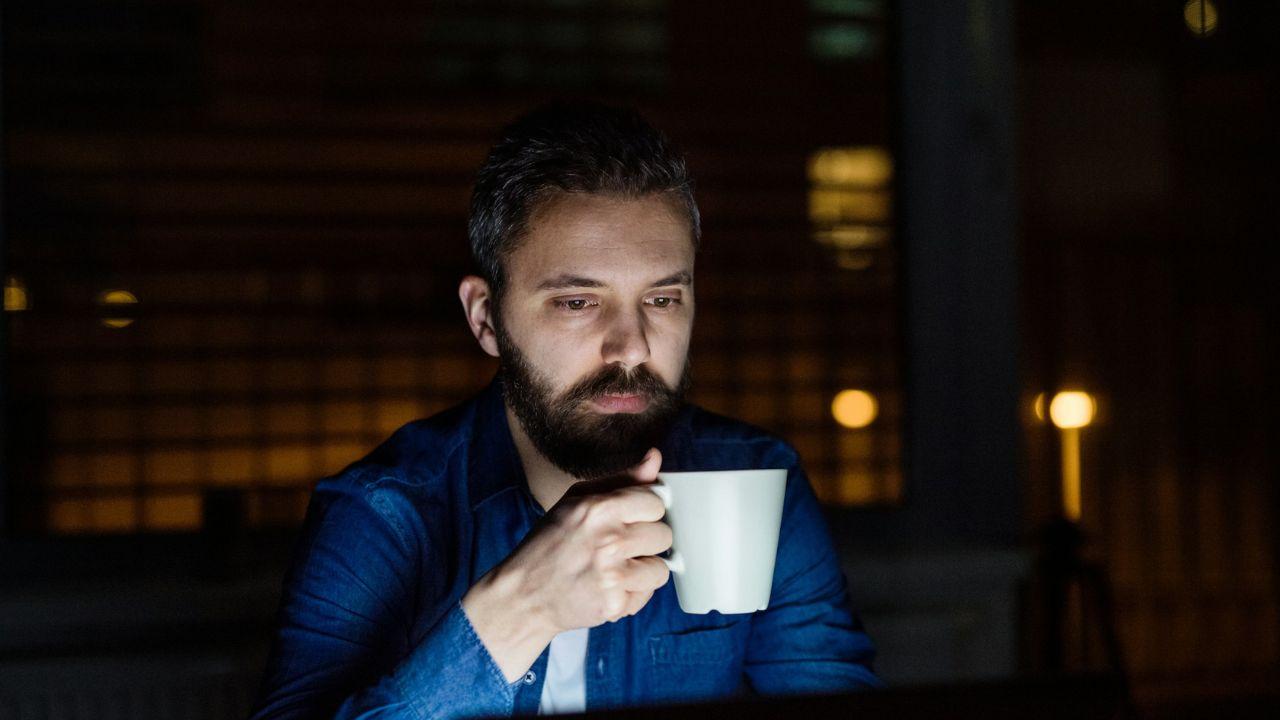
Even in a healthy dynamic he espouses a deep-rooted fear of abandonment. This insecurity often shows up as unhealthy behavior like a desire for control. This fear of losing someone if he doesn’t control them is actually rooted in his emotionally unavailable parent figure’s emotional absence from his life.
Unexpressive About His Feelings
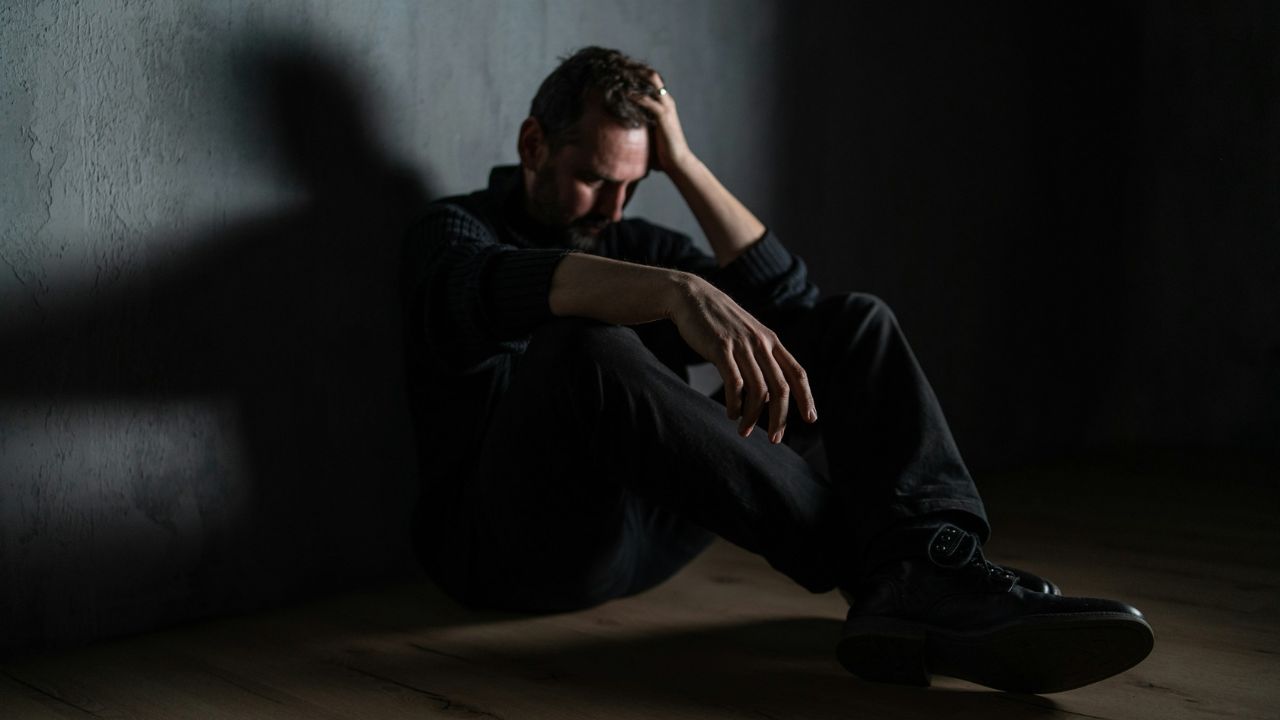
He grew up in an emotionally unsafe home, where he was never allowed a space safe to vent. He learned to internalize his emotions, and hence grew up into an emotionally unexpressive partner. He now has a hard time expressing his legitimate needs and affectionate feelings for his partner. This makes his partner feel undervalued and unseen. In conflicts, this love-deprovation shows as avoidance and silent treatment is the only escape route he takes rather than engaging in a healthy dialogue.
He Appears Emotionally Disconnected

His partner may go through a serious struggle to hold his full attention. In a serious conversation he zones out, seems uninterested or gets completely distracted. This apathy is a default reaction they developed in the love-deprived environment to cope with lack of love, to keep homself from hurting.
He Struggles with Low Self-Worth
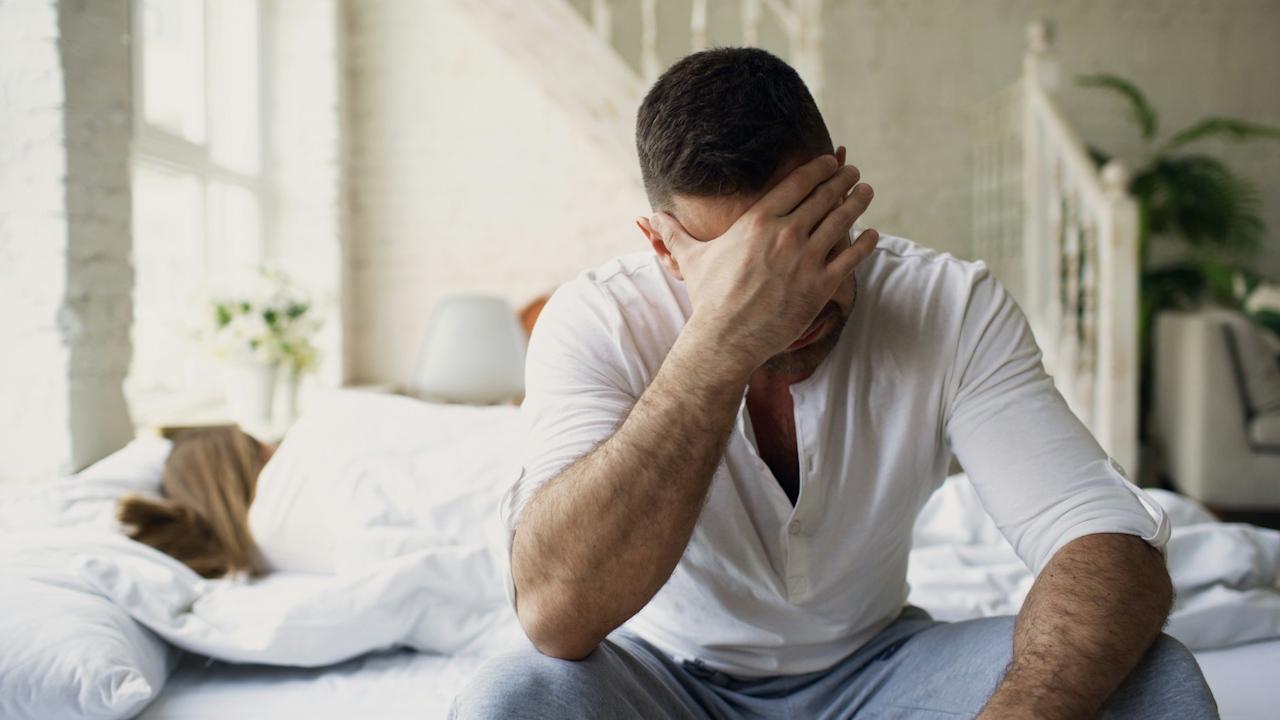
Emotional deprivation he witnesses at the hands of his very caregivers as a child ruins his emotional well-being and self-worth. Surviving on breadcrumbs made him internalize the belief that maybe he is unworthy of affection. He is gripped by an irrational constant fear of disappointing his partner. His insecurity and low self-esteem are deeply felt by his partner.
He Drives People Away When Things Get Serious
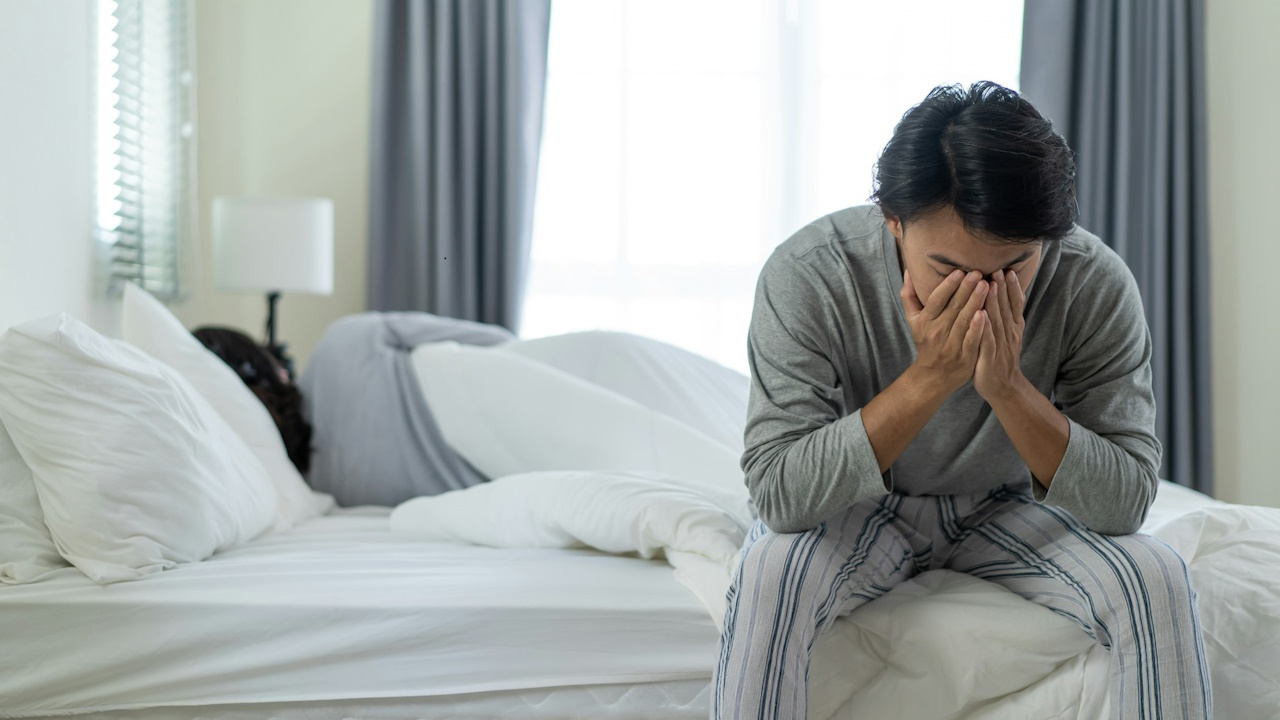
He may have a fearful avoidant attachment style the moment someone gets too close to him, he suddenly retracts. This behavior of pushing people away despite deep love originates from a deep-seated childhood fear of becoming too emotionally invested in a relationship only to have his heart broken. Emotional closeness scares him as it’s an art he never learned to navigate safely.
He’s Hyperindependent
Some men who grew up with a lack of support end up turning into hyper-independent adults. Overindependence may be a survival mechanism. To a love-deprived man, seeking emotional support or favors from others in the past only led to disappointment, so they learned to bear their emotional burden on their own.
He Gets Hurt by Even Positive Criticism

He is extremely sensitive to criticism, which may be viewed as a personal attack on his character by him; he gets defensive and aggressive in response to his partner’s honest feedback. This disproportionate reaction can be attributed to a weak emotional foundation.
He Struggles With Emotional Intimacy

He struggles with fostering emotional depth with a partner he genuinely loves. He struggles with expressing his feelings, insecurities, and personal stresses. He never received emotional openness at home growing up which made him withdraw emotionally completely from everyone.
He Yearns For Real Love But Doesn’t Know How To Receive It

It’s not like he doesn’t want to be loved, he craves love but doesn’t know how to receive it safely without getting anxious and overwhelmed by the very love they wanted so badly. They don’t know what being unconditionally loved should feel like.
He Values Loyalty

Many times a man who had been raised unloved, he gives so much value to devotion and loyalty above anything else in a relationship. Emotional deprivation can lead to an unwavering devotion he shows toward a partner once he lets someone in .
Final Thoughts
A man raised in an absence of steady love turns into a man who struggles with finding meaningful connections later in life. Not because he is incapable but because he never experienced what being loved or emotionally safe felt like. So when they fall for someone their behavior may come across as cold but deep down it’s their entire traumatic childhood emotional deprivation at the steering wheel directing his behaviors. With self-awareness and professional help these unhealthy relationship patterns can be broken and trust, communication, emotional support can grow naturally and gradually.




Leave a Reply