


Being chosen should not feel like being hired for a life role. There is a difference between a man wanting you and a man wanting the calmer, cleaner, easier life you can give him.
That difference matters because stability is not the enemy. A good marriage needs steadiness, loyalty, shared responsibility, and real-world commitment. But when a man wants the structure of marriage without the warmth, effort, curiosity, and emotional risk that love requires, the relationship starts to feel less like partnership and more like placement. You are not just asking, “Does he want marriage?” You are asking, “Does he actually want me inside it?”
He Talks About Marriage Like a Life Step
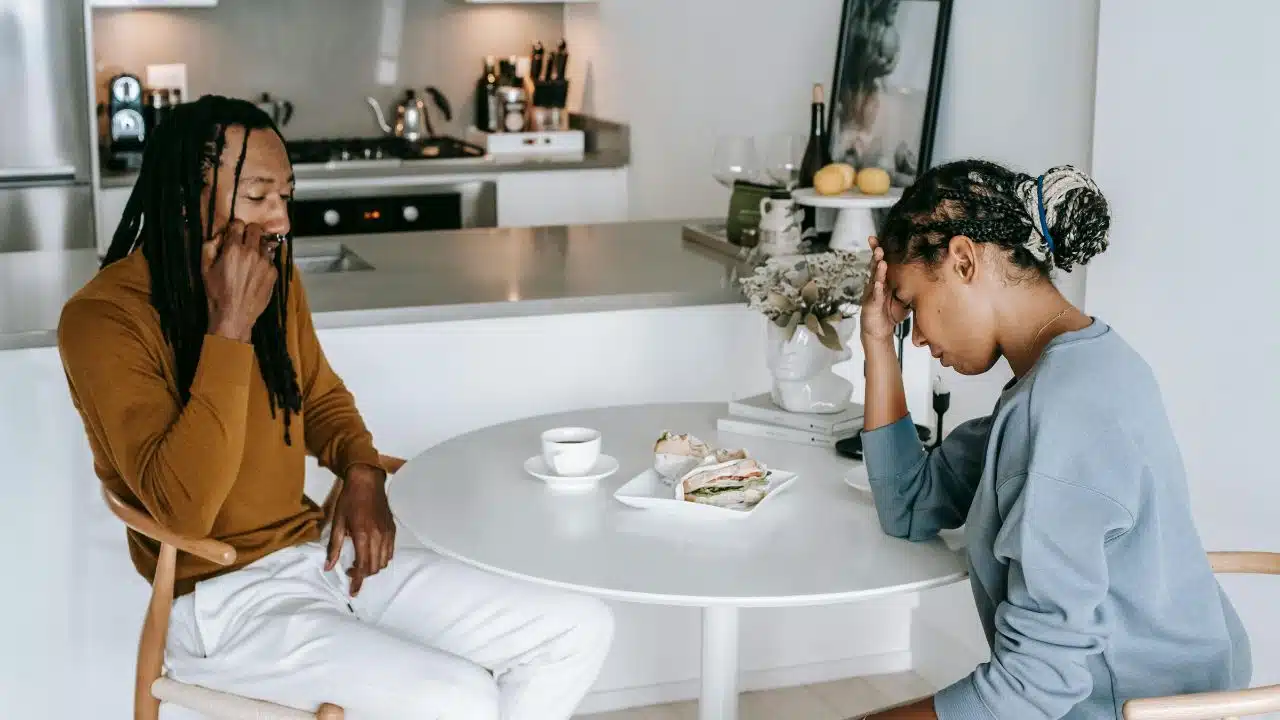
When a man talks about marriage as if it is simply the next adult milestone, pay attention. He may say he is “ready to settle down,” “done playing around,” or “at the age where it makes sense,” but very little of that language is about the woman herself. It sounds practical, mature, and responsible on the surface, but it can also reveal a checklist mindset. Marriage becomes something to achieve, like buying a house or getting promoted, instead of a decision rooted in love, desire, and deep personal choice.
He Praises What You Provide More Than Who You Are

There is nothing wrong with being valued for loyalty, responsibility, organization, or support. Those are good traits. The problem starts when those are the only things he seems to notice. If his compliments always center on how easy you make his life, how well you handle things, or how “good” you are for him, but rarely touch your humor, mind, tenderness, ambition, weirdness, or inner world, he may be attached to your usefulness more than your personhood.
He Wants Wife Benefits Without Husband-Level Effort

Some men want loyalty, patience, sex, comfort, emotional support, home-cooked stability, and a woman who makes them look settled, but they do not bring the same level of commitment back. They want the perks of a wife while still acting like a man who can opt out emotionally whenever things get inconvenient. That imbalance does not test love. It shows one person enjoying commitment’s rewards while avoiding the work of earning them.
He Plans the Household More Than the Relationship

He can talk about rent, mortgages, bills, chores, schools, schedules, and future logistics all day, but the conversation gets thin when it comes to emotional closeness. He knows what kind of house he wants, but not what kind of connection he wants to protect inside it. That is a quiet warning sign because practical planning matters, but a marriage cannot survive on calendars and bank accounts alone. Someone still has to care about how the other person feels at the end of the day.
He Likes That You Make His Life Easier

A man can genuinely appreciate how much you do for him, and that is healthy. But if his attachment grows mostly from convenience, the relationship can start to tilt in a strange direction. You become the one who remembers appointments, smooths over family tension, keeps the home moving, manages the emotional temperature, and makes his life less chaotic. The danger is not that he appreciates your help. The danger is that he may be more loyal to the comfort you create than to the woman creating it.
He Does Not Show Much Curiosity About You

Love usually comes with questions. Not an interrogation, but a real interest in what you think, what you fear, what you want, what changed your mind, what hurt you, and what still matters to you. When a man wants stability more than love, his curiosity can stay strangely shallow. He may ask about schedules, plans, dinner, money, or the kids, but not about you in a way that makes you feel known. You can live beside someone like that for years and still feel weirdly undiscovered.
His Affection Shows Up When It Benefits Him
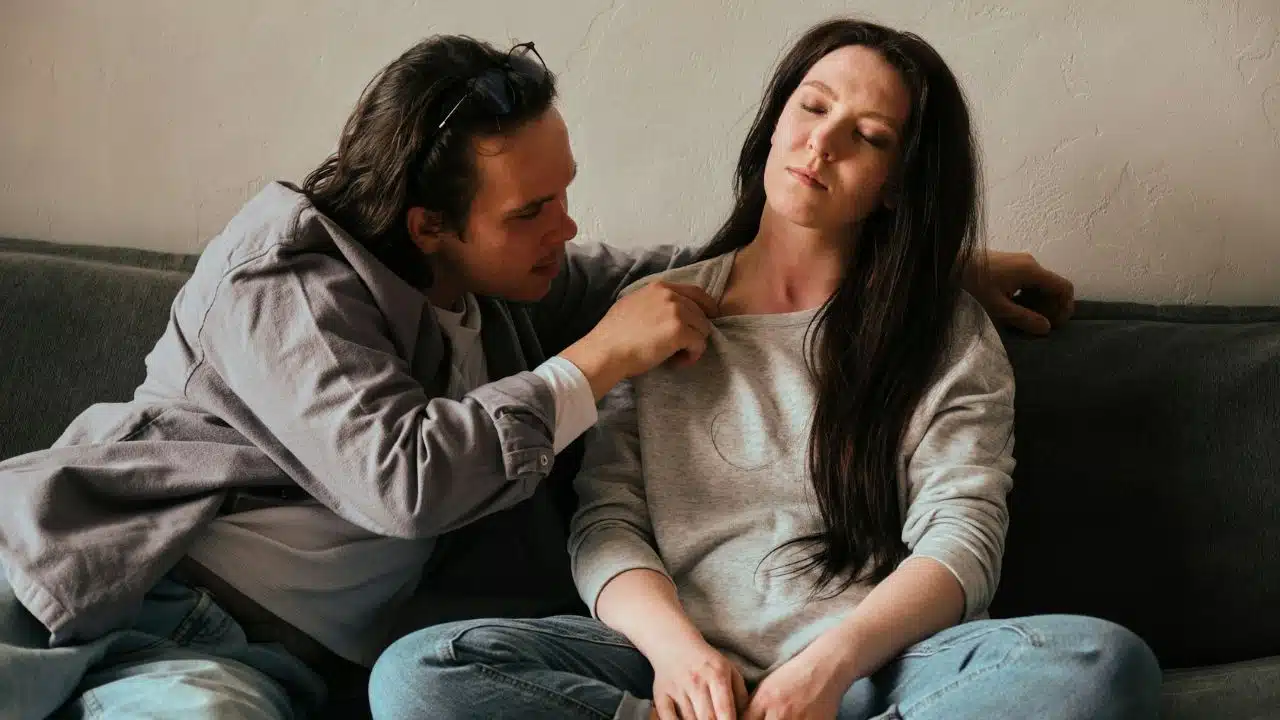
This one is uncomfortable because it’s easy to excuse. He is warm when he wants sex, peace, praise, or comfort, but distant when you need reassurance, patience, or tenderness. His affection has timing, and the timing usually serves him. Real love is not perfectly consistent because humans are tired, stressed, and flawed. But when affection only appears when it helps him get something, it stops feeling like care and starts feeling like strategy.
He Treats Your Standards Like a Problem

A man who loves you may not always understand your needs right away, but he will usually care enough to listen. A man who mainly wants stability may see your standards as interruptions to the smooth life he is trying to maintain. You ask for effort, and he calls it pressure. You ask for tenderness, and he calls it drama. You ask for fairness, and suddenly you are “never satisfied.” That reaction says a lot because love tries to understand what hurts you. Convenience wants you to stop bringing it up.
He Talks About You as Good Wife Material

“Wife material” can sound like praise, and sometimes it is meant that way. But listen closely to what he actually means. If it mostly means you cook, clean, stay loyal, avoid drama, get along with his family, look respectable, and would be a good mother, then he may be describing a role more than a relationship. Nobody wants someone to choose them like a practical résumé. Being capable is wonderful. Being reduced to capability is not.
He Wants Children More Than Partnership

Some men want fatherhood, family, and legacy more than they want a strong relationship. That creates a painful imbalance. The woman starts to feel less like a beloved partner and more like the bridge to the life he wants. Wanting children is not the issue. Wanting children while neglecting the person you expect to raise them with is where the problem begins.
He Avoids Repair After Conflict

Every couple fights, but not every couple repairs. If he wants peace more than closeness, he may prefer to let things go quiet instead of talking honestly about what happened. He moves on because the house is calm again, not because the wound has healed. That kind of man may think silence means the problem is gone. In reality, it often means one person got tired of asking for emotional accountability from someone who only wanted the tension to stop.
Romance Disappears Once Commitment Feels Secure

Some men do just enough romance to lock the relationship in, then slowly retire from the effort. The dates fade, the compliments shrink, the flirting disappears, and thoughtful gestures become something he used to do “back then.” He may not see the problem because he thinks he has already proven his commitment. But love does not stop needing expression just because the relationship has a label. If anything, marriage needs more intentional care, not less.
He Prioritizes Comfort Over Connection

He may think everything is fine because the house stays calm, they pay the bills, meals get made, the routine works, and nobody threatens to leave. Meanwhile, the emotional connection may be running on fumes. This is where a relationship can start to feel like roommates with responsibilities. He is comfortable, so he assumes the marriage is healthy. But comfort is not the same as closeness, and a quiet home can still be a lonely one.
He Likes Your Loyalty More Than Your Voice

Loyalty is beautiful when it goes both ways. It becomes something else when a man only values it because it keeps you agreeable, forgiving, quiet, and easy to manage. If he praises you for standing by him but gets irritated when you challenge him, disagree, or name what is hurting you, he may not love your loyalty in the healthy sense. He may love how convenient it makes you. A woman should not have to shrink her voice to prove her commitment.
He Gets Defensive When You Ask for Emotional Effort

A simple request for more connection can turn into a courtroom drama. Suddenly, he is listing what he pays for, how hard he works, how faithful he has been, or how much worse other men are. Those things may matter, but they do not erase the need for warmth, attention, and emotional presence. When a man acts like basic responsibility should exempt him from deeper effort, he is showing you what he believes marriage is supposed to cost him. Apparently, not much beyond the practical stuff.
He Is Proud of Providing but Poor at Partnering

Provision matters, and many men take real pride in carrying responsibility. No one should dismiss that. But paying bills, fixing problems, and being physically present cannot replace listening, affection, patience, or respect. A man can keep the lights on and still leave his partner emotionally in the dark. If his entire identity as a husband rests on what he provides, he may struggle to see that partnership also requires softness, attention, and the humility to meet someone emotionally.
He Only Notices Your Distance When It Affects Him

One of the clearest signs is how he reacts when you start pulling away. If he only notices that you cook less, initiate less, smile less, help less, or make his life less smooth, but does not seem curious about your sadness, something is off. He is not asking, “Where did I lose her?” He is asking, “Why did my comfort change?” That difference can tell you whether he misses your presence or just the services that came with it.
He Cares More About Looking Married Than Feeling Connected

Some men are very invested in the image of being settled. They like the respectability, the family photos, the approval, the social ease, and the feeling that their life looks complete from the outside. But behind closed doors, they may ignore the emotional state of the relationship as long as the public version still holds together. That is not love doing the work. That is image management. A marriage can look solid to everyone else and still feel painfully empty to the person living inside it.






Leave a Reply