


Two people can deeply care for one another and still be wrong for each other in practice. Love does not automatically create peace, compatibility, or emotional health. Sometimes a relationship is full of affection but still leaves both people more anxious, reactive, or emotionally drained than they were before. The problem is not always the absence of love, it is the way two personalities interact under pressure. Some couples love each other sincerely while constantly triggering each other’s worst habits. These signs often suggest the bond is real, but the dynamic may be bringing out the wrong version of both people.
You Are Kinder Apart Than Together

A major warning sign is noticing both people seem happier, calmer, or more pleasant when not around each other. Friends and family may comment that one or both partners appear lighter separately. Time apart feels emotionally healthier than time together. Instead of energizing one another, the relationship creates tension. A healthy bond should not regularly make both people less likeable versions of themselves. Love should not consistently reduce emotional peace. If both thrive more alone, the dynamic may be unhealthy.
Small Issues Become Major Fights Quickly

Minor frustrations somehow turn into emotionally charged arguments far too often. A simple misunderstanding can spiral into a full conflict within minutes. Neither person may intend to escalate things, yet both repeatedly do. The relationship creates heightened sensitivity and defensiveness. Instead of feeling easy, daily life feels emotionally volatile. Constant escalation suggests the dynamic triggers poor emotional regulation. Love should not make peace feel impossible over small matters.
You Feel Constantly Defensive Around Each Other

One or both partners regularly feel misunderstood, judged, or attacked during conversations. Even neutral discussions somehow feel tense. People become guarded before conflict even starts. This creates emotional exhaustion because every conversation feels like emotional armor is needed. Love becomes overshadowed by constant self-protection. Emotional safety disappears when defensiveness becomes the norm. Relationships thrive when both people can relax around each other.
You Bring Out Each Other’s Insecurities

Instead of building confidence, the relationship amplifies personal fears and insecurities. One partner may feel less attractive, less valued, or less emotionally secure than before. The other may feel constantly inadequate or criticized. Even without intentional harm, the dynamic activates emotional wounds. Over time, both people may become more fragile and reactive. Love should help heal insecurity, not intensify it. Emotional growth struggles when fear dominates the connection.
You Feel Drained After Spending Time Together

Being around each other often leaves one or both partners emotionally exhausted rather than fulfilled. Even good days may still carry emotional heaviness afterward. The relationship begins feeling more like emotional labor than connection. Constant tension or emotional management wears people down. Love should not feel like survival every day. Emotional depletion is often a sign of incompatibility, not lack of effort. Healthy love should bring more peace than fatigue.
You Stop Liking Who You Become
©www.kaboompics.com/pexels.com
A crying woman holding a tissue.
A painful sign is noticing personal behavior worsen inside the relationship. Someone may become more jealous, angry, anxious, bitter, or controlling than usual. Traits that rarely appeared before now show up constantly. This can create guilt and confusion because the person does not recognize themselves. The relationship activates patterns neither person is proud of. Love should not regularly transform someone into their worst self. The wrong dynamic often reveals the wrong version of people.
Trust Feels Hard Even Without Betrayal

Even when no serious betrayal has occurred, trust still feels difficult to maintain. One or both people constantly feel suspicious, anxious, or uncertain. Emotional unpredictability makes security difficult. Trust problems sometimes come from instability, not dishonesty. If the relationship constantly creates doubt, emotional safety weakens. Love without trust creates anxiety instead of peace. Healthy love should feel grounding, not destabilizing.
Communication Always Feels Misaligned
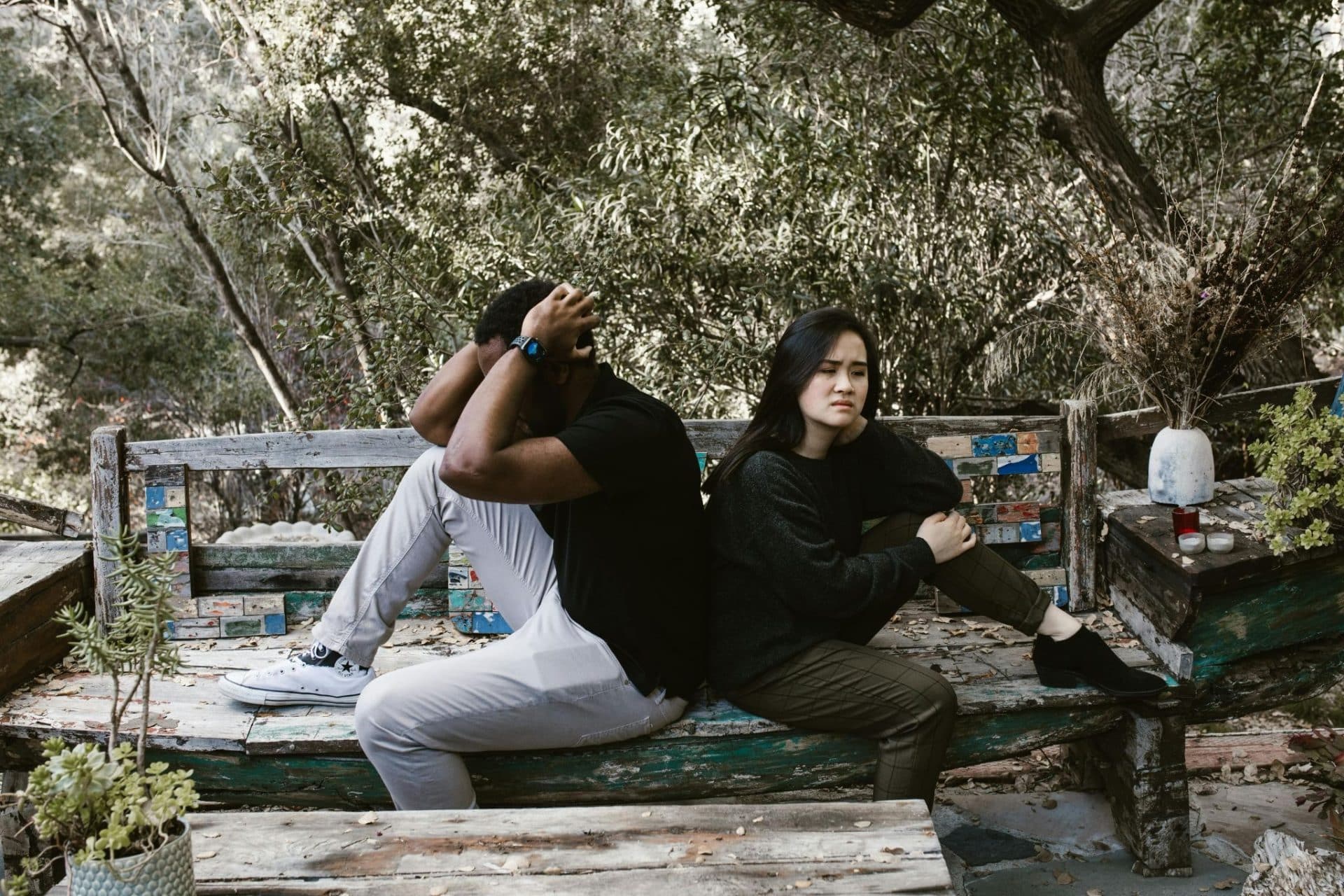
No matter how much talking happens, both still feel misunderstood. Good intentions get interpreted poorly. Simple explanations turn into arguments over tone, meaning, or assumptions. It feels like speaking different emotional languages. Both may care deeply yet struggle to connect clearly. Communication issues this persistent often reflect deeper incompatibility. Love requires understanding, not endless translation.
You Trigger Each Other’s Worst Coping Habits

One person may shut down emotionally while the other becomes more demanding. One may withdraw while the other chases harder. The more one reacts, the more the other spirals. Both people unintentionally reinforce unhealthy coping behaviors. Instead of helping one another regulate, they destabilize each other further. The relationship becomes emotionally cyclical. Love should help reduce unhealthy habits, not feed them.
You Feel More Anxious Than Secure
Love should bring excitement, but not constant emotional anxiety. If the relationship creates more stress than comfort, something is off. One or both people may constantly worry about conflict, distance, or emotional instability. Anxiety becomes part of daily interaction. The bond may feel passionate but emotionally unsafe. Chronic anxiety is not the same as chemistry. Emotional safety matters more than intensity.
Apologies Never Fully Repair Things

Arguments may end, but emotional wounds remain unresolved. Even after apologies, resentment lingers beneath the surface. The same issues keep resurfacing in slightly different forms. Repair never feels complete because trust keeps getting damaged. Both may forgive verbally while staying emotionally hurt. Without real repair, conflict compounds over time. Love struggles when healing never fully happens.
The Relationship Feels Addictive, Not Peaceful

Some couples confuse emotional intensity with deep love. High highs and low lows create emotional addiction mistaken for passion. But constant emotional chaos is not romance, it is instability. The relationship may feel impossible to leave yet exhausting to stay in. Emotional addiction often masks dysfunction. Love should feel grounding more often than consuming. Intensity alone does not equal compatibility.
Friends Notice the Change in You

Trusted people may begin pointing out negative shifts in behavior, mood, or energy. They notice increased stress, irritability, or sadness after the relationship begins. Sometimes outsiders see the emotional toll before the couple does. Feedback from loved ones can reveal unhealthy patterns. Consistent concern from others should not be ignored. Outside perspective can expose what emotional attachment hides. Loved ones often notice when someone is losing themselves.
Conflict Changes Your Personality

Arguments begin affecting identity outside the relationship. Stress carries into work, friendships, parenting, and emotional well-being. One bad interaction ruins entire days. Emotional tension spills into every area of life. The relationship begins shaping personality in unhealthy ways. Love should not consistently damage mental or emotional stability. A healthy bond should strengthen life, not disrupt it.
You Both Feel Misunderstood Constantly

Even with effort, both feel unseen and emotionally unmet. Each person believes they are trying while feeling unappreciated. This creates mutual frustration and emotional distance. Good intentions no longer feel enough. Both may love deeply but remain emotionally unsatisfied. Chronic misunderstanding creates loneliness inside the relationship. Love without emotional understanding often leads to pain.
Final Thoughts

Two people can genuinely love one another and still bring out unhealthy patterns in each other. Strong feelings do not always equal emotional alignment, maturity, or long-term compatibility. Sometimes the issue is not that love is missing, it is that the dynamic consistently harms both people despite the love present. Recognizing this truth can be painful, but necessary. Healthy relationships should bring out emotional growth, peace, and the best in both people over time. Love should strengthen character, not damage it. The right connection often feels less like chaos and more like becoming better together.









Leave a Reply