


Low maintenance is a compliment: you are independent, and don’t require constant attention. What if the thing you’re proud of is actually teaching people, and your partner in particular, that they can get away with offering you the crumbs while you offer them your best version? This trait to be content with less than you deserve, makes your partner become used to giving you the bare minimum, while you keep minimising your needs to appear happy when deep down you want to be seen.
Here are 16 signs you may have crossed that line.
When It’s Not Fine, You Say It’s Fine

You might be suppressing your feelings in order to maintain the relationship. You may have had your needs unmet, your concerns minimised and your feelings dismissed that made you become the low-maintenance person that you are.
You Don’t Ask Your Partner For Much

While independence is good, it’s not healthy to never expect or rely on your partner to never show up for you. It can make a relationship that was meant to be a shared effort, turn into a one-person show.
You Take Whatever Plans They Suggest
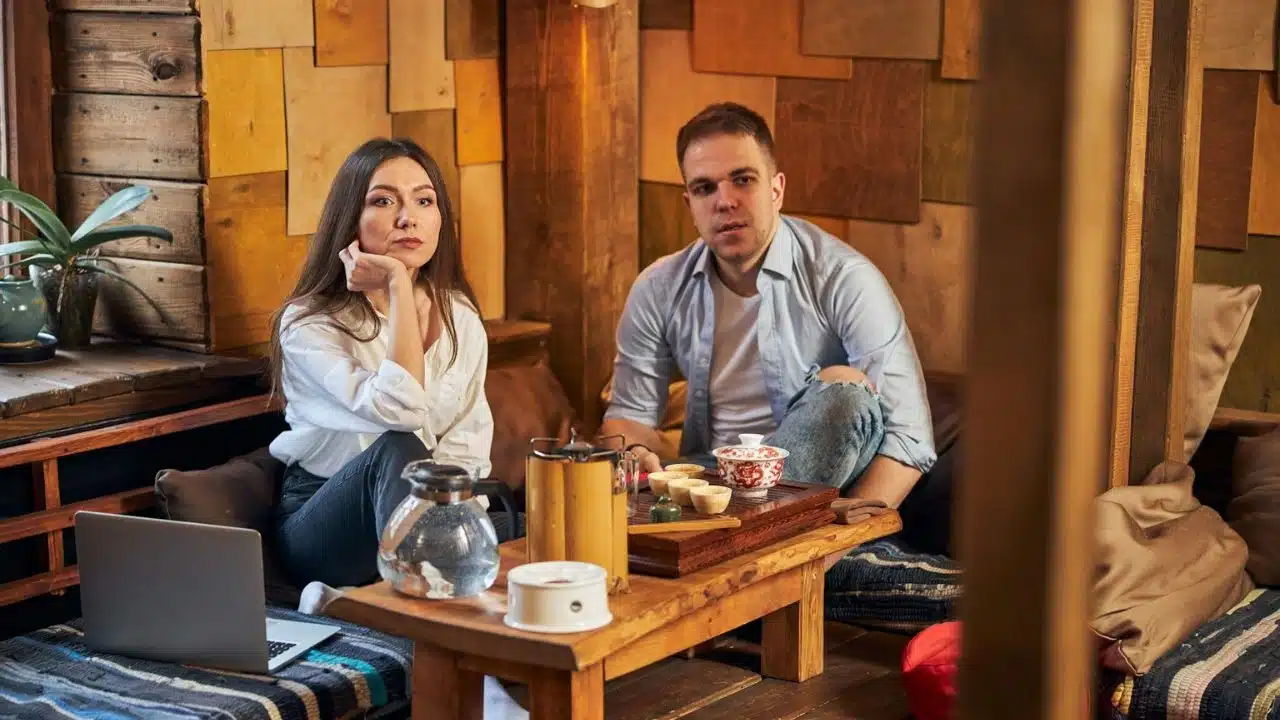
If you never tell your partner what you want, you can sound relaxed but it could be the outcome of past experiences where your requests were met with dismissal or were never entertained by them the way you wanted. So, you stopped asking to avoid heartbreak.
You Feel Guilty About Your Needs

If you feel like you’re being too demanding or too needy, whenever you ask your partner for affection, reassurance, attention, or quality time, there’s something deeper going on.
You Apologize For Wanting Basic Consideration

If you’re afraid of being an inconvenience to your partner. As sometimes, unknowingly a partner may give you an impression that your needs are just too loud. You start to shrink yourself and start every reasonable request with “Sorry, but…”.
You Don’t Bring Up Problems

If the peace is maintained because one person doesn’t want to talk about anything uncomfortable, to the detriment of your mental health, then it’s not a healthy relationship.
You Keep Lowering Your Expectations

You first wanted dates, communication, and emotional availability, then you convinced yourself that you don’t need to be attended to all the time. Maybe, it was all too much to ask for.
You Allow Your Partner To Make All The Decisions

You may have stopped asserting our preferences over time. Compromise is not about one person giving up their preferences, it’s about both people being important.
You Pretend You Don’t Care About Romance

Perhaps you want flowers, surprise dates, affectionate messages, or random romantic gestures, but you just don’t want them. Deep down you know your partner might never do this so you make your heart seek no excitement.
You Solve All The Problems By Yourself

If you are so self-reliant that you don’t need your partner, you will not be a good teammate. Hyperindependence sometimes develops as a coping mechanism when in life you were left to yourself so many times so you no longer ask for support out of fear of being rejected.
You Rarely Say No

If you say yes even when you are tired, uncomfortable, or just don’t want to do something, you might be a people-pleaser as you fear losing or upsetting people who matter to you.
You Accept Last-Minute Effort Without Saying Anything

Flexibility is sometimes a virtue, but it’s not when you’re taking bits and pieces of someone’s time and you’re not really that happy about it.
You’re Afraid That Asking For More Will Push Them Away

This is one of the largest red flags: When keeping the relationship somehow becomes more significant to you than openly communicating and establishing emotional safety within the relationship to be able to express what you truly need.
You Feel Resentful, But You Don’t Let It Bother You

Repressed disappointment does not go away; it may become a silent resentment that will alter your perception of your partner.
Your Partner Thinks You “Never Need Anything”

It may seem like you’re a very easy person to please, but when you realize that your partner no longer or never really cared about what makes you happy, then it’s not even a compliment anymore.
Final Thoughts

Low maintenance, and independence, are not bad things. The issue starts when “I don’t need much” translates to “I’m afraid to ask for more.”
A healthy relationship doesn’t involve being demanding or constantly challenging your partner. It asks you to be honest about what you feel loved, respected, considered and secure by.
The uncomfortable part is that the right person will never ask you to lose yourself to maintain peace.









Leave a Reply