


Love builds slowly and almost invisibly through small everyday interactions. A simple glance, a random question or a quiet “listen to this” may seem ordinary but these moments are actually invitations to connect like a way of saying, “be here with me.” Psychologist John Gottman discovered that what truly separates lasting relationships from those that fade isn’t grand gestures but how partners respond to these small bids for connection. When someone consistently turns toward these moments by responding and being present they create trust, safety and emotional closeness over time. On the other hand when these moments are ignored or brushed aside the connection doesn’t break instantly but it begins to weaken quietly as one person starts to feel unseen and eventually stops reaching out. In this way love is not something sustained by big promises but by repeated and gentle choices to show up for each other in the smallest ways again and again.
Defining the “Bid for Connection”

A bid for connection is any small attempt to reach out. It can be a sentence, a look, a joke or even silence filled with meaning. Sometimes it sounds like, “Guess what happened today,” or “Look at this sky.” and other times it’s less obvious like a sigh or a quiet mood shift. At its core a bid is a question without being asked directly: “Do you see me? Do you care enough to respond?” These bids happen all the time in relationships. Most of them are small but they matter deeply because they are how emotional connections are built in everyday life.
The Three Responses: Toward, Against, or Away

Every bid gets a response even if it’s not intentional. If a person turns toward it it means they engage and respond with interest. If they turn away it means they ignore or miss the moment. Or they can turn against it byresponding with irritation, sarcasm or dismissal.
These responses might feel minor in isolation but over time they form patterns. A relationship where bids are met with warmth feels safe. One where bids are ignored or rejected begins to feel distant even if nothing dramatic has happened.
The Power Of Micro-Moments

Relationships are shaped in micro-moments like small quick interactions that fill daily life. These are the seconds where you choose to listen or not to respond or stay distracted.
Individually they seem insignificant but together they create the emotional tone of the relationship. A few seconds of attention can make someone feel valued. Repeated lack of attention can make someone feel invisible. Over time these micro-moments quietly define the relationship more than any big event.
Building The Emotional Bank Account
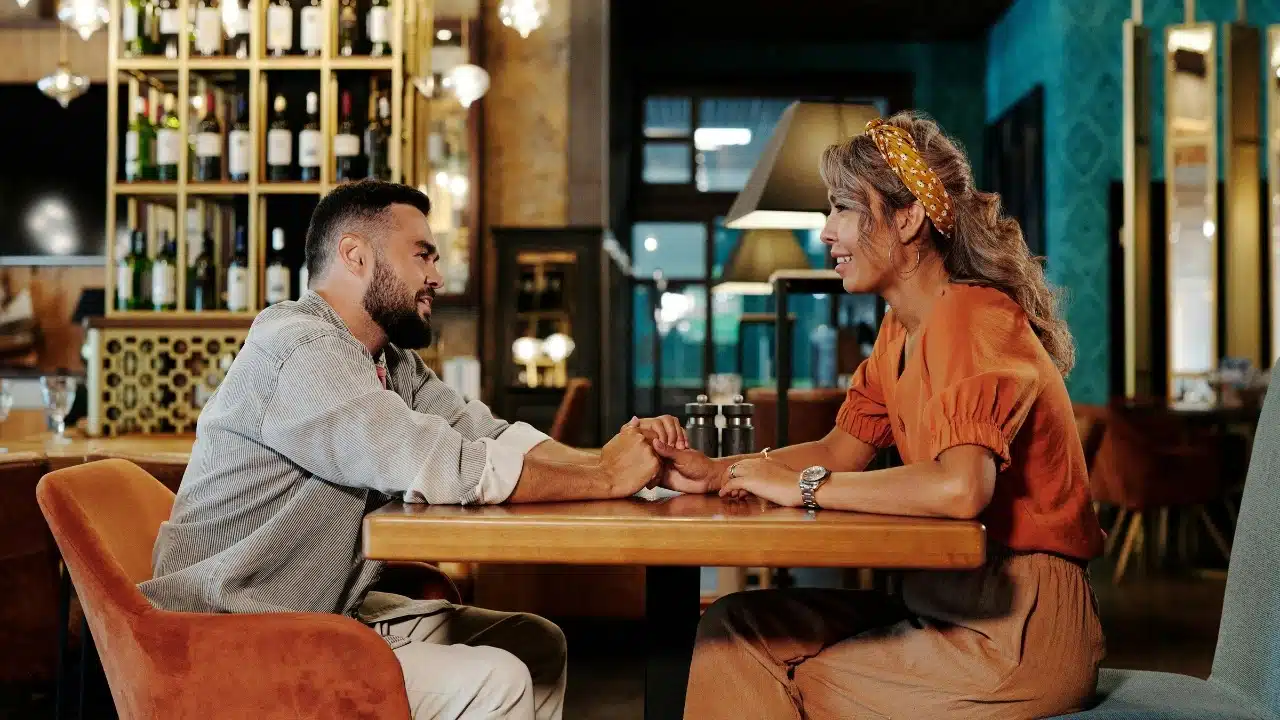
You can think of every positive response as a small deposit into an emotional bank account. Every time you turn toward your partner you add trust, warmth and safety. When misunderstandings or conflicts happen and they always do we know then this emotional balance helps protect the relationship. If the account is full the relationship can handle stress. If it’s empty even small issues feel overwhelming. The strength of a relationship often depends on how many of these small deposits have been made over time.
The Science Of The “Master” vs The “Disaster”

John Gottman described couples who succeed as “masters” and those who struggle as “disasters.” The difference is not that masters never argue or face problems. It’s that they consistently turn toward each other in daily life. Masters responds to bids most of the time. Disasters often miss them or respond negatively. This difference may seem small but over months and years it creates two completely different relationship experiences one connected the other distant.
Why Turning Away Is More Damaging Than Fighting

Many people think conflict is the biggest threat to love but often it’s not the arguments that break a relationship it’s the quiet disconnection. Turning away sends a subtle message: “You are not important right now.” When this happens repeatedly it creates emotional distance. Fighting at least still shows engagement. Ignoring makes one or both people stop trying altogether.
Vulnerability In Small Packages

Bids for connection may look casual, but they often carry vulnerability. When someone shares a thought, a feeling or even a joke they are opening a small part of themselves.
Responding with care protects that vulnerability. Ignoring or dismissing it can make someone withdraw. Over time people stop sharing not because they don’t care but because they no longer feel safe doing so.
The Role Of Technology And Distraction

Modern life makes turning away easier than ever. Phones, notifications and constant distractions pull attention away from real moments. Sometimes people don’t ignore bids intentionally they just don’t notice them but the impact is the same. A partner who feels consistently overlooked may begin to feel unimportant. Being present even briefly becomes one of the most meaningful acts of love in a distracted world.
Turning Toward During Conflict

Turning toward is not only for happy moments. It matters even more during conflict. It means listening instead of shutting down, responding calmly instead of reacting harshly and trying to understand instead of trying to win. Even small efforts during arguments like acknowledging feelings or softening your tone can prevent distance from growing. It shows that connection still matters even when things are not easy.
The Compound Interest Of Affection

Just like money grows with consistent deposits affection grows through repeated small actions. One kind response may not seem like much but over time it builds something strong and lasting. This is the compound effect of love. Small and consistent care turns into deep trust.
Recognizing Your Partner’s Unique “Bid Language”

Some people use words while others use humor, silence or even indirect signals. Understanding your partner’s “bid language” means learning how they express their need for connection. It requires attention and patience but once you recognize these patterns responding becomes easier and more meaningful.
Developing The Habit Of Curiosity

Curiosity keeps the connection alive. Instead of assuming or ignoring it invites you to ask, “What do they mean? What are they feeling?” This mindset shifts relationships from routine to a state of discovery. When you stay curious about your partner even in small moments you keep the connection fresh and engaged.
The Impact On Physical Health

Emotional connection does not just affect feelings it also affects the body. Feeling seen, heard and supported reduces stress and promotes overall well being. On the other hand emotional neglect can increase stress and tension over time. Healthy relationships built on consistent effort often lead to better mental and physical health for both partners.
Forgiving The Missed Bids

No one responds all the time perfectly. There will always be missed moments. The key is not perfection but awareness and repair. Acknowledging missed bids and making an effort to reconnect can restore trust. Forgiveness allows the relationship to move forward instead of holding onto small disappointments.
Active Responsiveness As A Lifestyle

Turning toward is not just a relationship skill but it becomes a way of living. It means being attentive, present and responsive not only with a partner but with people in general. Over time it becomes natural. You begin to notice more, listen better and respond with care. This habit strengthens not just romantic relationships but all forms of connection.
Final Thoughts

Love isn’t sustained by big, dramatic moments but by small everyday choices to notice, respond and be present. It grows through repeated and quiet interactions where one person reaches out and the other meets them with care. Over time these moments build trust, safety and a deep sense of being seen turning simple presence into lasting love.










Leave a Reply