


A man’s silence is never without a reason it is usually full of thoughts, pressure, emotions and random things they have never found the right place or moment to say. You may notice that from the outside it looks like they don’t care or they’re just “chill,” but inside it’s often a mix of overthinking, responsibility and things they’ve been carrying for a long time. The truth is many men don’t stay silent because they want to. They stay silent because somewhere along the way they learned it was easier, safer or more acceptable than speaking.
They Were Taught to “Be Strong”

A lot of it starts in childhood when they hear things like “don’t cry” or “be tough,” and slowly they understand that showing emotion isn’t something they’re supposed to do and it will make them weak so instead of learning how to express feelings or regulate them properly they learn how to hide them. As they grow older that habit stays even when they want to open up it feels unfamiliar almost like breaking a rule they’ve followed their whole life.
Vulnerability Feels Like Weakness

It’s not that men don’t want to be vulnerable but the way society has conditioned them makes vulnerability feel like a risk. As opening up means showing parts of yourself that aren’t polished or controlled so when you’re used to being seen as “the strong one,” that can feel uncomfortable in the end they keep things inside not because they don’t trust people but because they don’t fully trust what will happen if they let those walls down.
Fear Of Being Judged

There’s always that quiet thought in the back of the mind: “What if they see me differently after this?” That fear alone can stop someone from speaking even if the people around them are kind but that internal hesitation still exists. It’s not always about others but it’s about how deeply that fear has settled inside.
No Emotional Vocabulary

A lot of men were never taught how to name what they feel. They might sense emotional pain, stress or emptiness, but cannot clearly define it or pinpoint the exact reason. When emotions are unclear expressing them becomes difficult. Asking for help requires words and when those words are missing then silence becomes the only language they know how to use.
Pressure To Be The Provider

Many men grow up with the belief that their value lies in being strong, stable and reliable for others. They feel responsible not only for themselves but for the emotional and financial security of people around them because of this they often suppress their own struggles believing that showing weakness would mean failing their role as a protector or provider.
Past Rejection Of Their Emotions

Sometimes silence is not learned from society alone but from personal experience. A man may have once opened up and been ignored, laughed at or being told to “man up.” That moment can leave a lasting emotional imprint and may be after that he decided that it’s safer to never open up again even if the need for support still exists inside him.
Fear Of Burdening Others

Many men carry a quiet belief that their problems are “too much” for others. They don’t want to overwhelm friends, family or partners with their emotions so instead of sharing their struggles they keep them inside. This creates a cycle where they suffer alone not because they want to but because they think it is the responsible thing to do.
Emotional Independence Is Overvalued

Independence is often praised as a strength but when taken to extremes it becomes emotional isolation. Many men are taught that relying on others is a weakness so they push themselves to solve everything alone. After sometimes this creates a mindset where needing support feels uncomfortable or even wrong.
They Don’t Want To Lose Respect

Respect plays a huge role in how many men view themselves. There is often a fear that if they show emotional vulnerability then others will see them differently so to protect their image they hide their struggles. Even when they are overwhelmed inside they try to maintain control on the outside so they don’t lose the respect they value.
No Safe Space To Open Up

Opening up requires emotional safety and if a man does not have someone who listens without interrupting, judging or minimizing his feelings he gradually stops trying. Over time silence becomes the default not because he doesn’t want to speak but because he has not found a space where speaking feels safe.
They Learn To Distract Instead Of Process

Many men learn to avoid their issues through distraction instead of sitting with them. Work, entertainment, gaming, scrolling,staying constantly busy or even smoking becomes a way to escape internal discomfort. These distractions don’t heal the emotion they only delay it but delay slowly becomes a habit.
They Confuse Silence With Strength
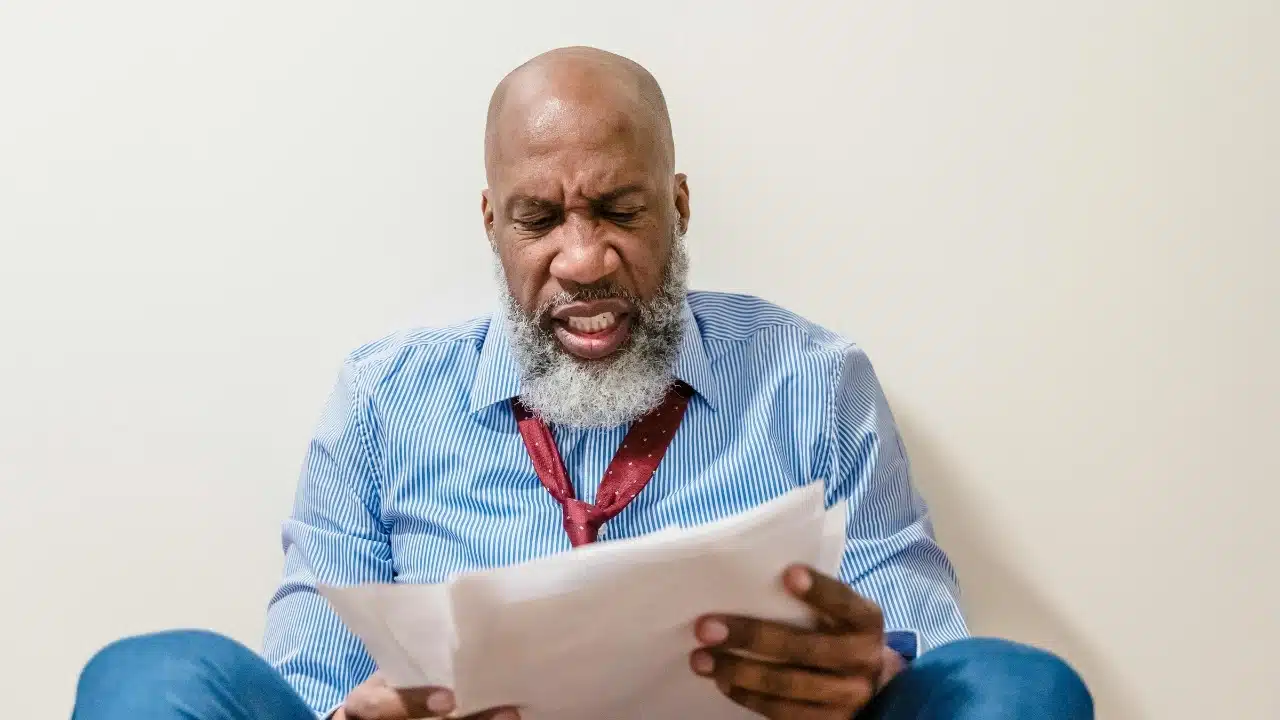
At some point silence starts to feel like control. Many men begin to believe that not talking about problems means they are handling them well. They associate emotional suppression with maturity but in reality emotions don’t disappear when ignored they just stay unspoken building quietly underneath.
Fear Of Losing Emotional Control

Some men think that opening up means opening a door they might not be able to close. Emotions can feel overwhelming once they surface especially if they have been suppressed for a long time because of this fear of emotional overflow they avoid starting the process entirely.
Lack Of Emotional Role Models

Many men never grow up seeing other men express emotions in healthy ways. If vulnerability was never modeled in their environment it feels unfamiliar and unsafe and without examples emotional expression becomes something they do not know how to navigate even when they want to.
They Don’t Believe Anyone Will Understand

At the deepest level some men carry the belief that their emotions are too complex or too personal to be understood. They assume that even if they try to explain others will not truly get it so instead of risking disappointment or misunderstanding they remain silent.
Final Thoughts

Men do not stay silent because they feel less they stay silent because they have often learned that feeling deeply does not always lead to being understood. Their silence is not emptiness but it is just accumulated emotions without a safe place to land and beneath that silence is often a very simple human need: to be heard without judgment, to be seen without performance and to be allowed to feel without losing their worth in the process.










Leave a Reply